


From the heartlands to downtown, Tang Tea House brings halal dim sum to more diners
The chain opens its fifth outlet in Marina Square, with a sixth to come in Tampines
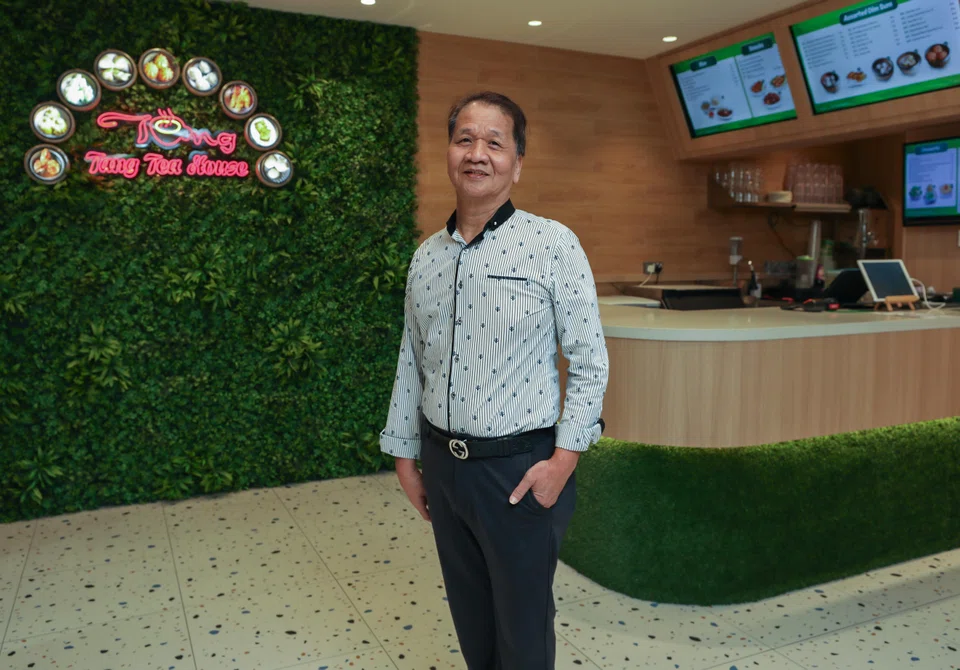
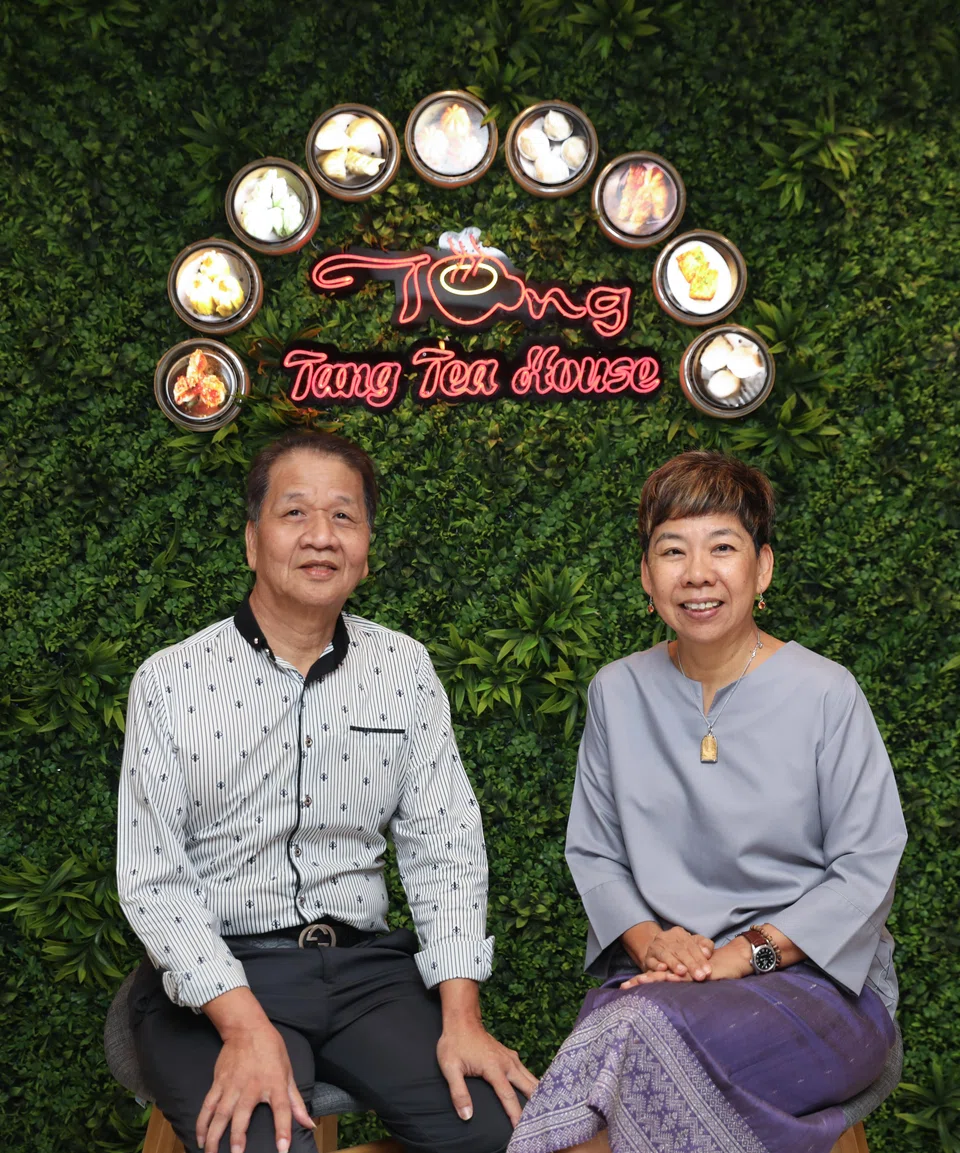
SET up two decades ago to bring dim sum to Muslim diners, Tang Tea House continues to reach out to new customers – most recently, with its first outlet in a shopping mall.
Opened on Jan 20, the outlet in Marina Square aims to reach younger diners, who do not frequent Tang Tea House’s heartland outlets as often, said founder Johnny Tan.
“In all our other outlets, you will see only families, or our regulars who are all past 60, maybe even 70 years old,” he said. “Our food can and should be enjoyed by everyone.”
The 20-year-old business prides itself on its halal-certified Chinese cuisine, particularly dim sum, to cater to Muslim diners. One of its most popular dishes is the steamed “golden sand” bun with salted egg yolk filling – some 10,000 are sold each month.
Following the business’ first outlet in Simpang Bedok in 2005, Tan opened up three others in Jalan Kayu, Jurong West and Changi Village, together with co-founder, Sylvia Ler.
Not content to stop there, he looked for a chance to open an outlet in a mall – and the chance came last December.
A tenant in Marina Square was looking for another business to take over the unit’s remaining half-year lease.
Tang Tea House stepped in, and extended the lease to three and a half years.
This year, the restaurant chain plans to open its sixth outlet in Tampines. In the long run, it aims to make its delicacies available through retail spaces as well.
Halal Chinese cuisine
Back in 2005, halal Chinese cuisine was “not well-executed”, recalled Tan. Many of his Muslim friends complained that they could not find halal dim sum that tasted similar to authentic versions.
This drove him to start Tang Tea House – a halal zi char restaurant that added dim sum to its menu.
The move proved successful, with tables filled within moments of the restaurant opening each morning. Early diners aside, the Simpang Bedok neighbourhood’s strong supper culture also boosted sales, said Tan.
For lunch, the diner had 30 tables of four pax each. In the evenings, it increased its seating capacity to 100 tables to meet the larger demand.
“Back then, I barely slept. The opening hours were from 9 am to 5 am the next morning because people would keep coming.”
The central kitchen
Tang Tea House opened a second outlet at Jalan Kayu in 2013 – then swiftly realised that it needed a central kitchen.
Running two outlets meant having to produce large quantities of food while maintaining quality.
A central kitchen provides such scalability and consistency, said chief operations officer (COO) Sharonne Tan, Johnny Tan’s sister.
Many customers visit multiple outlets on different occasions, and expect the same dining experience at all the stores, she added.
Tang Tea House thus invested nearly S$1 million in a central kitchen in Bedok, a 2,000-square-foot space equipped with machinery, some imported from Japan.
The central kitchen focuses on making dim sum – which is heated up and plated in the outlets – and sauces such as its signature XO sauce that goes into the restaurant’s XO fried rice.
The delivery boom
By 2019, food delivery mobile applications had begun to take off in Singapore. Tang Tea House saw the opportunity to reach out to a younger generation of tech-savvy diners.
But the idea did not take off right away. At the end of 2019, sales via food delivery apps remained low, contributing to only 1 per cent of total revenue.
Instead of being discouraged, this modest start propelled the team to gear up for possible busy periods in the future, said the COO. “We installed a point-of-sale system, so that when orders come in, they would immediately go into our restaurant system, and the food is prepared within 10 minutes.”
These efforts did not go to waste. When the Covid-19 pandemic hit and food-delivery orders hit an all-time high, Tang Tea House was ready to fulfil those orders.
Today, food delivery contributes to 40 per cent of the company’s revenue, courtesy of the more than 500 GrabFood orders daily.
In June 2024, the restaurant was approached by Grab to become an exclusive partner.
This meant Tang Tea House would no longer use rival food-delivery platforms such as Foodpanda, but would get marketing benefits such as a higher placement on GrabFood’s listings.
The choice was not a difficult one, said Sharonne, as GrabFood already accounted for about 80 per cent of delivery revenue. In December 2024, GrabFood sales brought in around S$600,000.
Overall, the company’s revenue has grown by slightly more than 40 per cent since 2019, with a current annual run rate of about S$17 million.
The business has been turning a profit of around S$1.32 million in each of the past two years.
The idea of Tang Tea House making its food available through retail is compelling, but would require changes to the company’s operations, said the siblings; they reckon a change like this would take more than four years to happen.
The question of succession in the business looms. The siblings are in their late 60s, but their respective children are not keen to join the business.
The duo hope to find a like-minded individual who can take the brand forward in the next five years, sustaining its commitment to halal Chinese cuisine. “We are looking for someone who can preserve our name and develop it further,” Johnny added.






