Home-Fix to be wound up as Covid-19 dashes plans of revival
Hardware firm unable to offer home repairs, training courses due to circuit breaker; online sales not enough to sustain it

Tay Peck Gek
Singapore
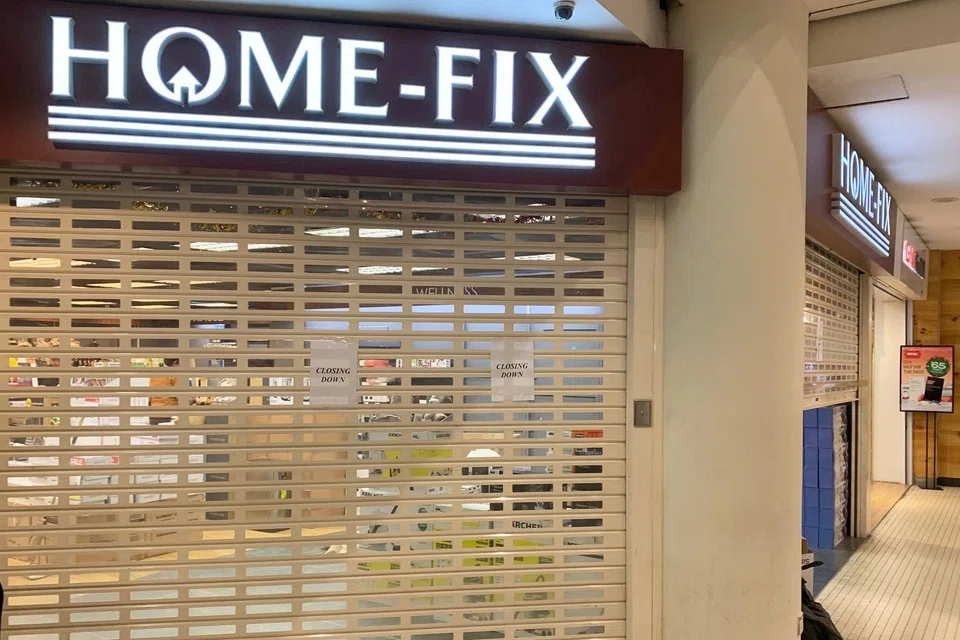
HARDWARE firm Home-Fix, which was forced to shutter all its retail stores in Singapore last December amid financial woes, will now be wound up for good, despite six months of debt restructuring and plans to revive itself in a different form.
It had its application to wind up - filed by its judicial manager - approved in a hearing at the High Court on Friday.
The Business Times understands that the coronavirus pandemic put paid to Home-Fix's plans to revive itself by tapping other services it offers, including home repairs, training courses and e-commerce. When the first two could not operate eventually due to the circuit-breaker period, sales from the online retail store were insufficient to sustain the company.
Talks with three potential investors also failed to make headway because of the coronavirus crisis.
Home-Fix had undergone interim judicial management last December while facing some S$19.8 million in liabilities on its books. BT understands that the debt has been pared down, though with Home-Fix now to be liquidated, its creditors may stand to receive nothing. There are apparently more than 200 creditors on record, including suppliers and landlords.
In applying for judicial management in January, Home-Fix's lawyers from Tan Kok Quan Partnership had sought to show that the business had the potential to be revived. Failing that, restructuring the company would also help to achieve a better realisation of the company's assets than if it were wound up.
The lawyers had said that in the event of a liquidation, creditors would receive only five cents on the dollar, excluding the cost of liquidating the company. Accounting for the liquidation cost, creditors would receive nothing.
The firm already moved out of its rented Tai Seng headquarters and held a sale to raise funds.
Home-Fix founder Low Cheong Kee's woes do not end here. He was adjudged bankrupt on June 15, after the Supreme Court granted his creditor Nippon Paint (Singapore) Company's application over a judgement debt of S$500,000.
But his younger brother Cheong Yew managed to get an interim order on Tuesday to propose a voluntary arrangement, which aims to persuade the creditors to accept a settlement of debts instead of pursuing bankruptcy proceedings.
The Low brothers faced bankruptcy proceedings from vendor Nippon Paint (Singapore) after having failed to make payment for goods worth more than S$550,000 supplied to Home-Fix. They had each given personal guarantee for the stocks but did not honour their obligations. They were subsequently sued for not fulfilling the guarantee.
The Supreme Court issued a bankruptcy order against the elder Mr Low last week. There was a notice in BT on Thursday by the private trustee of Mr Low's estate, who administers his affairs while he is bankrupt. The notice informed debtors and creditors of Mr Low to contact the trustee by Oct 26.
Meanwhile, his younger brother has been granted a moratorium to put forward a proposal to creditors on settling the debts. If the creditors approve the proposal and he fulfils his obligations under the voluntary arrangement, the debt is considered settled.
If the younger Mr Low fails to comply with the voluntary arrangement, he may still face bankruptcy proceedings from the creditors. Besides Nippon Paint, there are other creditors with whom the Low brothers have furnished personal guarantees, BT understands.
The younger Mr Low declined comment through his lawyer.
With Home-Fix now to be liquidated, its creditors may stand to receive nothing.