


Making scents accessible and affordable
After bringing their business back from the brink of bankruptcy, the co-owners of fragrance brand Pristine are now branching into laundry detergent

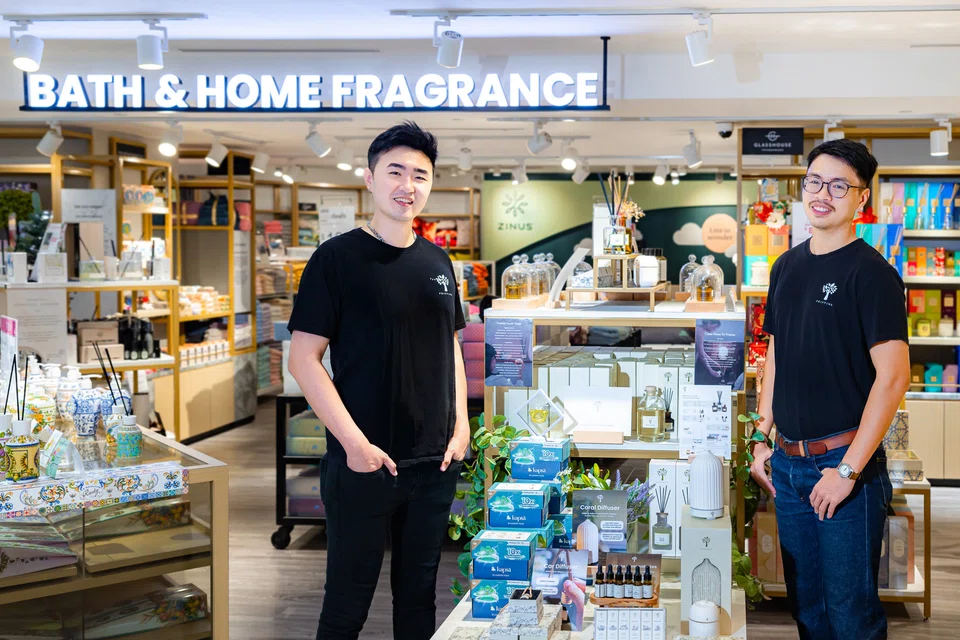
[SINGAPORE] Since starting out with online sales in 2019, fragrance brand Pristine now stocks its scented home products – from reed diffusers to scented candles – at more than 15 physical locations in Singapore, and 30 in Kuala Lumpur.
A combination of offline experience and online virality helped to kick-start its recovery from a brush with bankruptcy in 2022, with the business now in the black.
For the next driver of growth, co-owners Edison Lim and Lincoln Thong of parent company Cool Brands are banking on a more fundamental household item: laundry detergent.
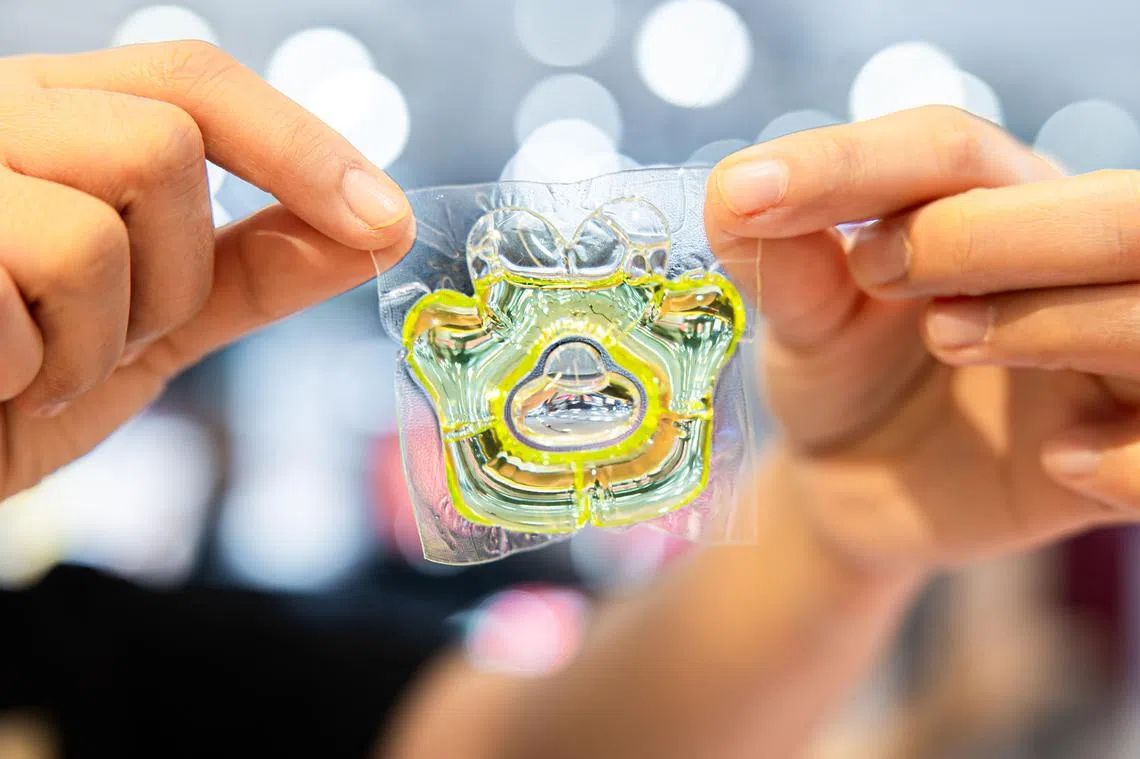
In May 2024, they launched scented laundry detergent pods under the Kapsa brand.
“Home fragrance is quite niche – not everyone uses it,” said Lim. “But everyone needs to wash their clothes.”
Side hustle start
In 2019, he noticed an unexplored market: affordable, accessible home fragrance scents. “At that time, most home fragrance brands in the market were high-end,” he said.
International fragrance houses sold reed diffusers that could cost more than S$150 each. For more affordable options, there were just one or two home fragrance sellers on e-commerce platform Shopee, where Lim worked in business development.
So he set out to create his own. After visiting a trade fair in China and speaking to manufacturers, he experimented with different scents to create his first product: a 50 ml reed diffuser, with a scent inspired by luxurious hotel interiors.
The product was designed for compact spaces, as homes in South-east Asia tend to be smaller than those in the West, he explained.
He launched 10 scents for Pristine’s first range of reed diffusers, selling them on Shopee and Lazada.
Pristine was officially incorporated in April 2019 but remained a side hustle for him, even after he left Shopee to join German cosmetics company Dr Wolff.
Spike and slump
In 2020, Thong joined the business, but kept his day job at a software firm. Pristine also opened its own online store – and Covid-19 provided an unexpected boost.
Consumers kept at home by pandemic curbs started splurging on home accessories to enhance their living environments, driving the brand’s online sales, said Lim.
Pristine later expanded its product range to include reed diffusers in bigger bottles, candles, room sprays and water-based essential oils. It also managed to get its fragrances stocked at offline locations: BHG’s Bugis branch, and Metro’s Paragon and Woodlands outlets.
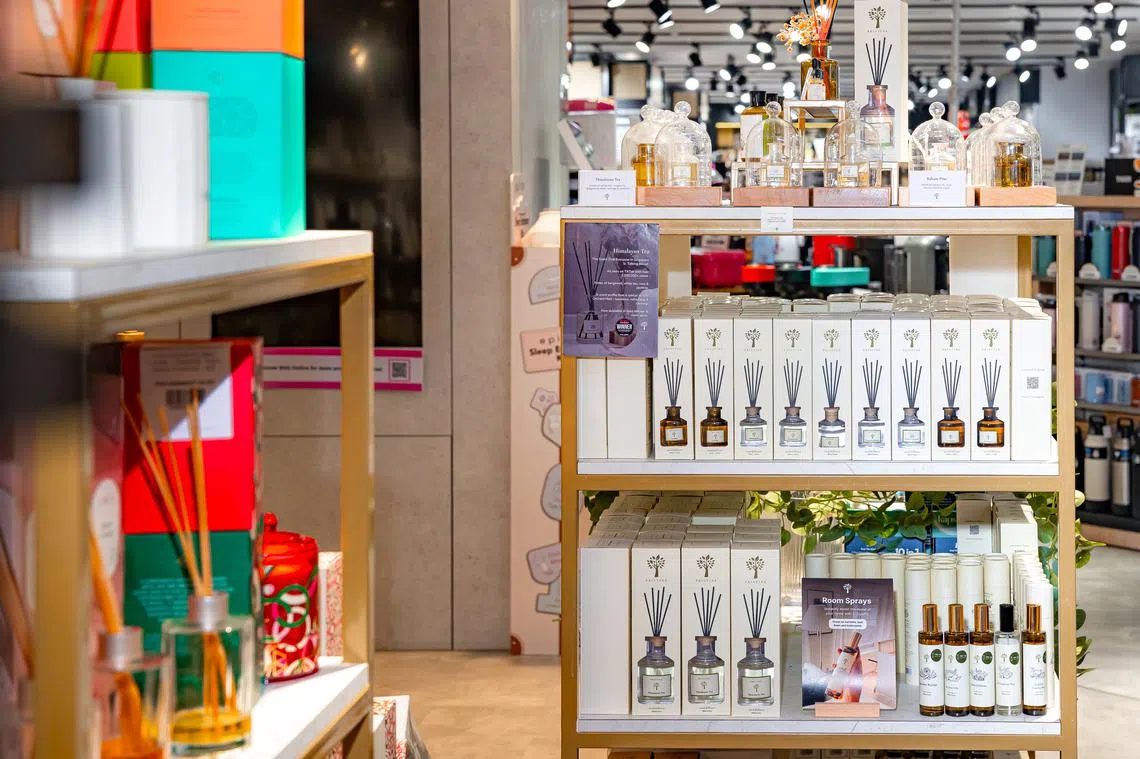
In February 2021, Pristine began shipping to Malaysia, where it also set up a subsidiary. Shortly after, it started shipping to the US and Canada through Amazon. Fuelled by the boom in e-commerce, sales trebled year on year (yoy) to reach S$1.5 million in 2021.
But when the pandemic eased, so did growth. In 2022, sales fell 50 per cent during major e-commerce shopping events such as Singles’ Day.
“Buying sentiment for home and living products dropped. People were out and about and spending less on online shopping, but more on travelling,” said Thong.
In response to the slowdown, both he and Lim left their jobs in March 2022 to focus on Pristine full-time.
“It was around this time that we started to sense that the company was facing a bit of distress,” said Lim. As cash flow was tight, the duo stopped drawing salaries.
Faced with the prospect of bankruptcy, they decided to expand heavily into offline retail by participating in pop-ups at malls and boutique fairs.
While that “did not do much” to lift overall sales, one event in late 2022 led to a breakthrough.
“At our booth at 313@somerset, a customer commented that one of our scents – the Himalayan Tea blend – smelled like Ion Orchard,” recounted Thong.
“I went down to the mall and realised that (it) did smell like our scent, which we developed earlier in 2020.”
Capitalising on this coincidence, the duo swiftly created a TikTok video featuring Pristine’s Himalayan Tea scent reed diffuser, which they likened to Ion Orchard’s signature scent.
The video went viral immediately, boosting sales of the product across all online platforms.
In the following months, Lim and Thong engaged content creators on the new TikTok Shop platform to promote their products, and doubled down on paid advertising on social media.
While working to lift sales, they also took aggressive cost-cutting measures, such as engaging more cost-efficient freight forwarders and consolidating warehouse space.
These efforts turned Pristine profitable by April 2023, helping it recover from the previous year’s net loss of S$300,000. In FY2024, sales grew 50 per cent yoy.
Today, its stockists include department stores Metro, BHG, Isetan, OG and Yue Hwa; the Singapore Botanic Gardens’ three gift shops; and all the Discover Singapore gift shops across Changi Airport’s terminals.
In Malaysia, its products can be found in department stores Parkson, Sogo and Seibu, and at furniture retailer Majuhome.
While the bulk of Pristine’s sales are to individuals, corporate orders from businesses such as banks and hospitality players contribute about 5 per cent of sales.
Keeping clothes fresh and clean
Lim and Thong see Pristine as having “more or less” reached its growth potential in Singapore, and therefore aim to increase sales in its existing overseas markets.
About 40 to 50 per cent of the brand’s sales come from the Republic, and 20 per cent from Malaysia. The rest are from the US, Canada and Indonesia, through e-commerce platforms.
The company has also diversified into a different sort of scented product: laundry pods.
The idea was to develop a product that shared synergies with Pristine, but for which demand was less seasonal, said Lim.
“Over 50 per cent of Pristine’s sales can come from the Christmas period, because it’s the gifting season,” he said. “Because of that, we wanted a more stable product that would have year-long demand.”
Kapsa’s laundry pods are available in two scents: the signature Himalayan Tea blend and Lush Freesia.
The aim is to launch the detergent at major supermarkets in Singapore by the second quarter of 2025. The pods are already stocked at grocer deMarket in Kuala Lumpur, and there are plans to enter more supermarkets in the coming months.
Less than a year since its launch, Kapsa contributes about 10 per cent to the company’s top line, with this level expected to hit 40 to 50 per cent by the end of 2025.
Overall revenue was S$3.7 million for FY2024, and is anticipated to rise to S$5.4 million this year, driven by Pristine’s international sales and the ramp-up of Kapsa.
In the future, Kapsa could feature more laundry care items such as wet wipes, dishwashing liquids and multi-purpose cleaners.
Another initiative is more experimental. Last June, Lim and Thong tied up with local fragrance retailer Hyperfume to set up perfume subscription service Amperscent, which sells decanted designer perfume in bottles as small as 8 ml.
To protect their margins, major perfume brands rarely sell fragrances below 100 ml in volume, noted Lim.
Said Thong: “Decanting is really popular in the US, Europe and, recently, in Asia. With decanting, people don’t need to commit to a full-size bottle, and can instead try many different perfumes every month at a lower price point.”
TRENDING NOW

Inside Jensen Huang’s last hours as Nvidia CEO

Higher rates, weaker spending: Is the Philippines entering stagflation?

‘I’ll be buying more’: Singapore investors pour into Nvidia shares on Jensen Huang’s exit

Demand, tech capabilities position Apac and AI as Skyscanner’s next growth frontiers: CEO Bryan Batista

