


Neighbourhood doctors form co-op for lower costs, better care

Renald Yeo
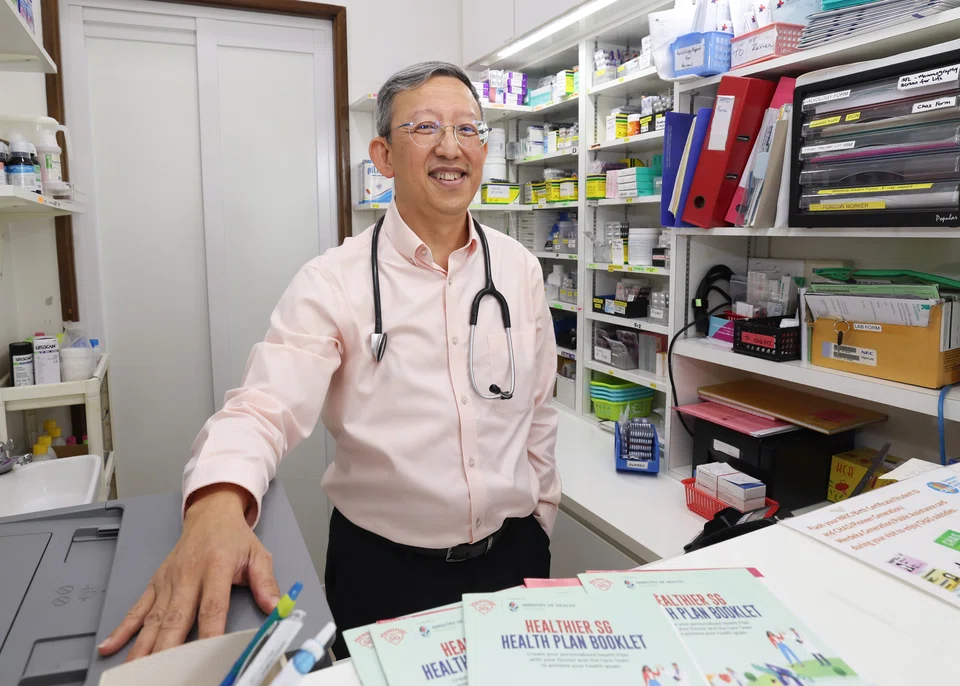
INSTEAD of simply merging their clinics, some like-minded general practitioners (GPs) have chosen to go with another model for collaboration: a co-operative society, or co-op.
Unlike regular corporate businesses, a co-op is a membership-based organisation that operates on the principles of self-help and mutual assistance, and often has a social mission.
GP+ Co-operative’s mission includes keeping healthcare at the GP level affordable and deepening collaboration with other healthcare professionals.
The model benefits both the business and patient care, the co-op’s founder Leong Choon Kit told The Business Times.
On the business side, these include lower costs from economies of scale. For patient care, the model enables better communication between doctors and more proactive management of patients’ ailments – with better results.
Together but independent
Traditionally, if GPs wanted to work together, they simply merged their practices. But such an approach presents issues that Dr Leong, a family physician who runs Mission Medical Clinic, was keen to avoid.
Under a corporate umbrella, individual GPs would likely lose the autonomy to run their clinics as they saw fit. In a corporate merger, it could also be tricky to remove partners who turned out to be a bad fit. This could involve share buyouts and other complicated financial arrangements.
The co-op model, on the other hand, enables GPs to come together but maintain their autonomy – thus making participation more attractive.
Under the membership-based co-op model, each ordinary member has an equal vote in the co-op’s operations.
Errant or unsuitable members can be removed through a simple vote, he added: “You may be the chairman, but if you go rogue, I can vote you out; in a commercial (model), you can’t.”
Founded in 2018, GP+ has 98 members – GPs, specialist doctors and allied health professionals – who run more than 60 clinics in Singapore. Only medical doctors registered with the Singapore Medical Council can become members.
Ordinary members, who must be practising GPs, have voting powers. Associate members, who can be practising GPs or other medical professionals, do not.
The organisation is largely funded through entrance fees paid upon joining the co-op. These take the form of buying GP+ shares, and recurring membership dues.
The grouping also receives funding from the Singapore National Co-operative Federation (SNCF), the apex body of Singapore’s co-ops.
SNCF chief executive officer Ang Hin Kee said: “The good thing about co-ops is that they enable small-business owners by giving them control over how their businesses are run.”
“In the case of GP+, the respective GPs are able to run their clinics independently, but they align on certain healthcare practices and standards to provide better quality healthcare to the public.”
Staying in touch
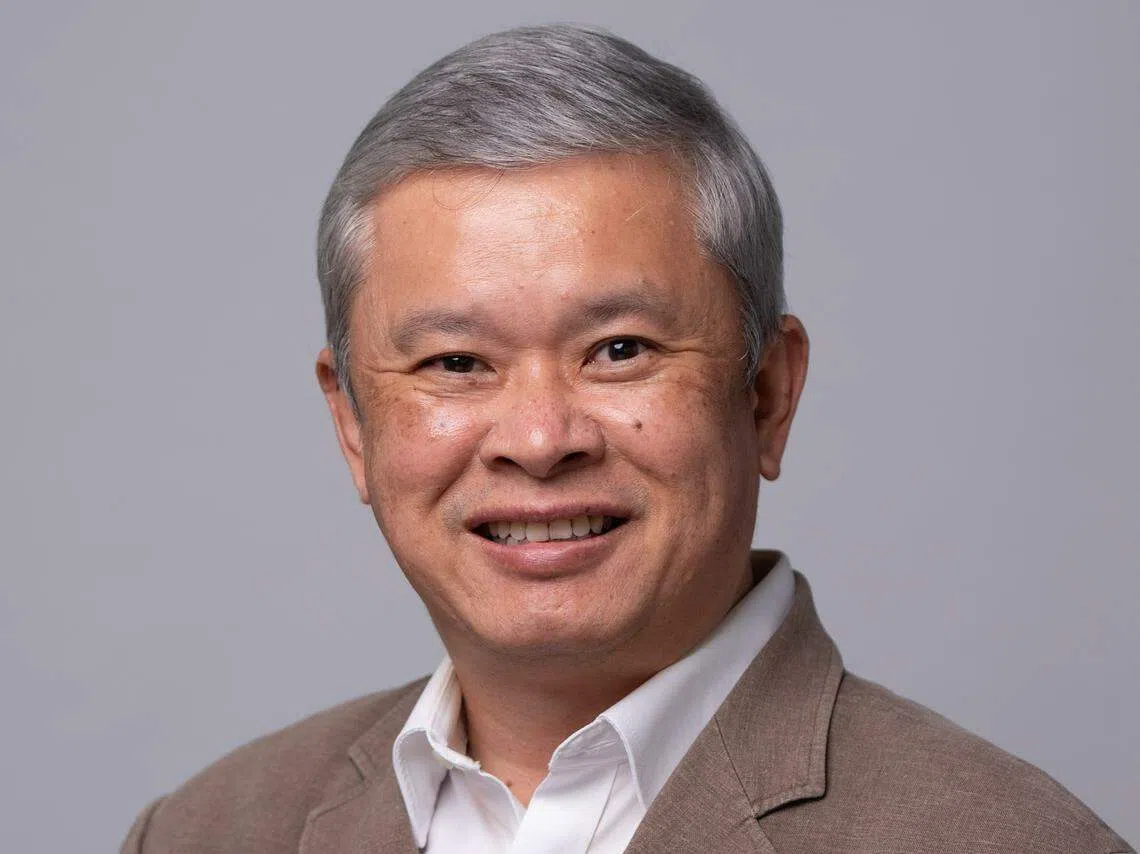
A founding aim of the co-op was to maintain communication between those who care for the same patient. GPs wanted to loop in other healthcare professionals – and to be kept in the loop even after making referrals.
Indeed, the “plus” in GP+ reflects this, said Dr Leong: “The GP is just the base of it, plus everything else: the specialists, the allied health and some of the paramedical (professionals).
“It’s very difficult for one professional to actually look after the entire person, even at the GP level,” he said. Yet many healthcare professionals – especially in the private sector – tend to operate in silos, he added.
This means that after making a referral, GPs are rarely updated about their patient’s condition, making it hard to maintain continuity of care for the patient in a later visit.
GP+ members tend to refer patients to each other where relevant, and are encouraged to provide updates throughout the referral process. For instance, specialists and other healthcare professionals are encouraged to update the referring GP about their patient’s treatment plan and prognosis.
With a patient’s permission, GPs might also contact a relevant specialist during the initial consultation, to determine the best course of action before making the referral.
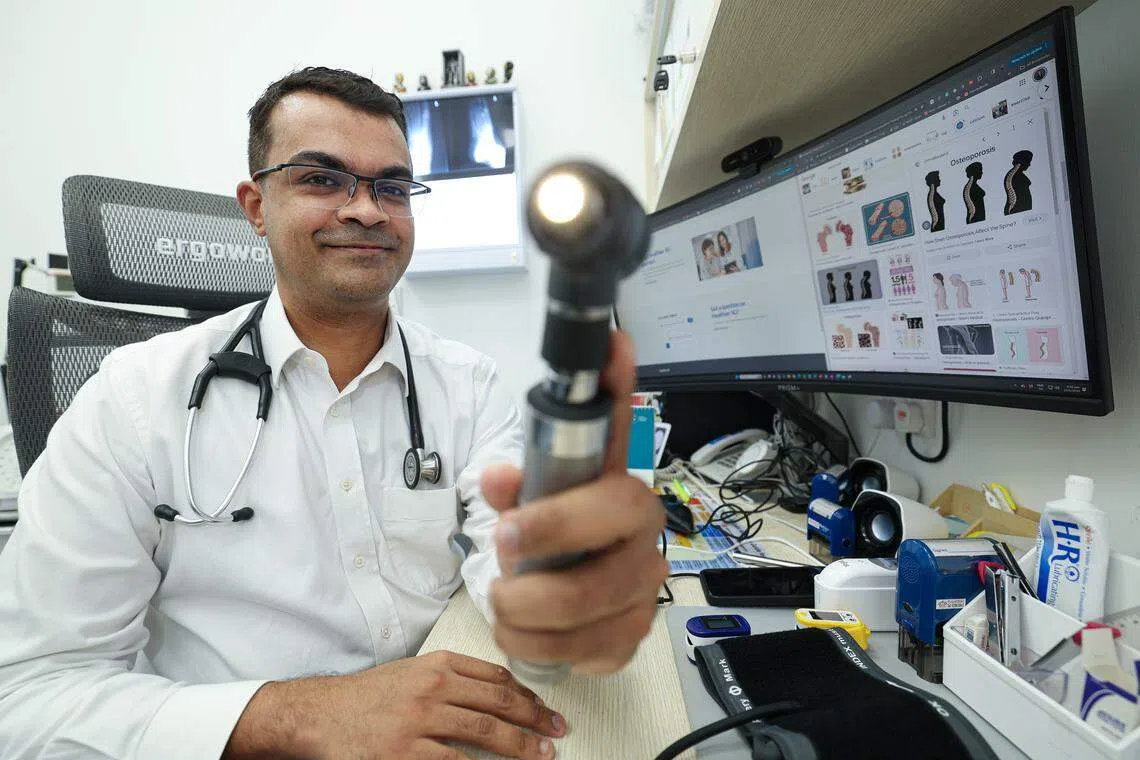
“We can update the specialists on the key concerns from the patients, so that when they manage them, it’s a productive session,” said GP+ member Aziz Noordin, co-director of Tampines Family Medicine Clinic.
Other benefits
Another core mission of GP+ is keeping healthcare affordable, as cost savings can be gained when negotiating with vendors as a group.
For example, co-op members have reaped cost savings of 15 to 20 per cent on lab services, which include blood tests for common chronic conditions. Each GP then has the autonomy to decide whether to pass the savings on to patients.
Beyond dollars and cents, there are other perks to being a GP+ member. The co-op organises monthly training workshops to help members keep up with continuing medical education requirements.
In some sessions, specialists are invited to share best practices with GPs – and enable them to help patients better.
“We had a urologist come in, (and) give us talks about how we can manage prostatic problems, like enlarged prostate, or prostatic cancer,” said Dr Aziz.
“These are usually things that we normally refer back to the urologist, but now we can actually manage (some of) them in the clinic.”
The co-op also encourages members to get patients to be more proactive in managing their health. For instance, in 2023, member clinics began to encourage at-risk patients to go for breast-cancer screenings throughout the year, and not just during Breast Cancer Awareness Month in October, as is usually the case.
The initiative resulted in 75 at-risk patients being referred for breast cancer screening last year, higher than in previous years.
On decision-making
The co-operative approach to decision-making, however, means that many decisions have to be put to a vote.
“Sometimes, there is decision hesitancy,” said Dr Aziz. “Because there’s a co-op framework, you have to go through some layers of discussions during meetings. Sometimes, the nimbleness is not there.”
One way to expedite decision-making is to have like-minded members who are aligned on the co-op’s mission and values from the start, suggested SNCF’s Ang.
Indeed, GP+ screens prospective members “very strictly”, said Dr Leong.
Reiterating the co-op’s core mission of helping to keep healthcare at the GP level affordable, he said: “We want those people who are willing to give a bit of discount here and there, on their own accord.”
TRENDING NOW

Singapore identifies 7 firms responsible for haze fires, notices issued urging action: Grace Fu

‘How many will survive?’: Bubble fears arise as China’s humanoid robotics face reality check
GIC-backed Bank Jago sees wealth management as next growth engine as Indonesian investor base grows

Ageing in Asia: Huge potential for the consumer economy

