A pioneer in sustainability
Long before sustainability became a buzzword, Lam Hong was recycling items such as ship chains and anchors. BY CHOO HAI WEN CAREY, QUEK WEI QUAN, TEO KEE WEI AND YAO HUALIN
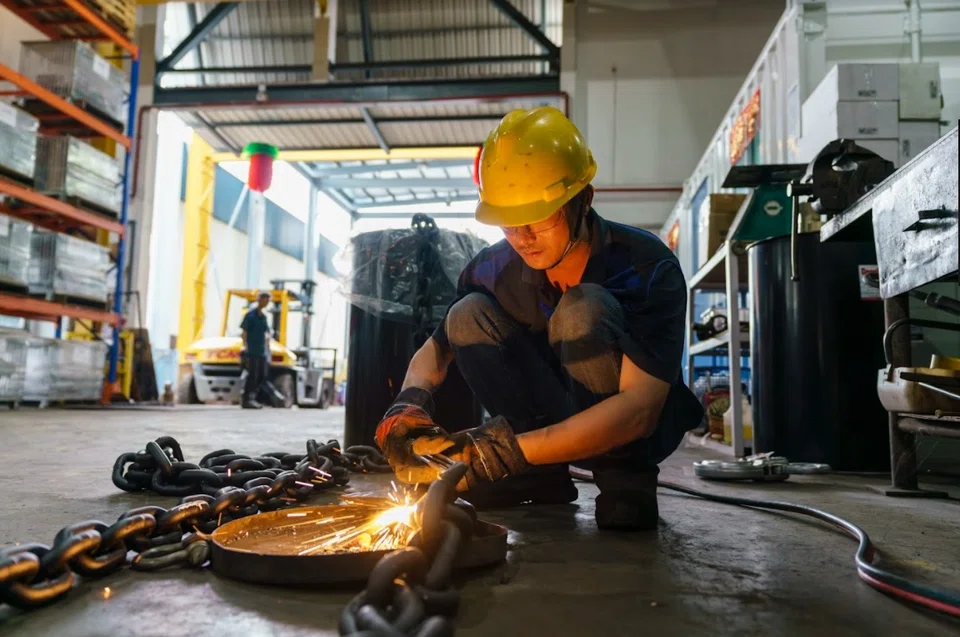
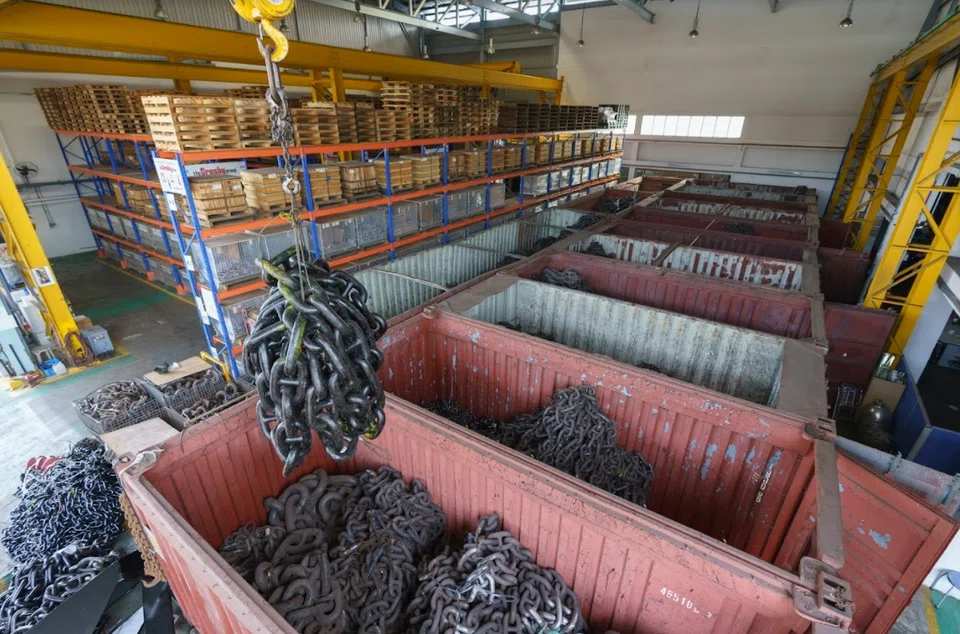
FROM a small Sungei Road shophouse, family-run Lam Hong Group now has its own site in Pioneer and a global presence ranging from South-east Asia to the United States, while diversifying from metal recycling into a wide range of trades.
The journey began in 1946, when founder See Cheow Song spotted an opportunity as Singapore emerged from the Second World War. As the global economy recovered, many ships called at the port with old cargo that had to be disposed of. See collected discarded items such as chains, anchors and other ship supplies, and sold them to local merchants, sowing the first seeds of Lam Hong’s future involvement in sustainability.
As its business grew, Lam Hong moved to bigger premises. In 1960, it relocated to nearby Beach Road between the Kallang Basin and the Singapore River, where it developed a reputation as a premier vendor of shipping supplies. Business prospered and Lam Hong broadened its scope to include marine and offshore equipment. To cope with rapid expansion, the company moved twice more in those early years: to Jalan Benaan Kapal in 1969, then to Jurong Industrial Estate in 1984.
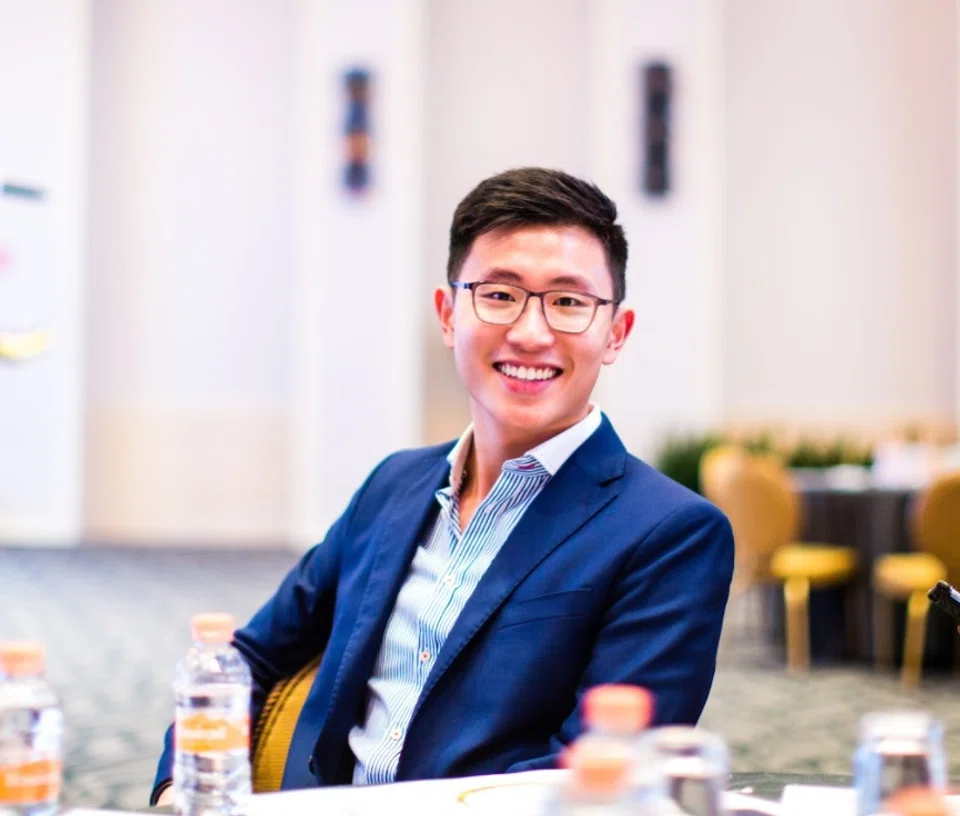
Now, more than 7 decades later, See’s granddaughter Doreen See is the executive chairman of Lam Hong Group, supported by 4th-generation family members Lee Tong Yi and Kevin Wong, who are both See’s great-grandsons.
In 2019, Lam Hong acquired a new factory at 5 Kian Teck Drive, making the growing business more space-efficient with improved racking, digitalisation and automation. As Lee put it: “Each time we moved, we’ve upgraded, and this new factory is the most significant transition.”
Along with bigger premises, Lam Hong constantly adopts new technologies to expand and diversify its capabilities, in order to reduce reliance on any particular business segment. To prepare for Industry 4.0, Lam Hong’s operations are now automated and a major digitalisation project is underway to handle the growing business.
The group has gone beyond its marine and offshore origins, with business units ranging from sustainability to testing and certification services. It also boasts a global presence through partnerships with businesses in South-east Asia, Australia, the United Kingdom and the US.
All in the family
Lam Hong prides itself as a family-run business with a strong and tightly-knit management team. Being family-owned and managed allows the group to alleviate issues such as bureaucracy, which can slow down decision-making and execution in larger organisations, said Lee.
Lam Hong’s management team keeps an open mind, aiming to marry the hard-earned experience of earlier generations with the tech-savviness of the younger generation. Creating a common goal and adopting an evidence-based approach is integral to Lam Hong’s decision making process, added Lee.
Lam Hong values trust not just among the management team, but with customers, with Lee considering that the reason for its longevity and success: “We make sure not to over-promise and to always deliver.”
Forging new paths
Since its beginnings in the metal and recycled goods trade, the group has been swift to identify gaps in the market and find solutions to plug them.
In the 1970s, for instance, the company noticed the absence of premium rigging products and wire ropes. So in 1972, it became the first to import and introduce the Crosby brand – a leading manufacturer of lifting and rigging applications, and “a branded premium product that customers demanded”, said Lee. Lam Hong was also the first to introduce Korean wire ropes in 1973, and Chinese anchor chains in the early 1990s.
Today, Lam Hong handles a wide collection of marine and offshore supplies and is a key player in Singapore’s lifting and rigging equipment industry. As an exclusive distributor of many products, Lam Hong is extra cautious in ensuring their quality, said Lee: “Due diligence on quality control is conducted with extra caution, to uphold Lam Hong's long-standing reputation.”
Lam Hong has also been relentless in maintaining a competitive advantage through exclusive distribution agreements. In 2020, the group took up exclusive distributorship of two new brands well-known for high-quality chain fittings, Yoke and William Hackett.
All this has not gone unnoticed. In 2012, Lam Hong was awarded the Circle of Excellence in Offshore & Marine Industry by the Asia Business Journal. In 2014, it received the Singapore Maritime Distinguished Award from Singapore’s Trade & Industry Association and the Asia Business Journal.
Lam Hong had a banner year in 2020, snagging 2 awards: the Singapore SME 500 Award by the Singapore Association of Trade & Commerce, as well as the Enterprise 50 Award.
Granted, it has not all been smooth-sailing. One of the biggest challenges that Lam Hong has faced throughout its journey is the disruptive volatility of oil prices. Most recently, oil prices fluctuated sharply during the Covid-19 pandemic, particularly during the March 2021 incident when a container ship was stuck in the Suez Canal and blocked traffic for six days.
The volatile oil prices discouraged ships from sailing, resulting in a significant decline in the number of vessels calling at Singapore and taking on supplies. Demand for Lam Hong’s marine and offshore products was severely affected – but this was mitigated by its business diversification, which has kept it afloat even during times of instability.
Going forward, Lam Hong will be focusing on its new subsidiaries – especially its sustainability unit, given increased demand for renewable energy – and continuing to explore new products and markets to keep abreast of industry trends.
This series is part of the Enterprise 50 Educational Project between the E50 partners and the NUS Business School. Lam Hong Group was among the winners in 2020. The annual E50 ranking is co-organised by The Business Times and KPMG, sponsored by OCBC Bank, and supported by Enterprise Singapore, Singapore Exchange and Singapore Business Federation.