


Plain Vanilla aims to be known not just for cupcakes, but as a lifestyle brand
After 13 years, it is seeking investors for its next stage of growth
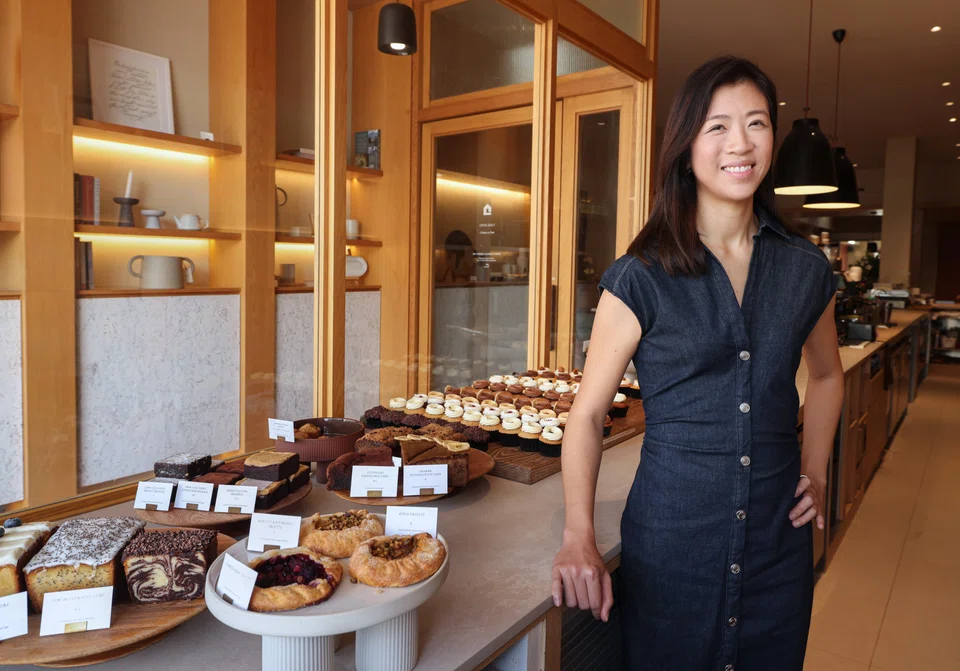
[SINGAPORE] When Vanessa Kenchington took a sabbatical from law to open cupcake shop Plain Vanilla in 2011, she started with a cautious business model: just a 150 square foot space in Holland Village, no hires and an initial investment of S$35,000. (* see amendment note below)
From the start, her goal was not to run a “trend-driven bakery” but to build a lasting lifestyle brand – and success has since meant that she never returned to the legal sector.
Within two years, the original space was too small to meet demand. In 2013, she opened an outlet in Tiong Bahru that was 10 times the size of the first, and offered coffee too – an addition that has since become a key part of the brand’s offerings.
Today, Plain Vanilla’s six stores sell as many cups of coffee as they do cupcakes.
Expanding the offerings and testing different formats have been part of the brand’s growth strategy over the years.
In 2013, the company launched Plain Vanilla Foods, offering hampers and variety boxes. These were popular not only during festive periods such as Chinese New Year and Christmas, but also as a regular treat.
Said Kenchington: “We saw customers loved mixed boxes with assorted bakes, so we began releasing a different mixed box each month.”
Then in 2015, Plain Vanilla partnered fashion label In Good Company, running a cafe in a collaborative store in Ion Orchard.
Initially tucked away at the back of the store, the cafe quickly became the main attraction. It moved to the front of the space, and became listed under the mall’s food and beverage category, rather than in the retail one.
This presence in town helped Plain Vanilla reach a broader audience and sparked interest from investment partners, said Kenchington. “From a strategy perspective, it’s important to have a presence in the high street.”

The Covid-19 pandemic in 2020 drove further diversification. Within five days of dine-in restrictions being announced, Plain Vanilla launched its e-commerce website, which Kenchington called a “huge game changer”.
Today, the brand’s annual online revenue is more than S$1 million, contributing to about 15 per cent of total revenue.
From 2023 to 2024, Plain Vanilla’s top line rose 25 per cent. The current aim is to manage growth while maintaining its positioning as an independent brand.
Said Kenchington: “Sometimes consumers start seeing us as a chain, but we’re committed to preserving our independent values like quality and consistency, so we don’t just become a cookie-cutter bakery chain.”
Plain Vanilla has also moved away from the pop-ups and flea market appearances that it used to do, she added. “We realised that customers might not see us as an established brand if we were everywhere. Now, collaborations are more intentional and impactful.”
A bigger presence
This April, the business started seeking investors, with plans to form an advisory board.
“The goal is for the brand to outlive me,” said Kenchington. “The best chance of that is if it goes into bigger hands eventually.”
Despite its e-commerce success, the offline cafe experience is still key, she added.
“In the future, people might not even need to go out – they could stay home and be self-sufficient through their phones. That’s why what cafes do, by bringing people together in today’s world, is so important.”
In the next five years, Plain Vanilla hopes to expand locally, focusing on neighbourhoods where the brand can add value.
But Kenchington does not expect to exceed 15 to 20 stores in Singapore. In the longer term, the brand could go overseas.
“We want to build a presence in the global community before expanding. Take Blue Bottle Coffee, for example,” she said, referring to the US coffee brand that arrived in Singapore this year. “Everyone knew and loved them even before they opened in Singapore.”
“If we go abroad, it will likely be Western markets like the UK, the US or Australia, rather than South-east Asia,” she added.
As for how Plain Vanilla has managed to stay relevant, Kenchington said: “I’m not a big believer in constant pivots because it’s difficult for consumers to build brand recall.
“Opening a store and getting it off the ground is not that difficult, but the real challenge is trying to figure out what value you will be adding to customers 10 years from now.”
This is the second in a series on how the veterans of Singapore’s cafe scene are adapting to stay relevant
* Amendment note: The article previously stated that the initial investment for cupcake shop Plain Vanilla was S$50,000. Plain Vanilla has double checked and stated that the correct figure is S$35,000.
TRENDING NOW

Indonesia’s coal tycoon Low Tuck Kwong replaced as Bayan Resources president-director

OCBC names Ang Eng Siong as global corporate banking head in rejig of wholesale banking business

Consider lowering homeownership barriers for some non-resident foreigners

DBS opens flagship investment strategy to retail investors with new fund

