Singapore jeweller Ishtara eyes overseas expansion, greater online presence amid gold price rally
It aims to capitalise on the boom to scale operations, tapping both retail demand and investment interest
Jermaine Fok
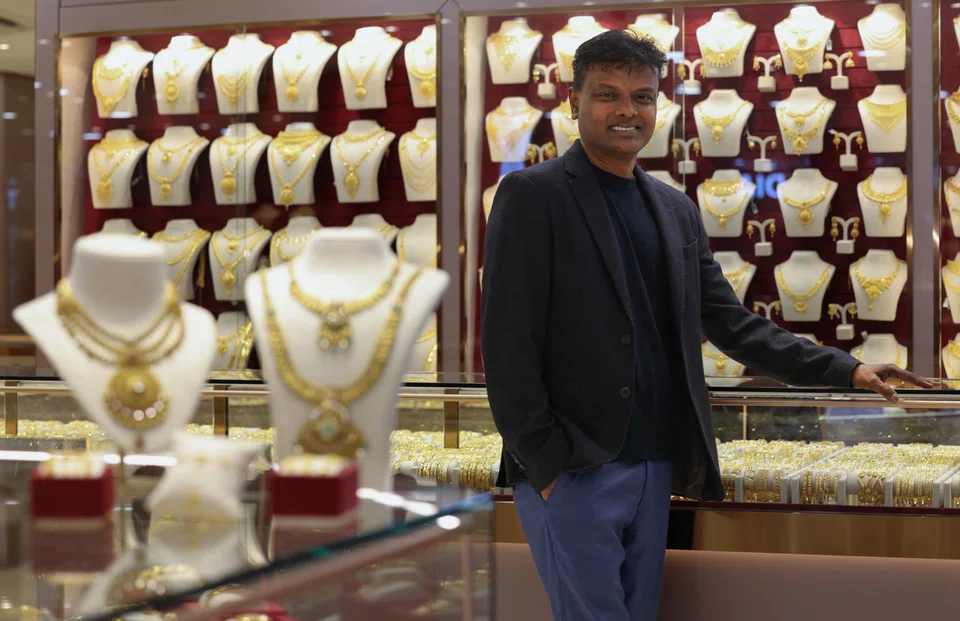
[SINGAPORE] With gold prices hitting record highs this year – the price per ounce soared past US$5,000 in late January for the first time – local jewellery brand Ishtara is doubling down on its overseas and online expansion plans.
The company has plans to enter the US, Canada, Australia and UK markets within the next three years, said managing director Parthiban Murugaiyan.
“We are planning to expand into other countries where the Indian diaspora is quite huge,” he said in a recent interview with The Business Times.
In February, Ishtara launched its first mobile application, which allows customers to browse, purchase and have products delivered directly to their homes.
The company claims it is among the first jewellery retailers to roll out a dedicated mobile app, as it looks to tap the precious metal’s rally and expand its customer base beyond physical stores.
The app also features a rewards programme that allows users to earn and redeem points based on their purchases, as well as track their balances.
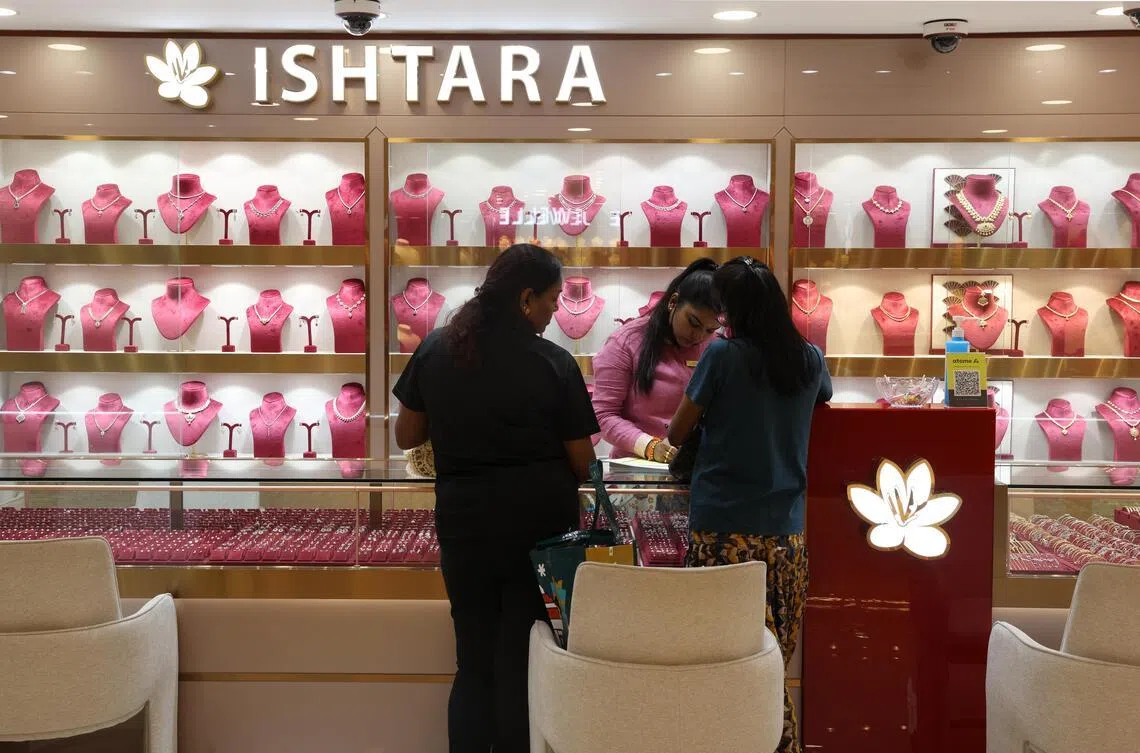
“The shop is physically present – people can come in (the store) and buy while seeing the wide range of jewellery, but now you can buy it from your home as well,” Parthiban said.
He noted that rising gold prices have also increased operating costs, prompting the shift towards digitalisation. As at Tuesday (May 12), the price per ounce was around US$4,700. To put this figure in perspective, the price at the start of 2025 was about US$2,600.
“(Due to the volatility of gold prices), we have to shift to this strategy (of launching the app) as it’s very cost-effective. At the same time, we can reach out to more customers – not only in Singapore, but (also) all over the world.”


Beyond e-commerce, the company plans to incorporate artificial intelligence into the platform, allowing users to customise jewellery and try on pieces virtually before they commit to a purchase.
AI has already been integrated into parts of Ishtara’s operations, from billing systems to analysing customers’ purchasing patterns and history.
“AI is a tool that is definitely a must for every business, and it can give you a lot of insights,” Parthiban added.
Since adopting these technologies, the company has seen improvements in scale and productivity, which have translated into stronger sales and customer service, as well as enhanced digital engagement.
Gold for aesthetics or investment?
According to Parthiban, consumers purchase gold for two main reasons: investment and luxury.
“People are now buying a lot of gold bars, selling many gold bars for investment. It depends, it’s very subjective,” he said.
“Some people want to buy because they would like to wear it and want to keep it as an asset. Or they would like to pass it to their children in the future, and they know that eventually the price is going to go up.”
He noted that gold prices have increased nearly 10 times since he took over his father’s business more than three decades ago in 1993.
With prices still high since the start of the year due to geopolitical instability and large central bank buying, demand has continued to grow as gold is widely seen as a “safe-haven” asset.
Parthiban said that Ishtara has seen a 10 to 20 per cent increase in customers purchasing gold following the recent rally.
“The rise (in demand) would probably be more realistic when the price settles down, because now people are rushing to buy,” he added. “When the price settles down, I think more people will start buying again.”
To manage price volatility, the company allows customers to make purchases via monthly instalments. The company also has a gold savings programme that offers bonuses equivalent to about a 20 per cent yield, which can be used for future purchases.
Second-generation business
Ishtara began as a family-run goldsmith shop 40 years ago before Parthiban took over his father’s business. He later transformed it into a corporatised business group with nine retail outlets across Singapore and Hong Kong.
Beyond retail, Ishtara has been engaged in business-to-business wholesale since 2010, supplying jewellery to other retailers.
According to Parthiban, about 70 per cent of its sales come from wholesale, with the remainder from retail. The company currently exports to markets such as Canada, Australia and Dubai.
Over the years, the group’s annual revenue has grown from less than S$500,000 to more than S$150 million today.
Of its nine outlets, eight operate under Luvenus Jewellery, a sister brand catering to the mainstream market.
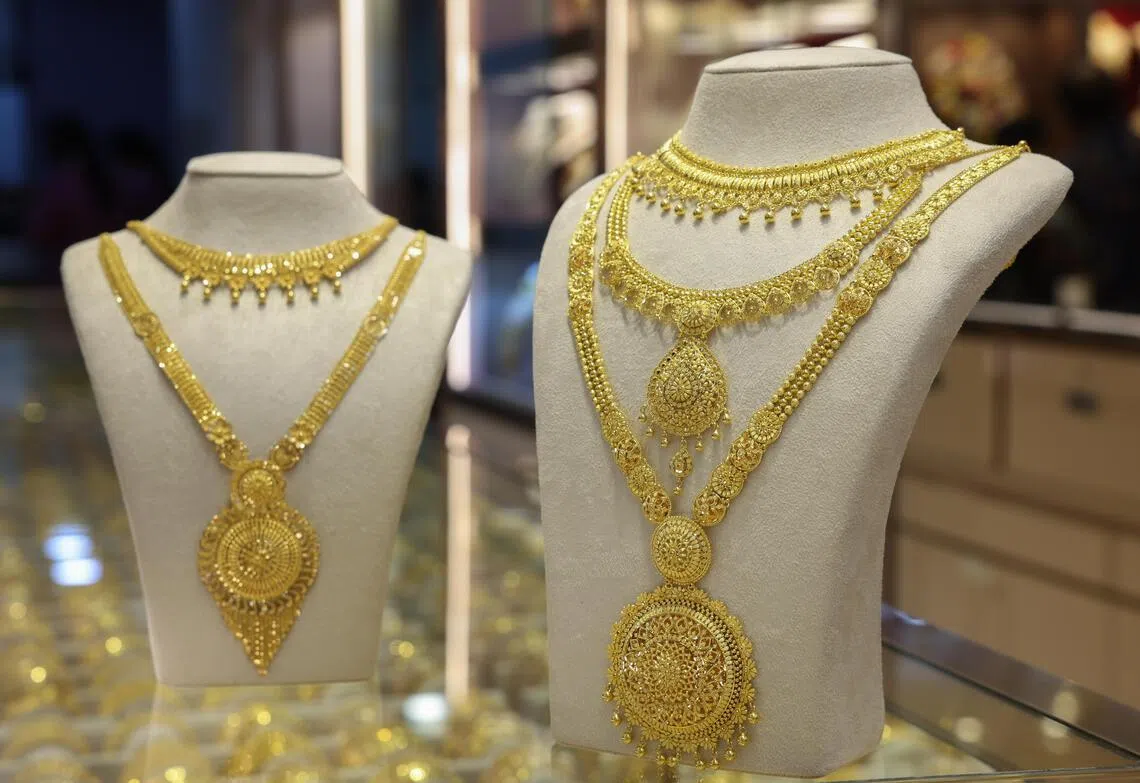
While Ishtara has a single outlet along Serangoon Road in Little India, this branch operates in an area that has about 70 jewellery and pawn shops specialising in gold and jewellery. The Ishtara store specialises in handcrafted gold, diamond and precious gemstone jewellery.
“It’s very competitive, and we always have to be on top, coming up with new plans and ideas, and the way we (serve customers),” said Parthiban.
“I think there is a continuous need for change and we are implementing it, adapting to the changes and evolving accordingly. That is what makes us stand apart from the rest.”
Decoding Asia newsletter: your guide to navigating Asia in a new global order. Sign up here to get Decoding Asia newsletter. Delivered to your inbox. Free.
Share with us your feedback on BT's products and services