


Singapore job ads, Malaysian candidates surge as borders reopen
Paige Lim &
Francine Ho
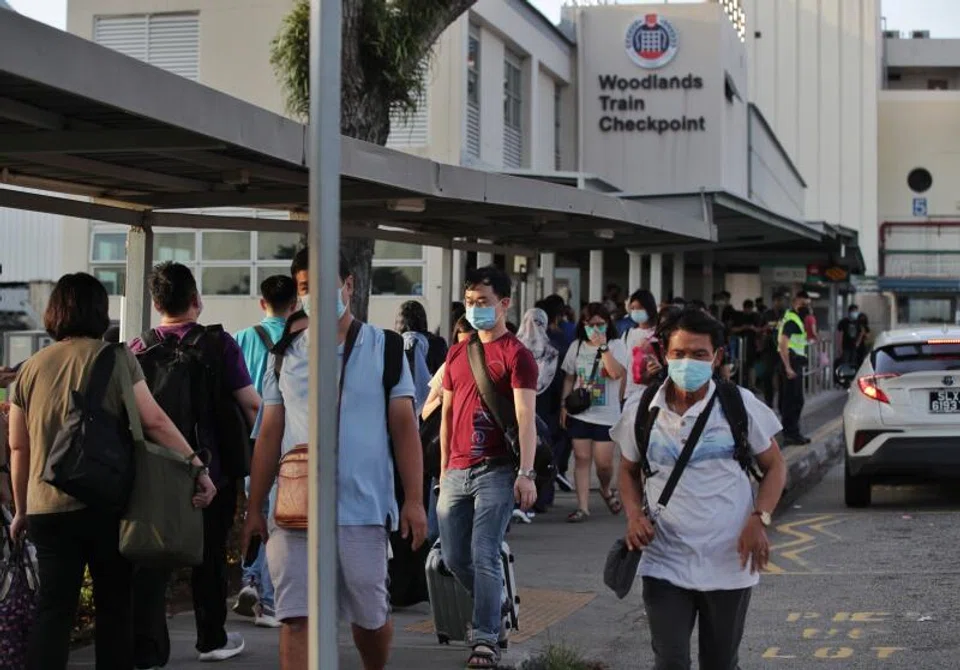
BOTH overall job postings and Malaysian job applicant numbers rose after Singapore and Malaysia announced the loosening of border curbs from Apr 1, according to data from job portal FastJobs.
In the 4 weeks around and after the reopening announcement on Mar 24, total job postings on FastJobs rose 15 per cent year on year. Malaysian applicant numbers more than doubled, whether compared to the year-ago period or the four weeks immediately prior.
From Mar 20 to Apr 16, 2022, there were 7,500 Malaysian job applicants on FastJobs – nearly triple the figure of 2,538 in the year-ago period, and about 2.5 times the 2,918 applicants from Feb 20 to Mar 19, FastJobs told The Business Times.
While Singaporeans and permanent residents still make up the majority of applicants, the border reopening is expected to bring about an influx of Malaysian applications, helping to ease the manpower crunch in certain sectors, said FastJobs.
The land borders between Singapore and Malaysia reopened on Apr 1, allowing fully-vaccinated travellers to enter either country without taking a Covid-19 test or going through quarantine.
Another jobs portal, JobStreet, also saw job postings and applications surge after the reopening was announced, though it declined to give figures for Malaysian applicants.
In March 2022, job postings were 60 per cent higher than pre-pandemic levels, and up 30 per cent compared to the month before, said Chew Siew Mee, managing director of JobStreet Singapore.
Specific sectors that contributed to the rise in job postings include human resource, education, food and beverage (F&B), as well as retail and merchandise, said Chew, adding that sectors such as F&B and retail likely expect more foot traffic and customers, and require more staff to cope with the improved outlook.
FastJobs Singapore general manager Lim Huishan said: “The easing of restrictions only bodes well for the economy, and we definitely expect to see a recovery and even greater demand in many sectors as companies begin to restart their hiring efforts, including in the tourism and travel-related sectors.”
The bulk of growth in FastJobs postings came from warehousing and logistics; hospitality and F&B; sales, retail and marketing; administrative and clerical; and customer service and receptionists.
In the March to April period, postings in these sectors increased by 20 per cent year on year. Postings in the hospitality and F&B sectors grew by 28 per cent, in line with the removal of dine-in restrictions and group size limits announced in late March 2022, said FastJobs.
The border reopening could help relieve Singapore’s manpower shortage, even as the F&B sector continues to improve productivity, embrace innovation and enhance job re-skilling, said a spokesman from the Restaurant Association of Singapore (RAS).
But as many other industries are also rushing to hire, it will take some time for the foreign manpower supply to return and stabilise to pre-Covid levels, he added.
FastJobs postings rose 18 per cent for sales, retail and marketing; 33 per cent for administrative and clerical jobs; and 40 per cent for customer service and receptionists.
Warehousing and logistics job postings grew by just 6 per cent. But FastJobs noted that the sector has grown consistently since early in the pandemic, with increased e-commerce, and expects this growth to continue in the near future.
Four of the top 5 sectors for Malaysian job applicants were the same as those with the most postings, with the exception being manufacturing instead of customer service and receptionists.
Ryan Chioh, acting president of the Singapore Manufacturing Federation (SMF), said “a handful” of the federation’s members have indeed hired more Malaysians in April, with increases of between 20 to 50 per cent.
But most SMF members have not reported hiring more Malaysians, and some have instead seen existing Malaysian workers heading home, he noted.
Even if Malaysians are keen to work here and employers are keen to hire, official quotas could limit the inflow.
Kung Teong Wah, president of the Food & Beverage Management Association (FBMA), said hotels have seen a 10 to 15 per cent increase in Malaysian job applications – but many hotel management players have reached the maximum share of foreigners in their headcount.
His view is that even with rising applications from Malaysians, Singapore’s labour crunch can only be resolved if more residents join these sectors.
Chioh noted that some SMF members have similarly hit the ceiling for hiring foreigners, but added: “Thankfully, these companies have either automated – thus do not require additional manpower – or managed to hire more Singaporeans to take up the roles.”
TRENDING NOW

OCBC customers face difficulties accessing online, mobile banking services

SGX CEO Loh Boon Chye to step down; succession planning under way

Waymo founder predicts ‘landslide’ robotaxi adoption in Singapore, driven by high car costs

Vietnam’s northern provinces, not Hanoi or Ho Chi Minh City, are powering near 10% GDP growth

