From Singapore to the world: Matchaya seeks to stir up interest in Japanese green tea in more markets
The matcha specialist plans to open an outlet each in India and the Philippines, and expand its operations in Jakarta
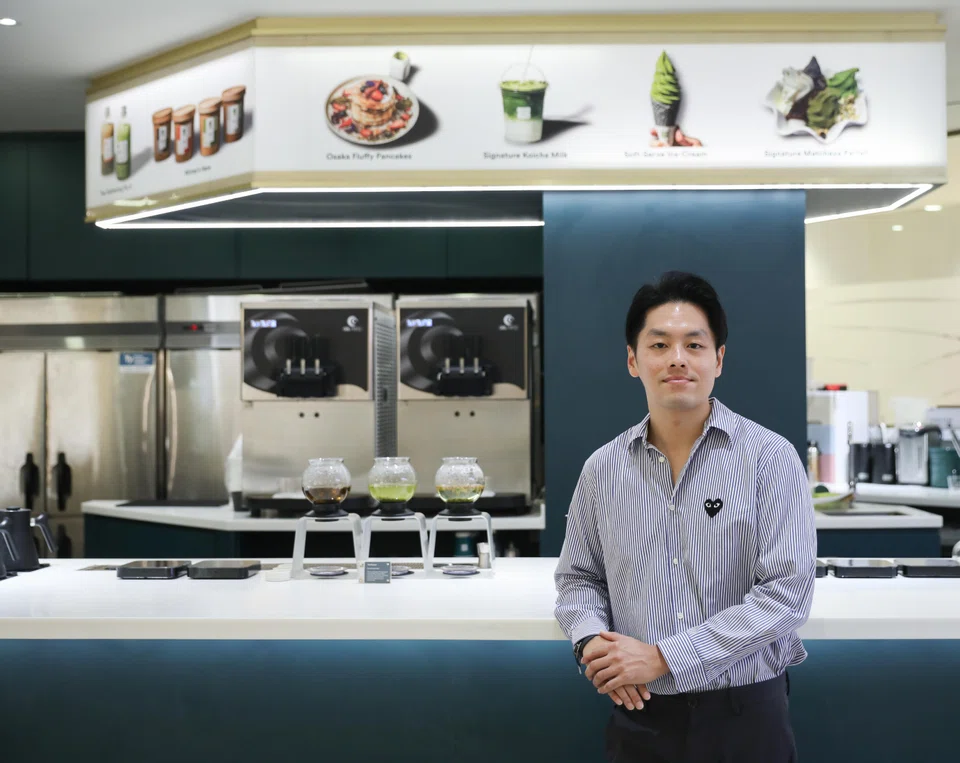
[SINGAPORE] After helping to popularise matcha in Singapore, home-grown company Matchaya is taking the Japanese beverage to other countries in Asia.
In addition to four outlets in Singapore, the tea-based food and beverage (F&B) company has two in Jakarta and is considering expanding its operations there.
It plans to open one outlet in India by 2026 and another in the Philippines by 2027, both through a franchise model.
The aim is to have at least one flagship store in every developing Asian country by 2030, founder Kevin Chee told The Business Times.
Back home, the company’s next big project is managing UOB’s Tea House. Set to open by April, this will be a dedicated space located at the ground level of UOB Plaza 1 where banking customers can relax.
This project means a lot, Chee noted, as it will help Matchaya gain from more exposure to different businesses and individuals who bank with UOB.
He expects this project, together with the business in Jakarta, to boost the company’s overall revenue by 20 per cent this year.
Post-pandemic, its revenue has grown steadily, with a current annual run rate of S$2.5 million. Half of its revenue comes from its F&B outlets; another 30 per cent from the distribution of matcha powder; and the rest from retail sales and classes.
It has been profitable since it began in 2015, with earnings of around S$375,000 in the last year.
Start of an ecosystem
Before starting Matchaya, Chee was in a management position in a bank. Back in 2014, he noticed that professionals in Europe and the US were swopping their second cup of coffee each day for matcha.
Yet, at the time, the beverage was not well known in Singapore.
“The only place that sold matcha back then was Starbucks, and, even so, it was not authentically made the Japanese way,” he said.
Japanese cuisine, however, was already popular in Singapore. With that in mind, Chee wanted to bring matcha here too.
“It was a simple choice to try it out. And I was quite lucky because I was young back then,” he recalled, as that meant that he did not have many other big responsibilities or commitments at the time.
After months of research and development in Japan, he made his first foray into the business in early 2015, by selling matcha drinks at flea markets and pop-ups.
To his surprise, people were interested, and he could sell up to 200 cups a day.
“When we look back at our Instagram and Facebook, our followers were growing by 30 to 50 a day. So we thought we must be doing something right.”
After leaving his full-time job in the second half of 2015, he opened Matchaya’s first permanent F&B outlets in Icon Village and The Cathay. But business did not take off.
The biggest problem, Chee said, was that these takeaway kiosks lacked “interaction points” for customers to observe the matcha-making process.
“Other rival brands that started opening up had more modern (set-ups), better locations and were more interactive. That was when our business started to slow down exponentially,” he noted.
Matchaya had to radically transform its stores to serve up better experiences to its customers.
The “progressive” tea bar
In 2017, Matchaya went through a brand revamp costing about S$30,000 to convert its takeaway space at The Cathay into a “progressive tea bar”.
It had an open-kitchen concept where customers could observe how the Japanese drink was made through a traditional process, but using modern teaware.
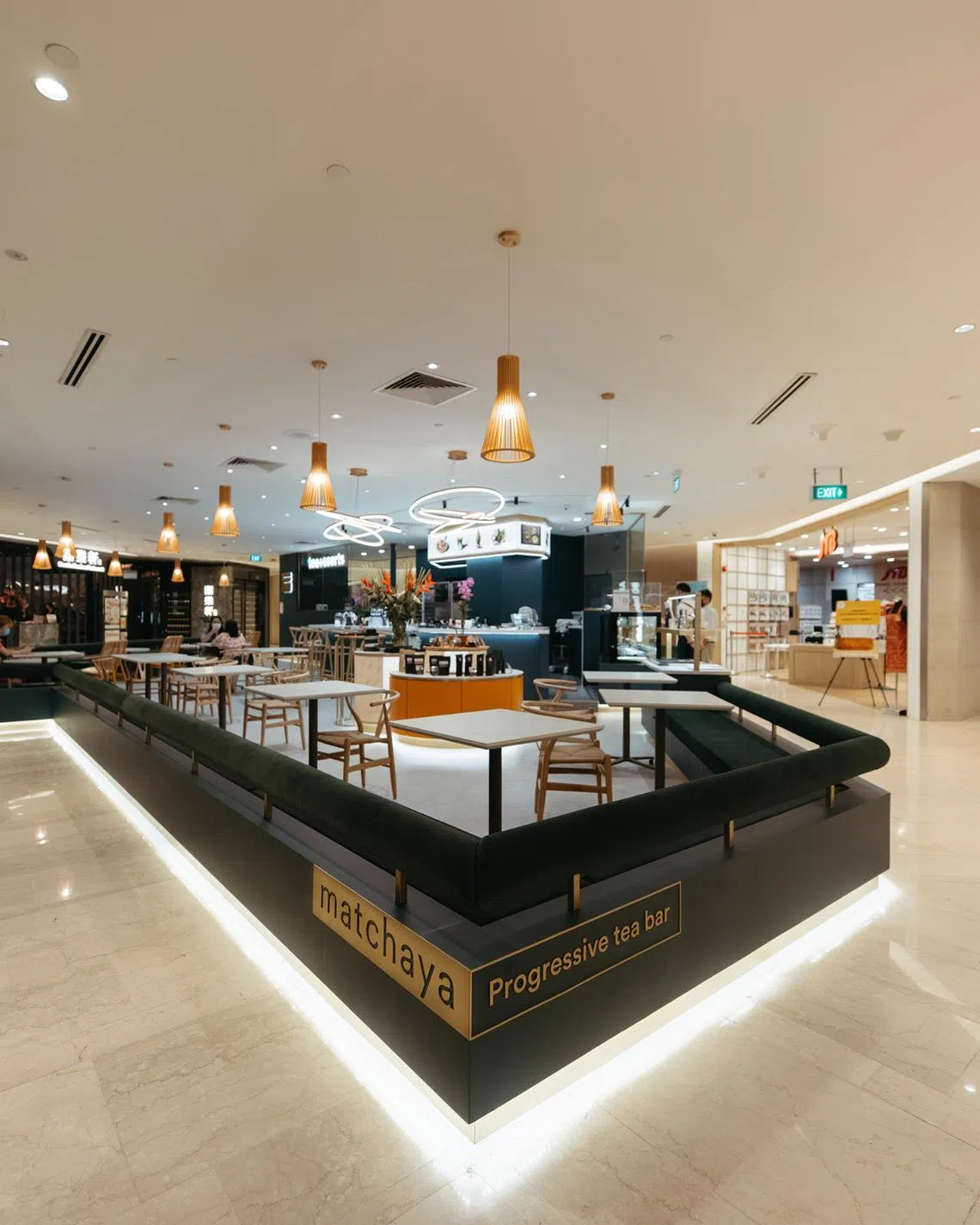
The experience let customers have a more personal connection with the brand, said Chee.
Instead of being only for takeaway, the outlet added seating where customers could enjoy the carefully crafted drink, along with food such as tea cakes and tea-infused ice cream.
“We wanted the space to be an escape from the hustle and bustle of life, and for customers to enjoy the slower-paced atmosphere,” the 37-year-old said.
The investment paid off. Though the brand had to close its original two outlets, it could open four others that were bigger, including a flagship store at Takashimaya Shopping Centre.
Unlike the other outlets, the flagship store features the full range of Matchaya’s retail products. This includes matcha powder, special tea blends and teaware launched as part of the brand revamp.
“The idea was to (encourage) customers (to buy) a product to enjoy at home. Our special-blend teas, such as lavender yuzu houjicha, are unique to our shop and this sets us apart from our competitors,” Chee added.
His dream is to create an entire ecosystem, such that the drinks that customers experience in-store can also be created at home, with matcha powder purchased directly from Matchaya or from supermarkets.
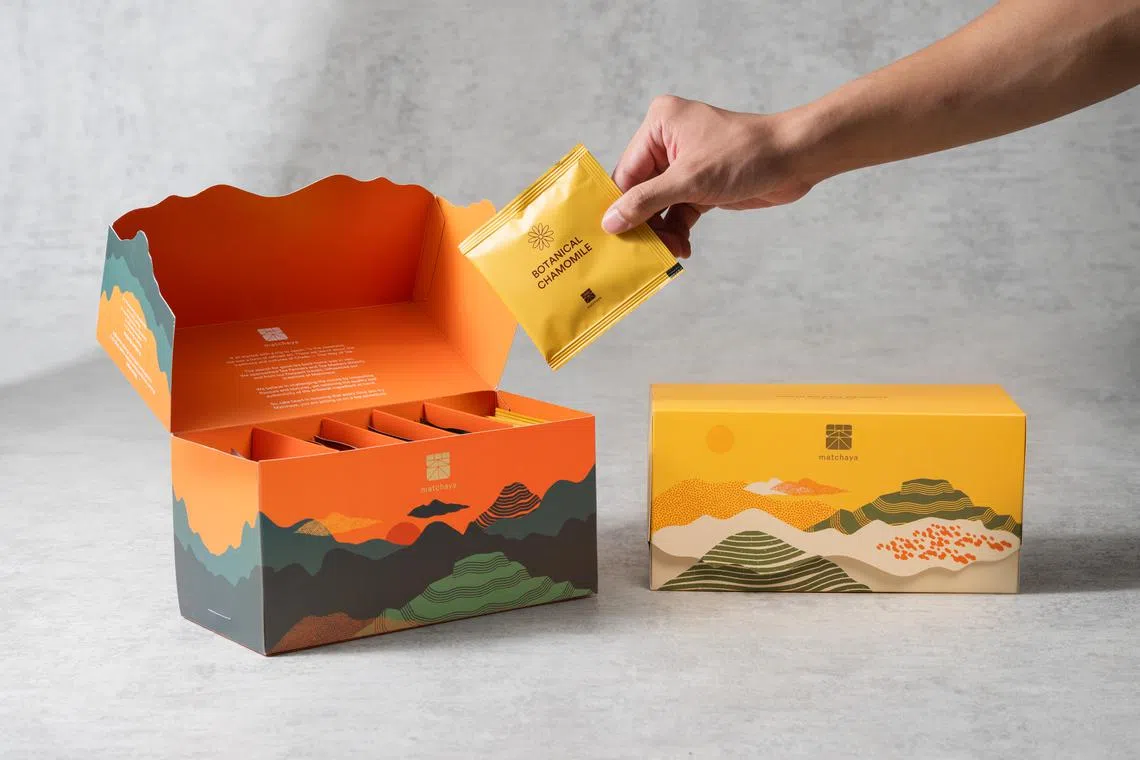
Besides consumers, Matchaya supplies a range of items to businesses too.
It sells artisanal matcha and tea products wholesale to more than 100 F&B outlets and retail stores in Singapore, as well as another 20 F&B outlets in Asia, the Middle East and the United States.
“This distribution channel came about because these (F&B) store owners could not get a good matcha supplier, and they did not understand what matcha really is,” Chee said.
To cultivate this understanding, he launched “tea appreciation” classes in Singapore in 2023. These aimed to educate business owners on the traditional way of making matcha, and raise awareness of the benefits of drinking the beverage.
They were later extended to individuals, and now he sees steady demand for them, with up to three classes a week.
Over the last decade, matcha has become a popular beverage, not least with the help of social media. But Chee is not worried that the hype will die down.
Instead of being a fad, the drink can be incorporated into everyday lifestyles. With Matchaya’s steady expansion, he hopes that the culture of drinking matcha will continue and that the beverage will be everyone’s “second cup of coffee”.