Spicing up heritage cuisine with artisanal rempah

Paige Lim
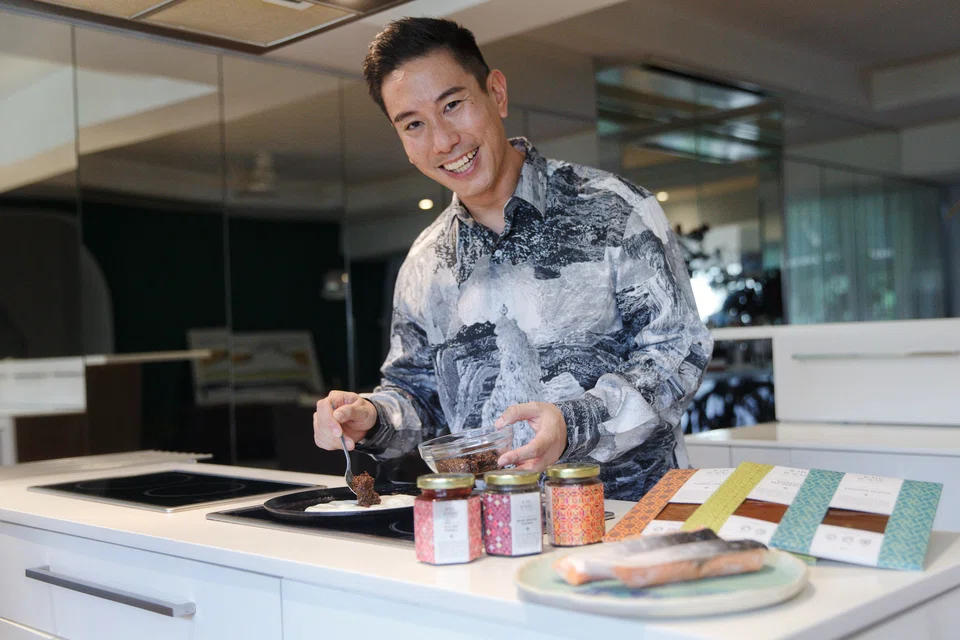
SINGAPORE’S “circuit breaker” measures early in the Covid-19 pandemic dealt a blow to many homegrown food and beverage (F&B) services – but artisanal manufacturer Batu Lesung Spice Company saw sales spike instead, as diners began cooking at home.
Founder Jeremy Nguee said the brand sold “a couple of thousands” of its spice pastes – known as rempah in Malay – and sambal each month during that period, doubling from pre-pandemic levels.
“More people started cooking at home for themselves, experimenting with recipes, and cooking became an experience rather than a task,” he shared. “If you wanted to cook simple food, was there a way to make your dishes more exciting?”
The idea for Batu Lesung was seeded 10 years ago, when Nguee was tasked with developing a Singapore-inspired menu for a restaurant in Russia. While there, he found it difficult to procure the right ingredients for the base rempah needed in dishes such as beef rendang and laksa.
“When I came back to Singapore, I realised that I wanted a high-quality spice paste that could then be used to make different dishes: (from) a seafood souffle with otak-otak spices, to a steak with rendang-style coconut sauce.”
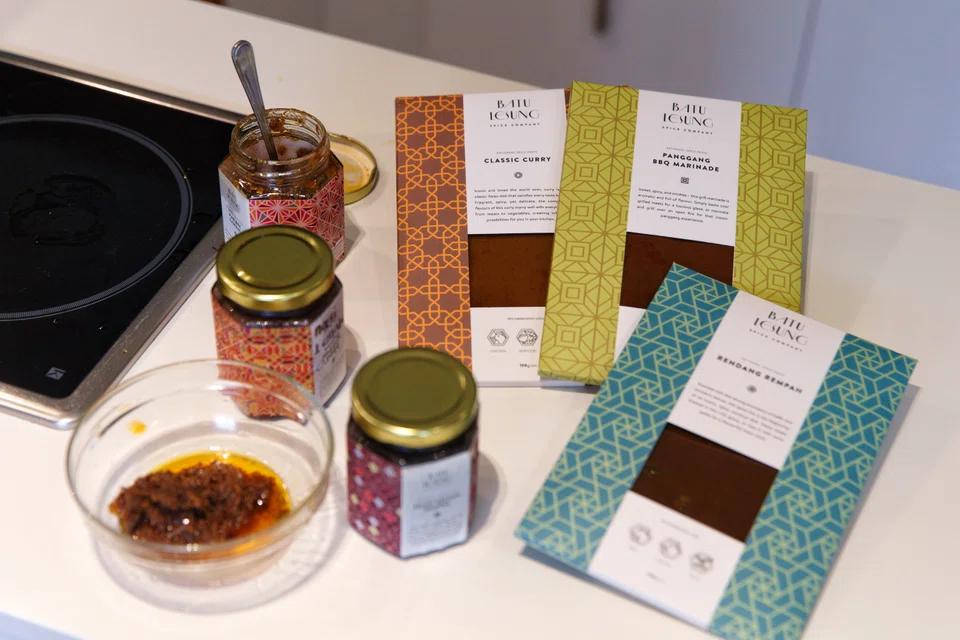
This led him to set up Batu Lesung Spice Company in 2016. Unlike most ready-made spice pastes, Batu Lesung’s products do not contain any preservatives or flavour enhancers. They can last for up to 6 months.
Besides Batu Lesung, Nguee operates catering company Preparazzi and is the co-founder of artisanal kueh maker Mrs Kueh. He is also a culinary consultant for F&B brands.
A ready market for homemade rempah
One early challenge was finding suitable marketplaces for Batu Lesung’s spice pastes. The products were first sold on the brand’s online shop, as well as at pop-ups at farmers’ markets and boutique fairs.
While ready-made spice pastes can be bought at supermarkets for S$2 a jar, Batu Lesung’s spice pastes retail from S$10 onwards for a 150 g pack. “We were very particular about our stockists … it would look very strange if we put our spice pastes beside S$2 (ones),” said Nguee.
“At that time, I was thinking to myself: ‘Who is going to buy a spice paste that costs more than double the price (of other brands)?’
As it turns out, there was a ready group of buyers – though not the one that Nguee originally had in mind.
While the chef had created the spice pastes for novice millennial cooks, they ended up being a hit with older, seasoned home cooks who wanted “higher-quality” rempah but did not want to spend hours in the kitchen making it from scratch.
About 30 per cent of Batu Lesung’s sales come from tourists purchasing the pastes as souvenirs, and Singaporeans ordering them in bulk as gifts for family and friends overseas. This can go up to 80 per cent during gifting seasons such as Christmas, he said.
As the spice pastes gained traction, they were later stocked at gourmet food distributors and shops such as Culina, Kuhlbarra, and butcher The Meatery, giving the brand a more “steady stream of orders”.
Batu Lesung has doubled its sales every year since its launch in 2016, said Nguee, though he declined to reveal exact figures. While sales have since tapered off from their peak during the circuit breaker, he expects a “big” uptake of his products with the resumption of international travel and the upcoming gifting season.
Spreading heritage flavours across the world
Today, Batu Lesung Spice Company has 6 products, comprising 3 types of sambal, and 3 rempah. The high cost of production, however, has made it challenging to scale the business in Singapore, Nguee said. The spice pastes are only produced in small batches because they are cooked for a much longer time at a lower temperature than industrially-produced pastes, to retain their original flavour.
The brand’s current growth strategy is to work with overseas F&B brands with “a very large reach” to create exclusive recipes or Singapore-driven menus using its spice pastes. Nguee is also looking for distributors in India, the Middle East and Europe to bring his products to those markets.
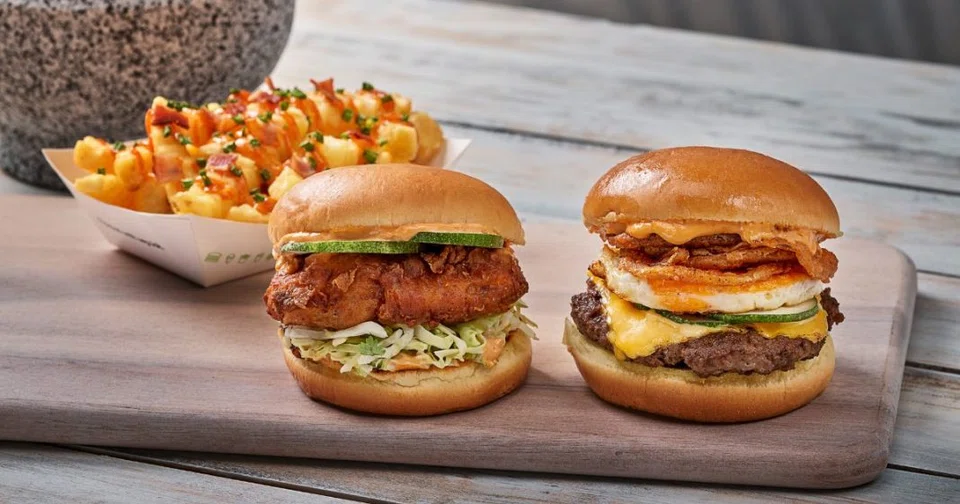
In June, Batu Lesung collaborated with fast-food chain Shake Shack on a Singapore-inspired menu, creating an exclusive sambal sauce to be used in 3 new limited-edition items: a sambal mayo beef burger, a sambal mayo chicken burger and sambal mayo fries.
“Right now, we’re focusing on developing more contemporary uses for our spice pastes beyond traditional cooking … for example, using rempah or sambal to barbecue,” Nguee said, adding that he is in talks with a few F&B clients for similar exclusive arrangements.
“We don’t want people to think of our spices as only to be used for cooking Peranakan food, Malay food, or in Nusantara cooking. It’s about giving people the tools and space to be creative in how they express their food heritage.”
This is the last of a 3-part series on home-grown gourmet food manufacturers that are making waves in Singapore’s F&B scene.
TRENDING NOW
‘My grandfather’s legacy’: Sherman Kwek lays out three-year plan for CDL to drive returns
From Haidilao to Oriental Kopi: How some of Asia’s favourite F&B players are faring in 2026
MAS allocates S$1.45 billion to five asset managers in third EQDP batch: Chee Hong Tat
Built on trust since 1964: How this award-winning finance company has grown with its SME customers