Surge in outbound travel, slowing wage growth hurting small retailers’ festive sales

Renald Yeo
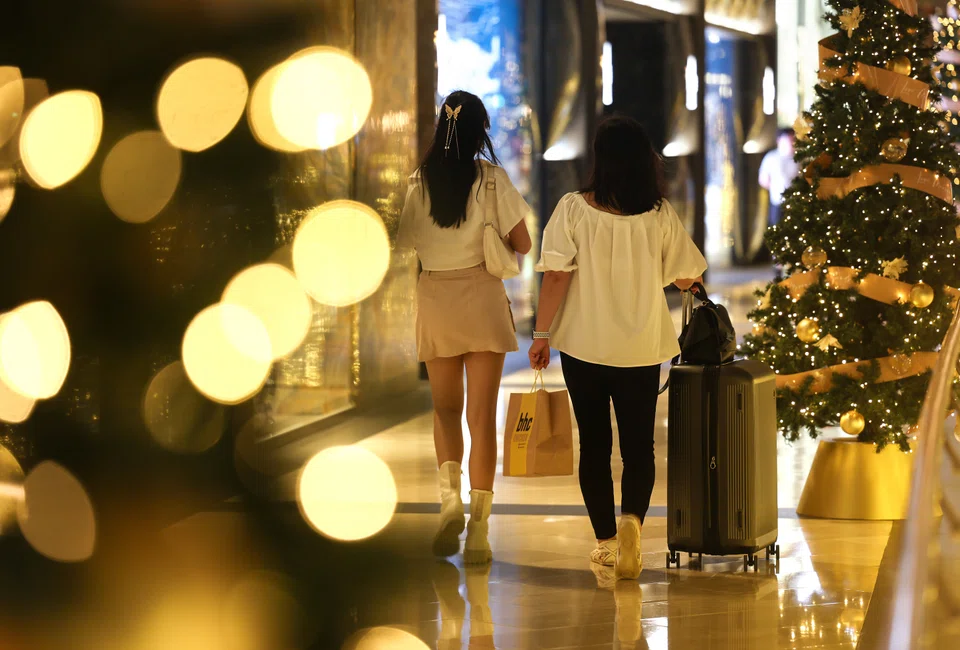
SINGAPORE’S small retailers are seeing lower festive sales this year as consumers head overseas instead, industry players told The Business Times.
Typically, retailers in malls see their sales rise from October to December, in the lead-up to year-end festivities, said Ian Cheong, director of payments service provider EPOS.
The company, which provides point-of-sale solutions, has instead seen a fall in fourth-quarter revenue for such retailers.
On average, EPOS clients’ sales were down 16.3 per cent in October from the year-ago period, and dropped a steeper 22.1 per cent in November, according to data provided to BT.
As at Dec 20, preliminary data suggested that revenue for EPOS’ discretionary retail clients – those excluding grocers and minimarts – could see a year-on-year fall of between 17.6 and 26 per cent for December.
EPOS looked at anonymised sales data from 55 local retailers in malls, not including sales from digital channels such as e-commerce.
Similarly, in an informal sentiment poll on Dec 19 by tenant group Singapore Tenants United for Fairness (SGTuff), 48 out of 58 retailers said that this year’s festive season sales are below pre-pandemic levels.
When approached, landlords of major malls declined to comment on the state of sales or footfall during this festive season.
Strong Singdollar sends consumers abroad
Increased outbound travel is the main reason that respondents cited for the dip in sales, said SGTuff chairperson Terence Yow.
There were about one million departures by Singapore residents through air and sea avenues in November, up from 741,814 in the year-ago period, according to Department of Statistics data.
The strong Singapore dollar is one likely reason for the sharp increase in outbound travel, said EPOS’ Cheong.
Coupled with relatively weaker currencies of popular travel destinations such as Japan, it means local consumers may choose to spend more – and get more bang for their buck – overseas, he added.
Cooling wage growth could also dampen spending, said DBS economist Chua Han Teng. Though there is the possibility that consumers might front-load some purchases in late 2023, ahead of January 2024’s goods and services tax hike, he sees “some signs of softening discretionary spending” in the latest retail sales figures for October.
Business expectations have also been gloomier. Chua noted that in the government’s latest business expectations survey, a net weighted balance of 18 per cent of retailers expected higher operating revenues in Q4 – down from 35 per cent in the year-ago survey.
The net weighted balance refers to the difference between firms that expect growth and those that expect contraction.
Some bright spots
Some retailers that specialise in festive gifts, however, have a rosier outlook. Eileen Town Gift Shop has seen a 10 per cent rise in revenue this festive period across all sales segments, compared with 2022.
Located in Sunshine Plaza, the shop has seen a 10 to 15 per cent increase in footfall. While most sales are to local residents, there has been a “noticeable” increase in foreign customers, said owner Eddie Yan.
Popular products include gift boxes, scented candles and candle holders. The shop has also seen a “significant increase” in corporate clients purchasing its gift-wrapping service. Sales to corporate clients make up about 30 per cent of overall revenue, with the rest from individual purchases.
For Henry Christmas Wholesaler, festive season revenue and footfall are roughly unchanged from last year. Located at Grandlink Square, the shop sells bicycles for half the year, then pivots to selling festive goods from around June to January.
In August, owner Derrick Tan had already anticipated that year-end festive sales could fall, due to more people shopping online and new competitors in the market.
“I don’t do online sales,” he added. “I believe that by looking at the physical item, (shoppers) are more confident of the product.”
To combat this expected decline, Tan began offering the usual free delivery service for bulky items – such as artificial Christmas trees – a few months earlier, and will continue to offer this for longer than usual.
While this has meant more logistics costs, Tan thinks it has served as an incentive for consumers and kept sales steady, as sales might have fallen otherwise.
“No doubt the sales do not vary that much (from last year), but the profit margin is very slim this year,” he added.