Telling the Singapore story through treats, tours and textiles
Haig Road Putu Piring, Everyday Tour Company and YeoMama Batik share Singapore’s heritage in modern forms



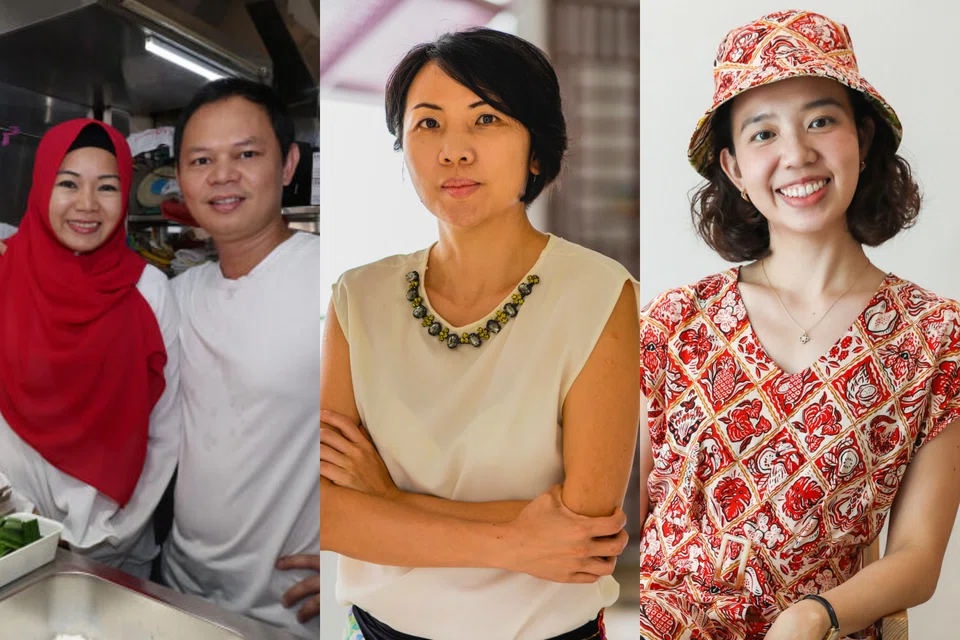
Haig Road Putu Piring: From hawker stall to Shangri-La
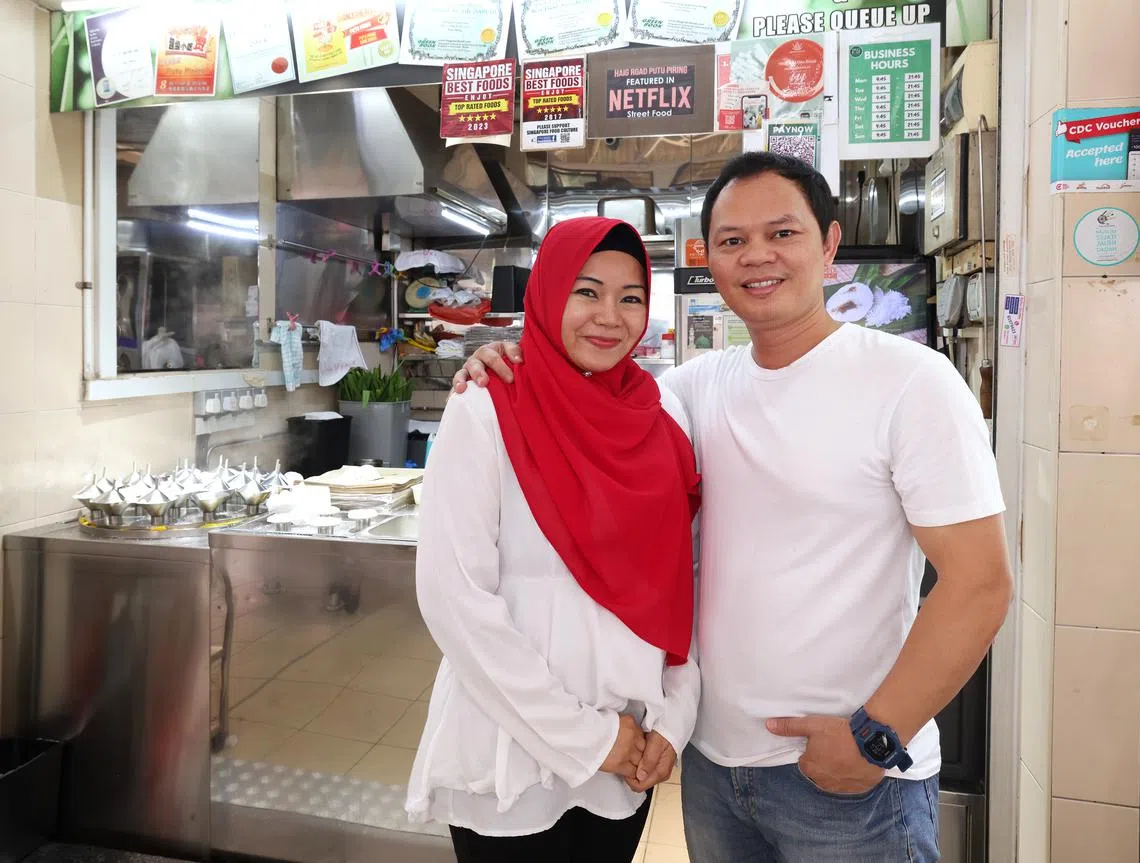
Once just a humble food stall in Jalan Besar, Haig Road Putu Piring now boasts seven outlets across Singapore – and hopes to take its kuehs abroad.
This expansion happened under fifth-generation owner Aisha Hashim, who has helmed the nearly century-old family business for almost 20 years.
The original stall was founded in the 1930s. When the 41-year-old unofficially took over in 2007, she did not have big ambitions.
“Frankly speaking, when I took over, I only intended to have one outlet of my own and one for my parents,” she said. The family opened only one other branch in 2012 – the company’s namesake in Haig Road.
But as the business grew, Aisha started to dream bigger, with encouragement from her husband. In 2015, the business attained a licence to operate a central kitchen in Bedok and a third outlet at Geylang Serai Market.
“When we had three outlets, my mind started to expand,” she said. In 2018, Haig Road Putu Piring made its first foray into shopping malls, with an outlet in East Village along Upper Changi Road.
“We tried that out and business was good,” she said. The outlet even survived the pandemic – unlike its fourth outlet in an Ang Mo Kio coffeeshop, which shut because of Covid-19.
Having gained the confidence to open bigger outlets, Haig Road Putu Piring ventured outside the east of Singapore with outlets in Northpoint City in Yishun and Nex at Serangoon.
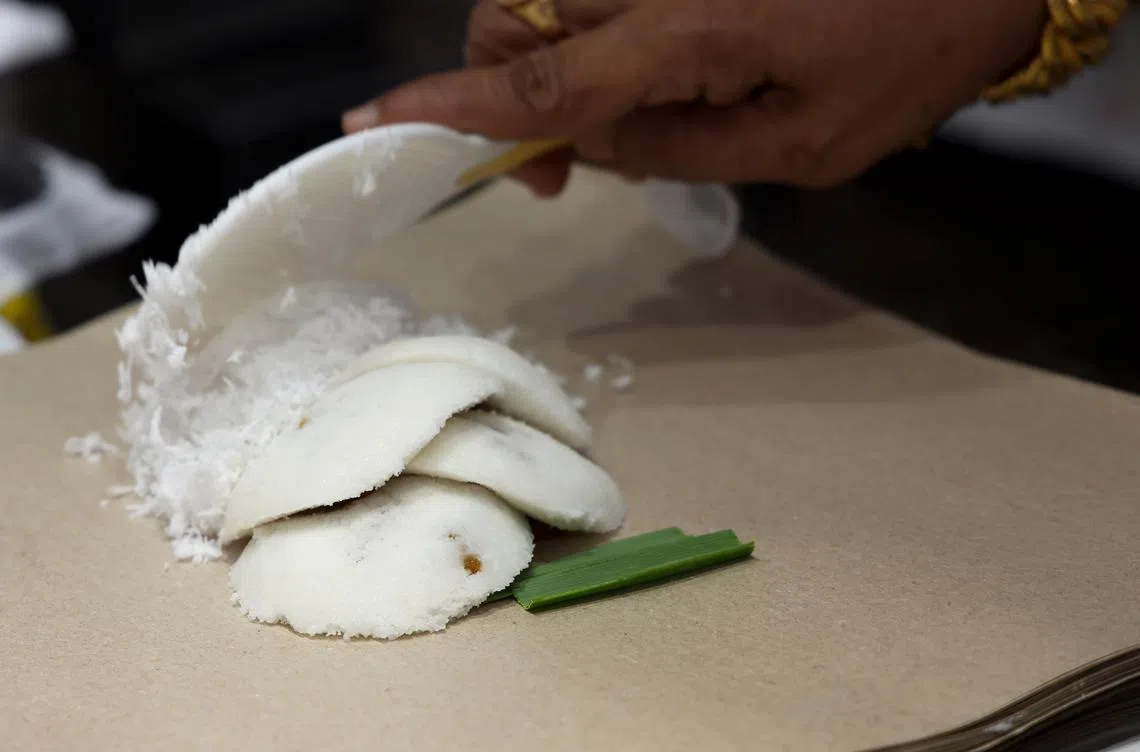
Aisha intends to open an outlet in the west, where the company has no presence yet. But there are no plans for further outlets after that, as walk-in sales have slowed this year. Revenue has plateaued since reaching S$1 million in 2018.
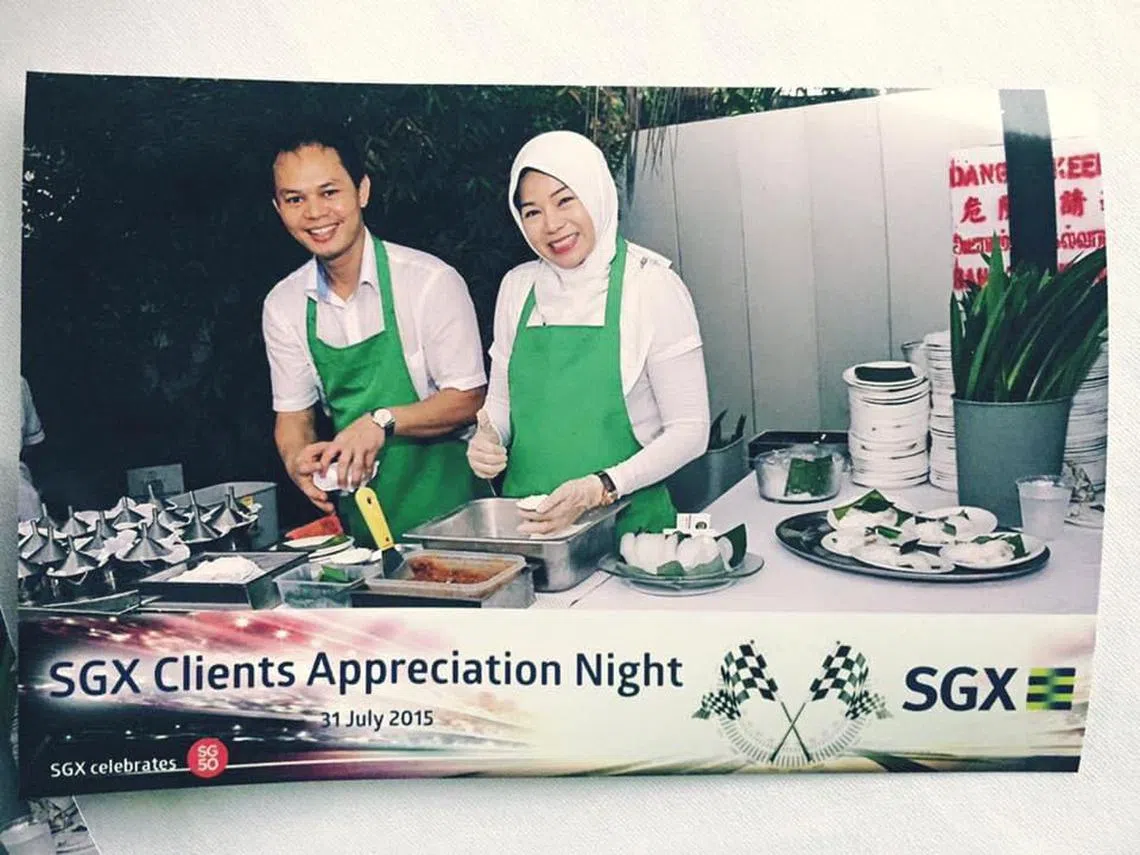
Instead, the focus is on increasing revenue from catering, which started in 2015.
Having live putu piring stations at big events or venues can help to get the word out about the business, said Aisha. “Because if I were to just stay in an outlet, not many people come by any more.”
Haig Road Putu Piring has focused on weddings and one-off corporate events so far, and had ad hoc collaborations with The Westin and Ginger Restaurant at ParkRoyal on Beach Road. Now, it is aiming for more long-term partnerships with hotels and schools.
It currently has two such partnerships, with Shangri-La Rasa Sentosa – where the live station is part of the buffet once a week – and Marina Bay Sands (MBS).
Aisha is also in talks with partners in Malaysia, with the hope of eventually selling the company’s putu piring there.
Till today, Aisha is still surprised by how far the business has come since she took over. One achievement of which she is most proud is attaining the certifications needed to serve MBS.
“A lot of catering businesses want to enter MBS... but it is not easy,” she said. “Because every year you need to file various certificates. If you do not qualify, they just won’t accept you.”
Everyday Tour Company: Pandemic pivot results in new business model
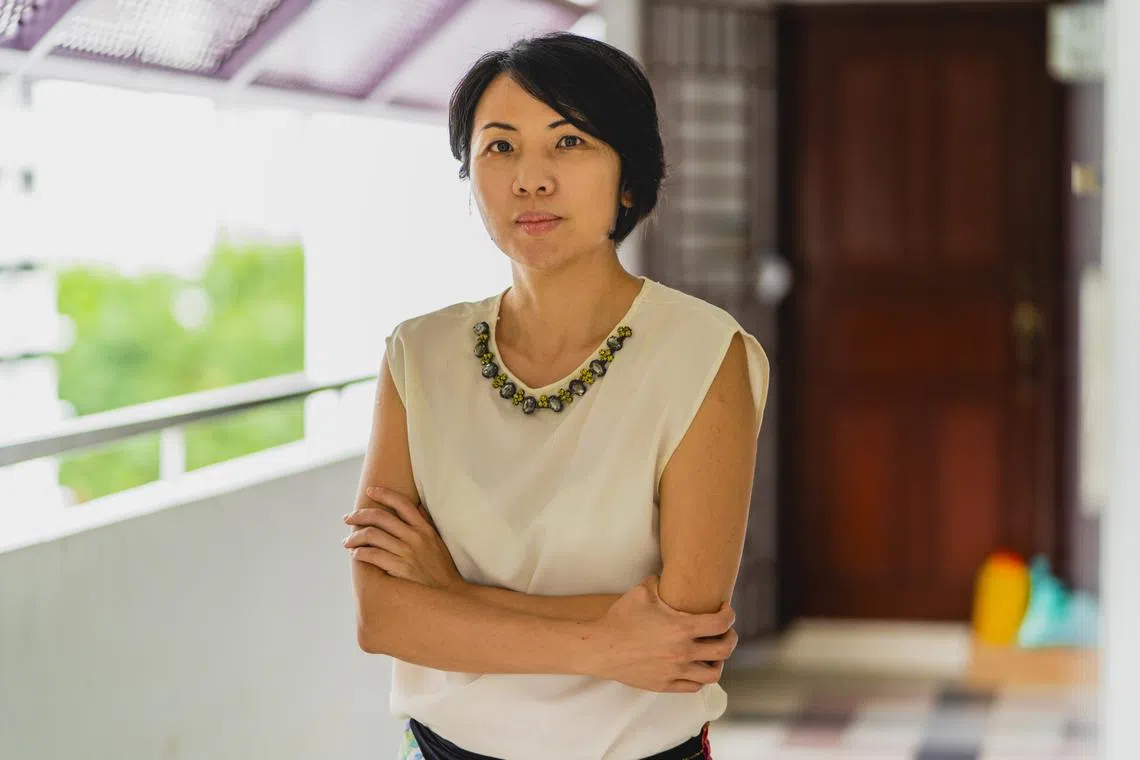
The Covid-19 pandemic brought tourism operations to a halt when global borders shuttered in 2020 – but stopgap measures taken by the Everyday Tour Company have since become its new business model.
“It was really a real shocker because you never imagined that Singapore would close,” chief executive Yeo Pei Shyuan told BT.
Before Covid-19, the Everyday Tour Company held food, art and architecture walking tours for small groups of tourists.
But when strict movement restrictions made this impossible in early 2020, Yeo had to pivot the business – or close for good.
Her decision to offer virtual tours unlocked a new pool of customers, and now accounts for the majority of sales.
“We were one of the first to do virtual tours,” Yeo recalled. Their first offering was themed after the Crazy Rich Asians movie, showcasing iconic Singapore sites featured in the film.
The 2018 movie, which put Singapore in the global spotlight, was still “fresh in people’s minds” then, with most of the remote participants tuning in from abroad, said Yeo.
Following that success, Yeo introduced the “Boozy Rich Asians” virtual mixology class in 2021, including the boozy concoction most synonymous with Singapore: the Singapore Sling.
Participants were mailed cocktail supplies – from alcohol to juices – in advance, before tuning in to the class and learning to mix drinks.
This class found a new audience: corporate clients, who used it for team bonding. Each class typically had 50 to 80 participants, with more than 100 sessions in 2021 alone.
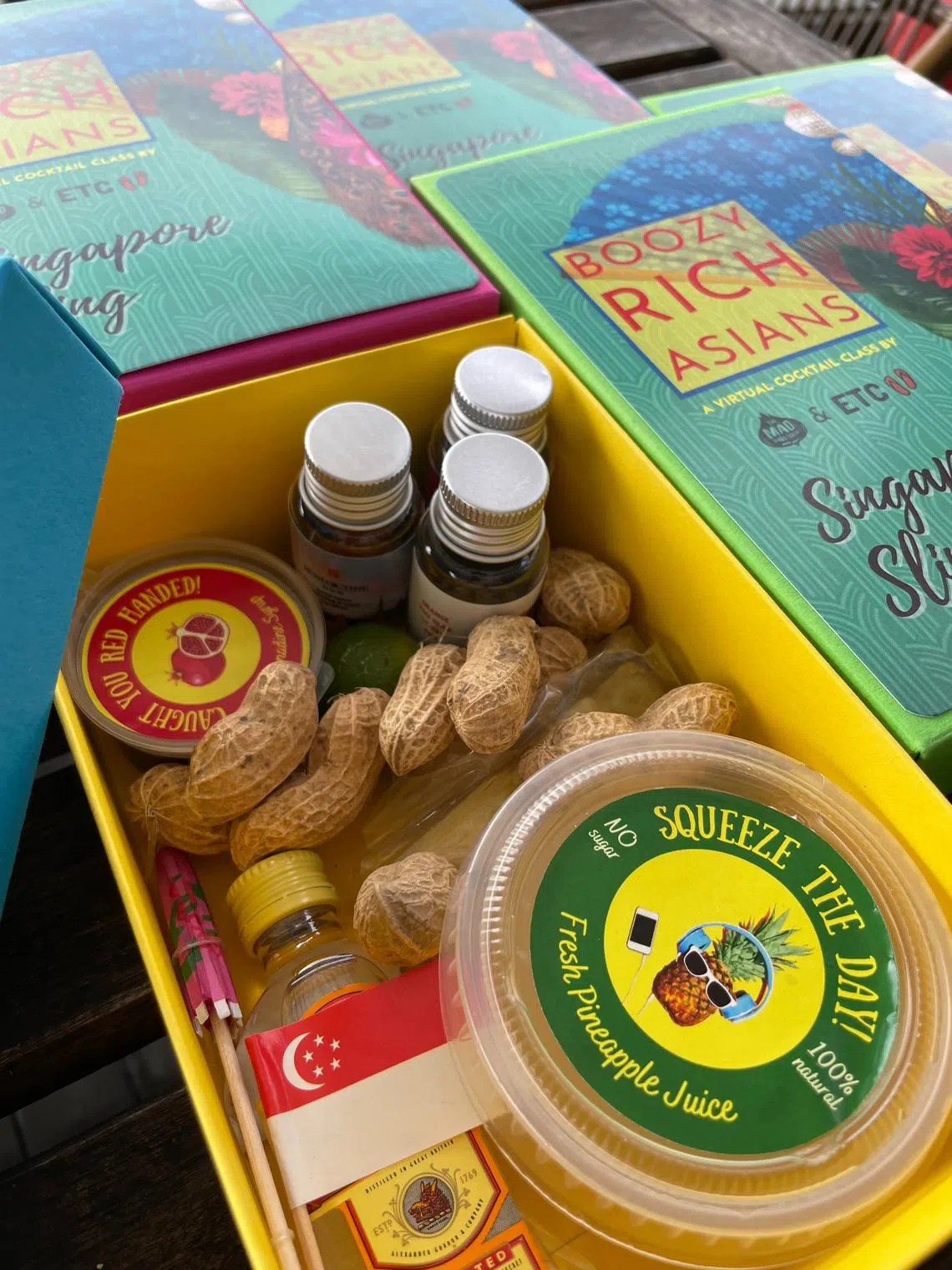
“There was so much demand; companies wanted to do team building, workshops,” she recalled. “That’s how I learnt the power of corporate sales, and we had requests from all over.”
Today, corporate sales form up to 70 per cent of overall sales. The rest comes from food, art and architecture walking tours, targeted at high-net-worth individuals and families.
These “more discerning” clients typically have deeper pockets, which translates into higher margins, Yeo said.
The company runs on a lean workforce, with five to six tour guides working on a contract basis. Yeo aims to double this headcount in the next three to five years.
She is the only full-time employee, with most corporate functions – such as digital marketing and accounting – outsourced to third-party providers.
A former management consultant who also gained Le Cordon Bleu certification, Yeo founded the Everyday Tour Company in 2018.
The company has been profitable in every year of its operations, even through the pandemic period. Revenue has grown by 20 to 30 per cent each year, on an annualised basis.
Thanks to sustained demand from corporate clients, revenue is expected to grow 50 per cent year on year in 2024, Yeo said. “We’re on our best year ever.”
YeoMama Batik: Durians and lions on a dress – wearing the Singapore identity
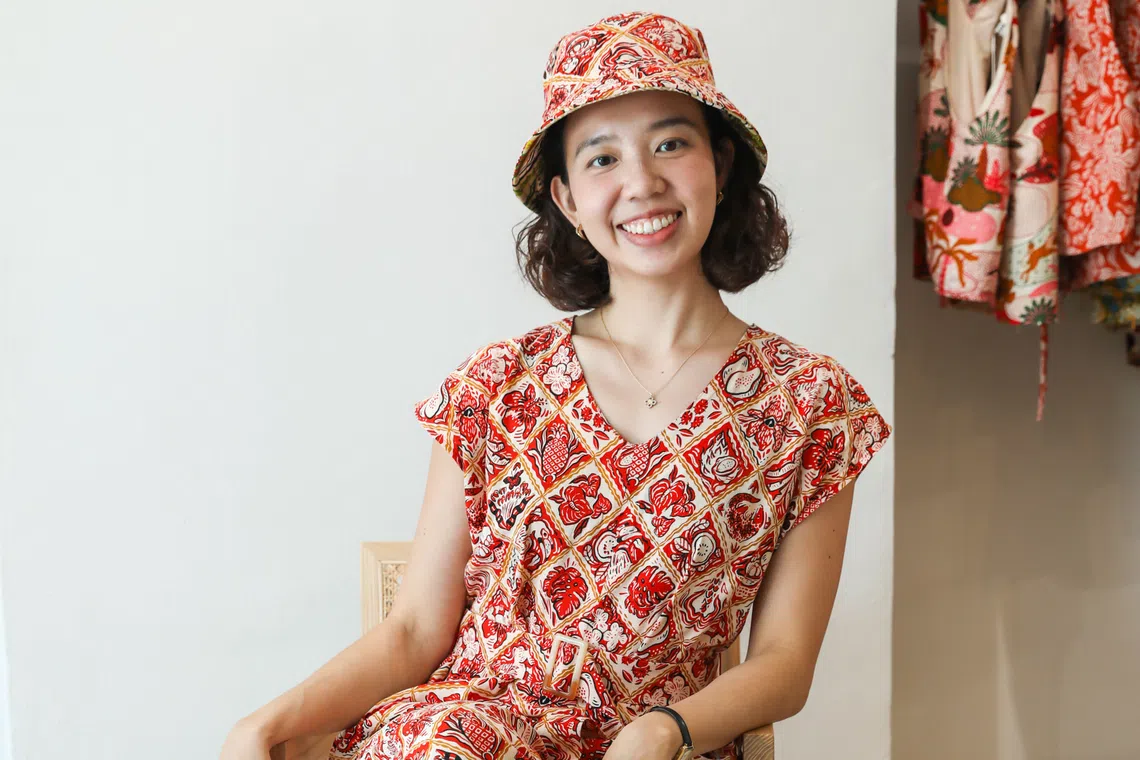
Multi-ethnic Singapore has no single national costume, but perhaps batik comes close. Traditionally a Javanese textile, batik arrived in Singapore centuries ago.
Today, it is often a formal outfit of choice for politicians and businessmen, and famously donned by the crew of Singapore’s flagship airline.
Yet, what distinguishes Singapore batik from regional versions? Desleen Yeo, who founded YeoMama Batik in 2018, creates prints that tells the Singapore story.
“A lot of people’s impression of batik is probably what the cabin crew are wearing,” she told BT at her studio in Oxley Bizhub. “But for us, we want to interpret it in a modern way.”
This goes beyond simply being “red and white” or featuring orchids.
This year’s National Day prints, for instance, feature tropical fruits such as papaya, pineapple and durian, as well as lions, palm trees and Peranakan tiles.
These designs were created in collaboration with a Vancouver-based artist who goes by the name Arty Guava, who spent nearly a decade in Singapore and now misses its fruits, assam paste and the weather.
Said Yeo: “Talking to her makes us realise that actually, these are things probably we are taking for granted. So, why not turn this into our prints, instead of the very safe orchid as a representation.”
The batik is made into a variety of clothes, including dresses, jumpsuits, crop tops, shorts and men’s shirts.
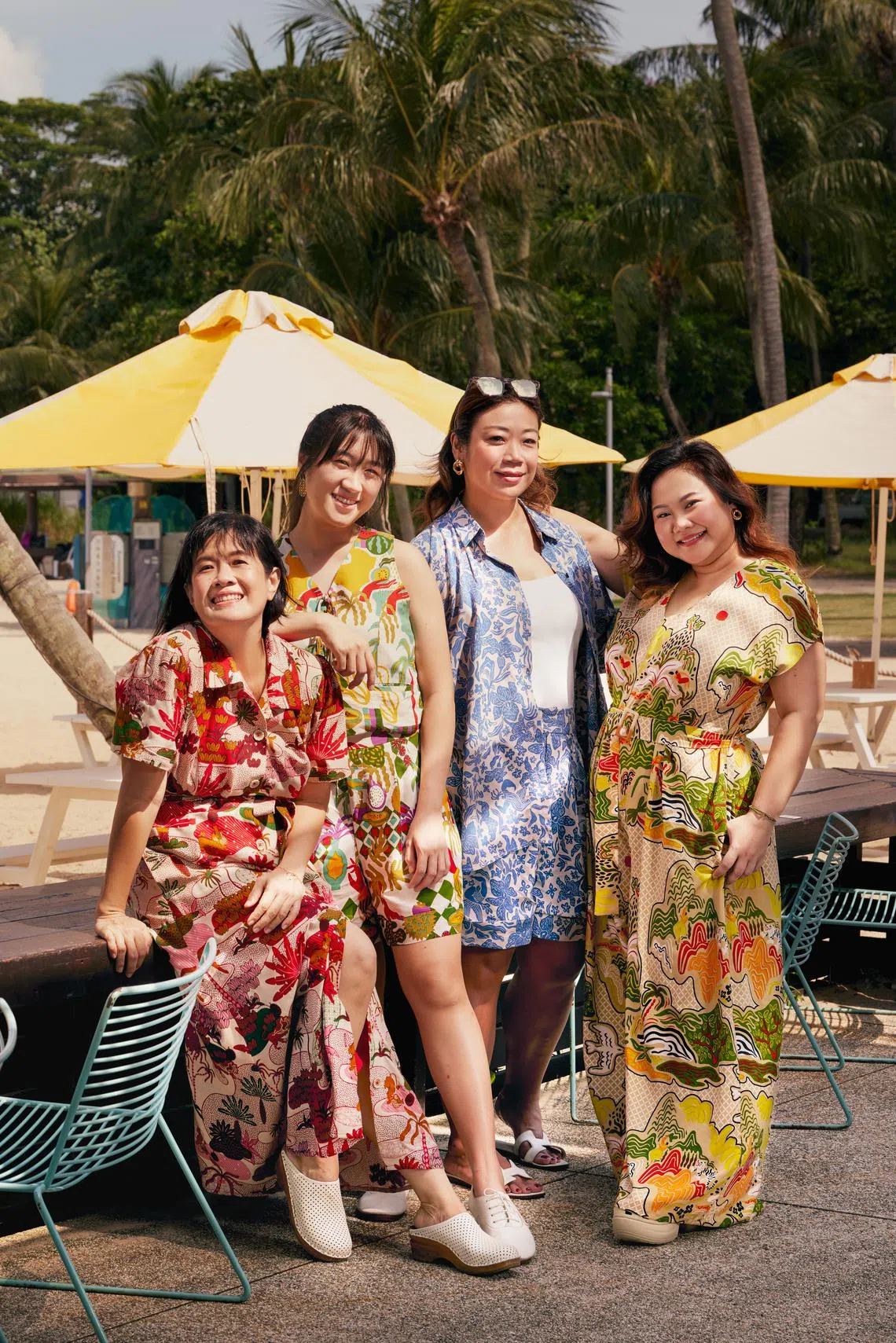
Yeo said the clothes appeal to women aged from their late 20s to 60s, thanks in part to suggestions from her mother, whom the brand is named after.
“She always tells me, can I stop doing all these short shorts, sexy sleeveless whatever, because what she wants to wear might just be a simple A-line dress, something simple yet classy and effortless,” she said with a laugh.
Yeo also credits her Indonesia-born mother for the idea of a batik business.
In the year after quitting her job in events management in 2017, Yeo tried out various part-time jobs, then tried business ventures such as T-shirt printing, importing personal karaoke booths and starting an activewear line – but none of them panned out.
Then her mother – holidaying in Yogyakarta – called home and asked if she wanted to sell batik.
Within a month of launching a collection for Chinese New Year in 2018, the company turned a profit. This was put into the rental and renovation of a space in Jalan Pelikat, where YeoMama was based for one-and-a-half years before moving to its current studio.
Yeo now plans to open a retail outlet in a more central area such as Orchard or River Valley, and hopes to expand to Kuala Lumpur next.
She never imagined she would manage a batik business, as she disliked batik as a teenager, believing it to be old-fashioned.
Now though, she sees it as an art form, and appreciates the patience and hard work that goes behind creating the craft.
“I feel like it’s something that, as Singaporeans, we could embrace... and infuse... into our daily lives.”