Two army buddies, one ‘all-or-nothing’ bet on fruit-based beverage maker Doki Doki
In the post-Covid era, the company focuses on its own brand, grows revenue eight times and builds Vietnam factory to treble capacity

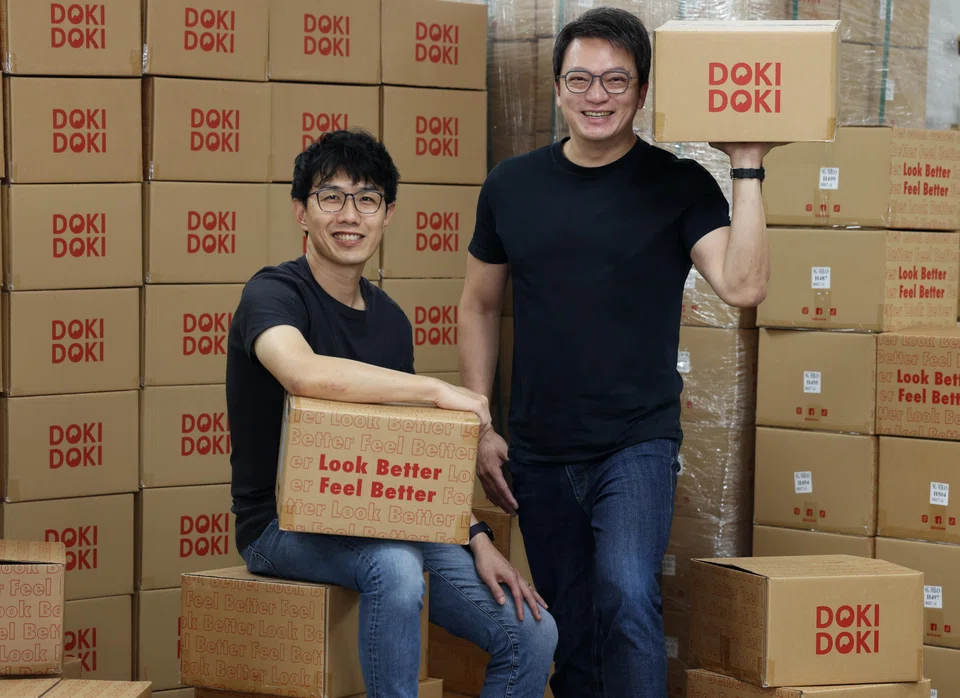
[SINGAPORE] Alex Goh and Bryan Low have spent more than two decades talking each other into difficult undertakings.
They met as officer cadets during National Service and remained close friends, later becoming running and cycling companions. Among their adventures was a 1,100-km bikepacking journey through China that was completed in 10 days.
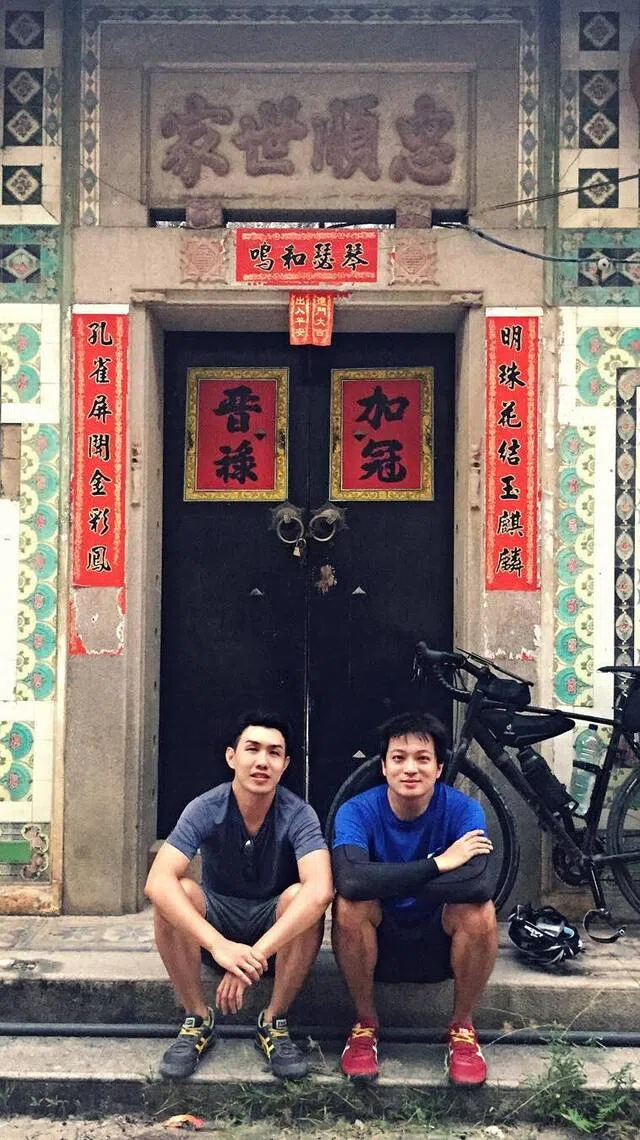
“When we go bikepacking, we only book the ticket in and the ticket out,” Low said.
“We figure things out along the way,” Goh added. “We see life as an adventure.”
That outlook shaped their most consequential undertaking.
While scouting Vietnam for business ideas in 2017, Goh came across a manufacturer in the Nhon Trach district of Dong Nai province that turned real fruit into puree without using concentrates.
When he showed the product to Low, his friend suggested packing it into sachets that consumers could mix with water.
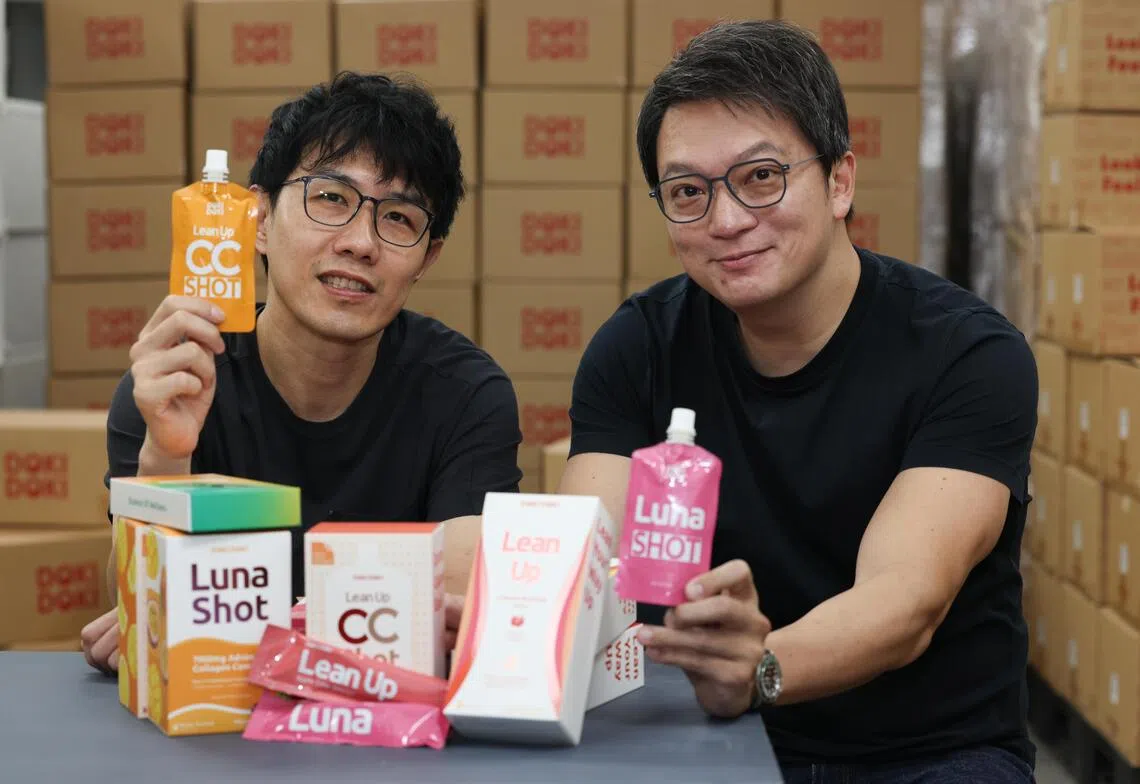
The idea became Doki Doki, a Singapore fruit-based wellness drinks company. Goh, who lived in Japan for five years from the age of 10, said that “doki doki” is Japanese onomatopoeia for a pounding heart, chosen to evoke anticipation.
Neither man had experience in food manufacturing. They learnt as they went.
Goh, who worked as a technology marketing manager at Microsoft, later took a course at Singapore Management University to understand the fundamentals of nutrition and wellness.
He now leads the 20-strong Doki Doki team full-time as chief executive.
Low remains involved in strategy, business development and the company’s broader direction, alongside his work in banking and academia. They were joined by Goh’s former Microsoft colleague Joyce Huang, who came on board as a third co-founder. She handled marketing, but later left the business.
In the early years, the founders developed products, packed orders and made deliveries themselves. Goh and Low eventually invested at least S$600,000 of their own money.
“Most of what I earned from my day job, I pumped back into the business,” Low said.
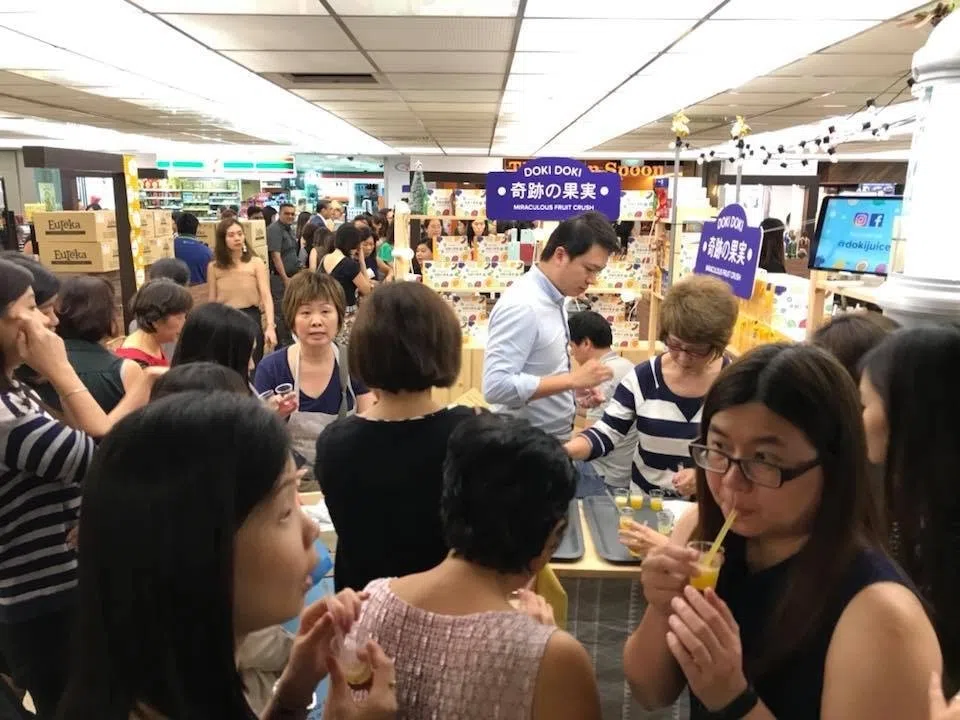
Doki Doki tested the market with five instant juices at a Raffles Xchange pop-up in December 2017.
Following a positive response, it formally launched in January 2018 with four reformulated drinks, pairing fruits such as blueberry, passion fruit and soursop with superfood ingredients including acai, camu camu and chia seeds.
The range later evolved towards products targeting areas such as skin health, energy and weight management.
A Covid reset
Doki Doki secured its first major export deal in China in 2019 through one of Low’s banking contacts. Deals in Hong Kong, Malaysia and the Middle East followed, with the company entering the United Arab Emirates through distributors.
“Up until 2019, our journey was quite smooth,” Low said. “Then everybody had the Covid surprise.”
The pandemic disrupted its export markets, prompting Doki Doki to shift towards direct online sales in Singapore. Its Vietnamese contract manufacturer then said it intended to close, as Doki Doki’s reduced orders and its other customers were not providing enough business to sustain the plant.
Unable to afford to buy the plant outright, Doki Doki took over the manufacturer’s operations and payroll in July 2021 rather than move production elsewhere.
Goh said that the company’s increasingly specialised formulations and processes made greater control over R&D and manufacturing important.
About a week later, Vietnam entered a severe lockdown. Factories could operate only if workers remained onsite, but the company had yet to build trust with its new employees and no one initially reported for work.
Goh used Google Translate to contact them individually, explaining that a prolonged shutdown could force the operation to close. He eventually persuaded six core employees, including production supervisors and quality-control staff, to return – enough to restart the line.
The episode prompted Goh to learn Vietnamese. The six core employees remain with Doki Doki today.
Going “all or nothing”
Taking over the plant forced Doki Doki to choose between manufacturing for outside customers and building its own brand.
One major prospective client had spent almost a year auditing the factory and was close to signing a contract. Doki Doki pulled out because servicing other companies would divert resources from developing its own products and e-commerce business.
“It was a very tough decision,” Goh said. “We said: ‘All or nothing.’”
The company stopped taking on original equipment manufacturer (OEM) work and dedicated the plant to its own products.
He added that the company turned profitable around 2023, after coming close to breaking even before the pandemic. Revenue grew eight times between 2022 and 2025, equivalent to a compound annual growth rate of about 100 per cent.
Most of its sales are now online, supported by digital advertising, social media and livestreaming, with Watsons as its sole physical retailer for now.
Asked why Doki Doki is not sold through more physical retailers, Goh said: “The real reason is cost. The cost is crazy.”
Retailers take a share of sales. Promotions, displays and frequent replenishment add further costs. Concentrating on one chain also allows Doki Doki to build its ability to handle retail volumes before expanding further.
Building for the next phase
Growth brought repeated stock shortages, prompting Doki Doki to stop exporting for now despite continuing to receive overseas enquiries.
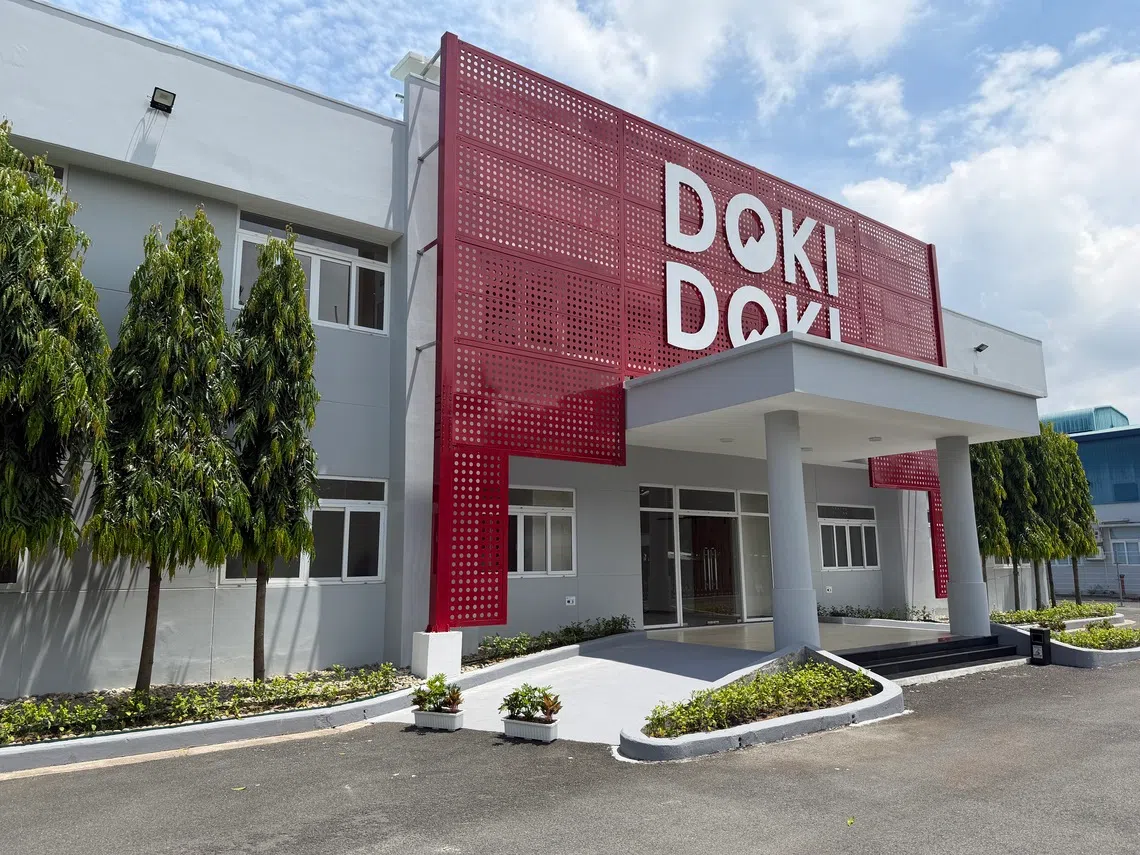
The company is preparing to begin production at a new leased factory spanning approximately 59,000 square feet in Long Thanh, in Vietnam’s Dong Nai province.
Goh said that the company chose to expand in Vietnam rather than Singapore or nearby Malaysia as the proximity to fruit matters more than proximity to home.
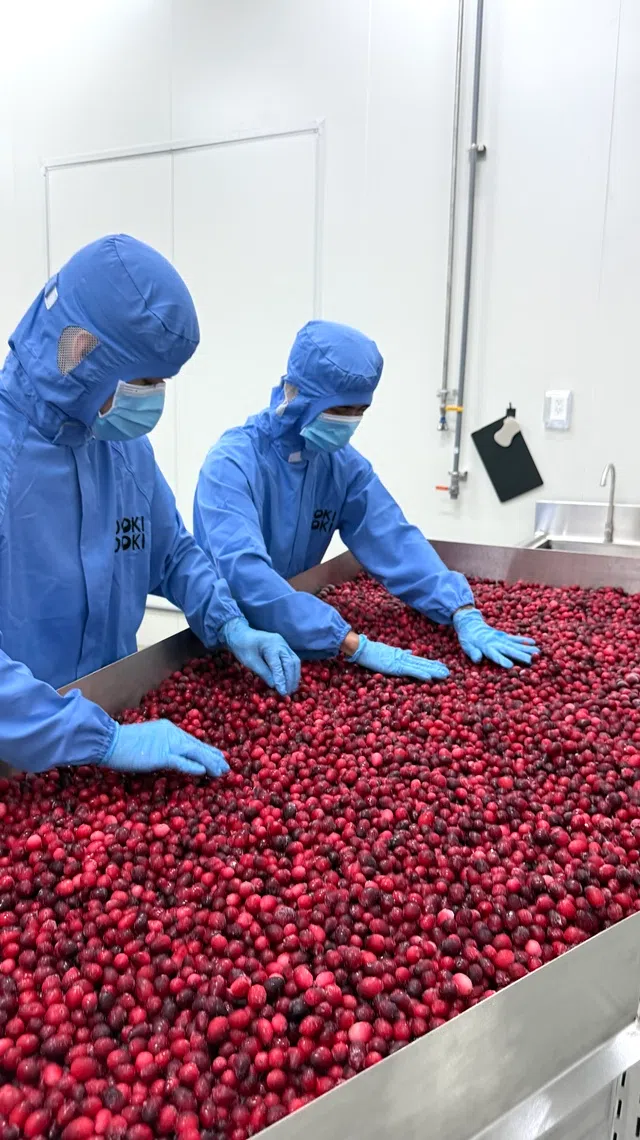
While Doki Doki imports some of its fruit, he said Vietnam gives the company access to tropical produce in the south and varieties grown in cooler climates further north. Processing locally grown fruit near its source also reduces transport costs and spoilage. (*See amendment note)
With some fruit, the usable yield can be low. Less than half of every 1,000 kg of passion fruit purchased, for example, may ultimately go into production, after the skin and other unusable portions are removed.
Harvests can also differ in flavour and quality, making close relationships with growers important.
“Alex had to marry the farmers just to secure supplies,” Low joked.
Unlike the original plant, which served various OEM customers, the new factory was designed around Doki Doki’s products.
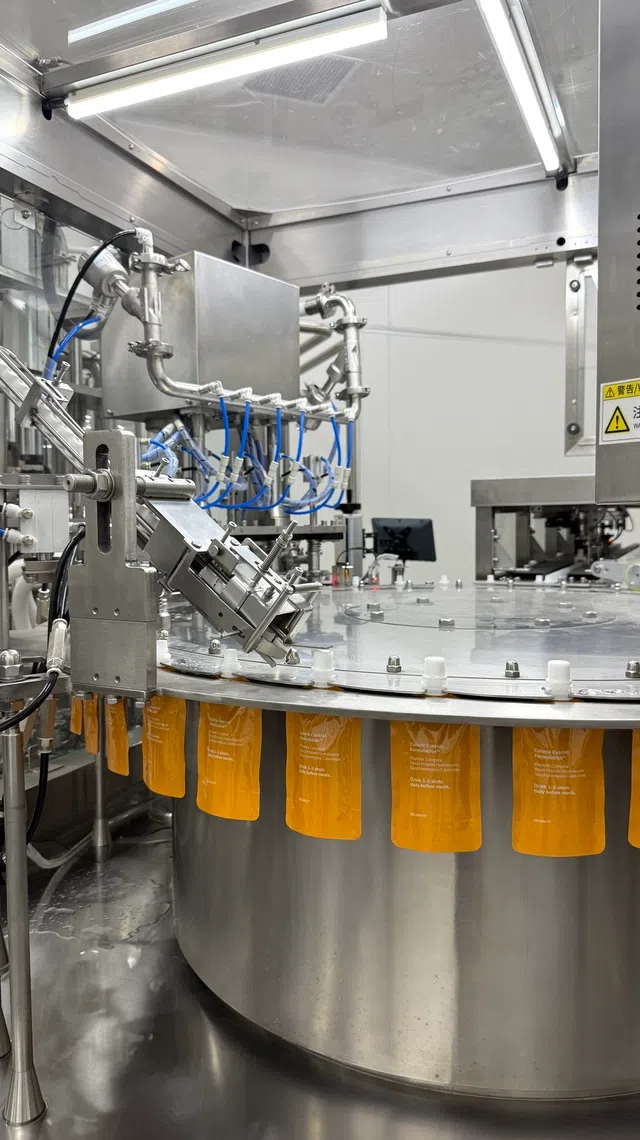
It will have about three times the company’s current production capacity, supported by customised filling equipment and digital systems to monitor inventory and production conditions.
Fruit preparation remains labour-intensive. Doki Doki works with more than 20 types of fruit, each requiring different handling and making a single processing machine impractical.
Machinery testing has been completed, with Doki Doki now working towards the required International Organisation for Standardisation and halal certifications before beginning commercial production.
The additional capacity will primarily support the brand’s overseas expansion, while giving it room to take on selected OEM work.
Asked whether they ever considered giving up, Goh replied: “Many times. Many, many times.”
Yet, both men remain drawn to the difficult path. Low offered an outlook shared by Goh: “The day you die, you look back on your life – that is the life you lived.”
Amendment note: The article has been edited for clarity.