


Upcoming GST hike is just part of wider inflation woes: businesses
Chelsea Ong
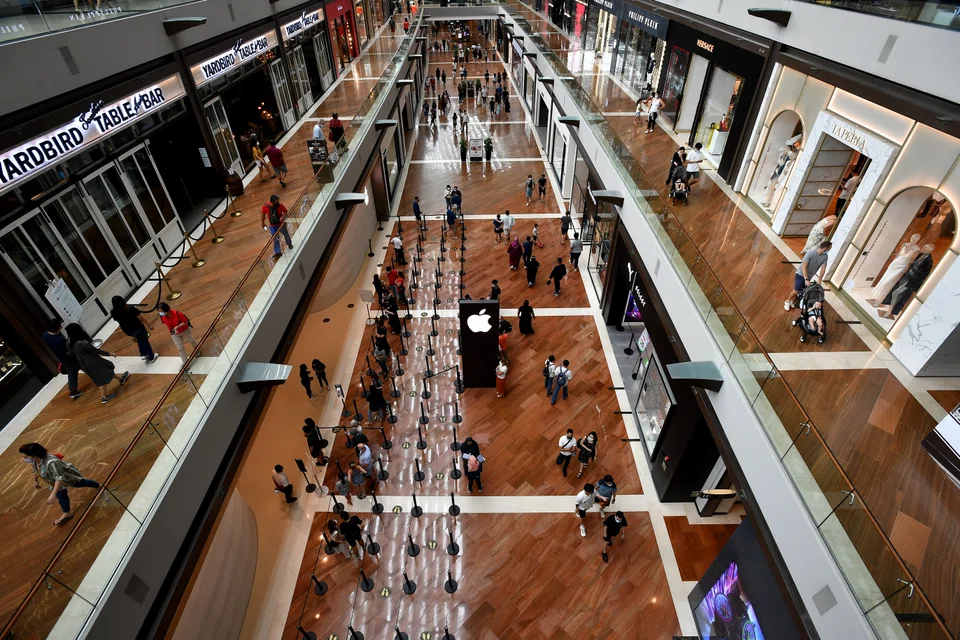
THE upcoming goods and services tax (GST) hike will have a limited stand-alone impact, as it is merely part of wider cost pressures that businesses have been facing, companies told The Business Times.
This backdrop of rising costs also makes it likely that companies will pass the GST increase on. Yet even if prices are raised, some businesses may see increased demand as consumers switch to more affordable alternatives.
On Jan 1, the GST is set to rise 1 percentage point to 8 per cent. But headline inflation for 2023 is already forecast at between 4.5 per cent and 5.5 per cent, before taking into account the GST hike.
Adrien Desbaillets, co-founder and chief executive officer of salad chain SaladStop!, said that this broad inflationary environment means that the GST hike’s effect will not be that apparent.
“Given that (the hike) is part of the overall picture, it’s not a significant increase. So we looked at it in totality, and that’s how we looked at our pricing increase for this year and next year as well,” he said.
On the technical front, Association of Small and Medium Enterprises vice-president Ang Yuit does not expect the hike to cause problems for GST-registered businesses, apart from initial adoption issues such as claims for the wrong amount.
However, companies that are not GST-registered will need to consider the impact on their costs, he added: “They may overlook the fact that a 1 per cent increase may impact them quite a bit, so they may want to really consider registering themselves for GST.”
Businesses need only register for GST if their taxable turnover is more than S$1 million at the end of the calendar year, or expected to be more than S$1 million in the next 12 months.
But they may also voluntarily register, in order to claim GST on the raw materials and supplies that they buy as well as charge GST to customers.
“Two percentage points (increase) is really substantial, especially when coupled with the fact that costs are increasing,” said Ang. The GST will rise another percentage point to 9 per cent on Jan 1, 2024.
“It’s really this group we want to look at because ultimately, they may end up being squeezed in the middle.”
Rising costs
Firms are already being squeezed by other costs. Many food and beverage outlets, for instance, have seen significant increases in manpower and supply costs.
Yum Cha Restaurant has increased staff wages by about 20 per cent to 30 per cent over the past two years, said Melody Tan, deputy director of the dim sum restaurant.
Dian Xiao Er has not only seen rental increases of up to 5 per cent a year, but also a rise in duck and seafood prices by about 20 per cent over the year, said Samuel Yik, managing director of the Chinese casual dining restaurant chain. With revenues having recovered to pre-Covid levels, businesses will need to shift from a growth mindset back to controlling costs, said SaladStop!’s Desbaillets.
Ang said that businesses are unlikely to absorb the increase in GST for customers, as they are still trying to adjust to rising supply chain costs.
“If it was purely just a GST rise without the Covid situation, I think you may see companies absorbing it as an adjustment measure,” he said. But given the rising cost environment, there is a lower chance of firms competing on price, he added.
The good news is that consumers may take the hike in their stride. While there may be “some pullback” from customers in the short run, this may calm down within three to six months, Ang said.
James Quan, founder of stationery and leather crafts label Bynd Artisan, said that with the higher GST here to stay and a second hike on the way, customers are not likely to hold back on spending in the long term.
For some businesses, there is even a potential upside to the hike: gaining customers who are trading down. As an “affordable luxury” brand, Bynd Artisan may gain a new pool of customers who are cutting down on bigger-item spending, Quan said.
Similarly, Dian Xiao Er might gain customers who switch from fine dining to casual dining, said Yik.
With Chinese New Year falling in January next year, some businesses are also hopeful that festive demand may prompt customers to loosen purse strings. Quan anticipates a knee-jerk reaction from customers that could mean a short-term demand dip, but added that Chinese New Year gift purchases may mitigate this somewhat.
Angelina Lau, group general manager of retail chain SK Jewellery Group, said that January is typically quieter because it is just after the year-end festive season. But with an earlier-than-usual Chinese New Year in 2023, she is optimistic that customers will be incentivised to make purchases for the approaching festive season instead. (*see amendment note)
Tan of Yum Cha Restaurant pointed out that with Covid restrictions lifted, people are still likely to want to dine out for reunion dinners despite higher prices.
“People really want to go out and enjoy themselves with their family,” she added. “They’ve been cooped up at home for too long.”
*Amendment note: An earlier version of this story wrongly reflected SK Jewellery Group’s Angelina Lau’s name.
TRENDING NOW

Singapore expects all parties to honour commitments, says PM Wong after Indonesia cuts gas exports

Gas Supply may pursue remedies if contract breached following Indonesia’s export cuts: Tan See Leng

SoftBank’s Son plans US$50 billion Malaysia tech outlay: Anwar Ibrahim

Is Manila Asia’s new dining hot spot?

