


Using the product return process to bolster customer loyalty
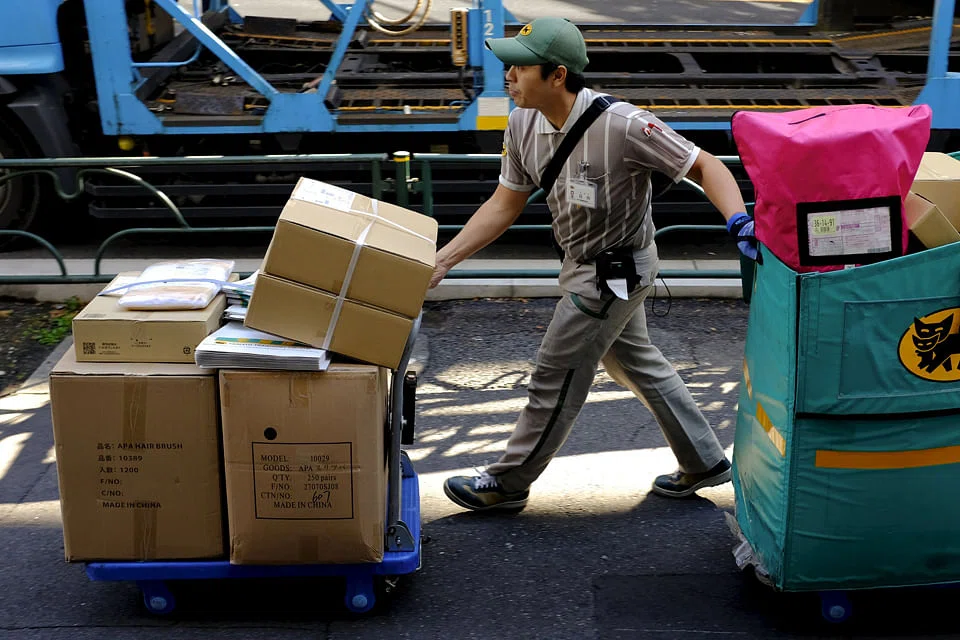
SO, Christmas and Chinese New Year have been and gone. The period that follows is typically when retailers see an increase in customers making product returns. During such busy periods, businesses are tested to see how well they fare in managing this, and trying to convert less-than-happy customers into satisfied or even loyal customers. Putting in place a strategic approach to handling product returns is crucial for businesses which want to maintain their own sanity, and their customers' as well.
Is this happening to you? If so, here are some tips to enable your company to ace the "product return season" or improve for next year.
Customers typically return a product when it is not what they had expected, the fit is not right or the product was damaged during shipping, scenarios that have been increasing due to the increase in online shopping. Businesses can try to reduce the chances of a product return by including several high definition photos of the product on e-commerce platforms, zoom and rotation features and sizing charts, while improved packaging can help to prevent damage.
Typically, a lenient return policy increases the likelihood of a purchase, as customers know they can change their mind post-purchase. Others may take a chance on buying a product that they may not normally consider, if the return policy is good. However, a lenient return policy may lead to an increase in product returns, which are costly and time-consuming to manage.
Typical features of a return policy include the period when the return can be made (such as within 14 days from date of purchase); whether a full money reimbursement, item exchange, or credit is offered; and specific details that the customer must adhere to (such as providing the receipt or keeping packaging intact).
Whether your company has a lenient or strict return policy, it is vital that this policy is clearly stated and easily visible to the customer. The information should be repeated at various locations, such as on the product packaging, within the retail store or on the company website. You do not want to waste the customers' time in searching for the information, nor your customer service agents' time in having to provide the information.
Some customers do not like to have to call the support centre, and prefer to solve the problem themselves. Give them a chance to do so by providing different options and tools available for a product return that they can manage themselves.
In today's technologically-advanced environment, customers can buy a product through different channels from the business's retail store. This includes the company's website, mobile platforms, or third-party websites, such as Groupon or ShopBack.
According to market research firm Euromonitor, global e-commerce sales will hit US$1.5 trillion by 2018, almost double the figure in 2014. However, many in-store-only shoppers are wary of making an online purchase, because they anticipate a difficult return process. So companies need to establish the right return procedures for the different channels. Unhappy customers want to return the item quickly, with minimal travel or hassle, so businesses should indicate the address and contact information for the nearest store. There should also be clear instructions on how to return products that were shipped to the customer.
Product returns can be complicated when cross-border shipping is involved. As small and medium-sized enterprises may not have a sales office in the various overseas locations, they should set up local customer service representatives, in order to arrange product returns. An alternative would be for the customer to ship the product back directly to the company. Businesses that want to keep their customers happy can offer a pre-paid label, so the customer can return the product for free. And while international shipping can push up costs, the benefits of encouraging the purchase decision often makes it worth it.
Many businesses hate to deal with product returns, as they see the situation as a drain on resources, a decrease in revenues and generally a big headache. However, if a business mishandles its product returns, it could lead to a far worse situation.
A Forrester report found that 91 per cent of customers would cease to do business with a company after a single bad customer service experience. For those who are already unhappy with their purchase, mishandling a product return could cause the customer to cut ties completely.
Relationships are complicated, but handling returns does not have to be painful. By arming the customer with the right information and tools, you empower them and can make the product return process a breeze, while at the same time improving customer loyalty.
TRENDING NOW

KKR founders among investors buying 42% of Peter Lim’s Valencia; club valued at US$1.4 billion

Singapore’s central gas buyer affirms Indonesia’s role as ‘important partner’ amid export review warning

Why the biggest business decision about AI isn’t which model to choose

NEA issues notices to 10 Singapore-based companies, including Wilmar and APP, over haze

