Structural reforms drive surge in enrolments in Singapore’s professional accounting programme
Enrolment in the Singapore Chartered Accountant Qualification programme has more than doubled from last year’s level

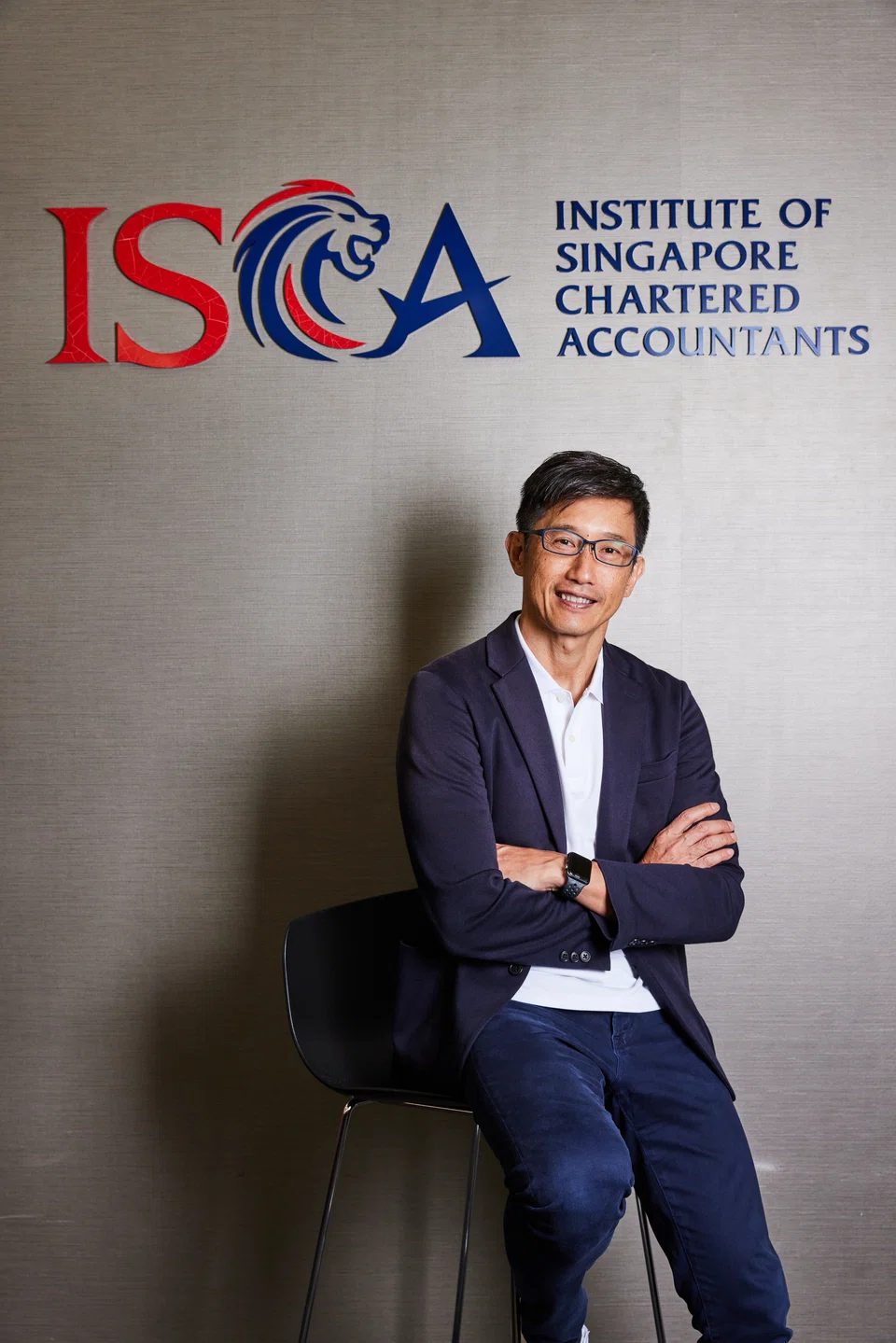
NEW enrolments in Singapore’s professional accountancy qualification programme have more than doubled, following structural reforms aimed at making the profession more accessible.
As at Sep 16, 1,967 new entrants were enrolled in the Singapore Chartered Accountant Qualification (SCAQ) programme – and more enrolments might still come in between Sep 17 and Dec 31. For the whole of 2023, there were 927 new candidates.
This year was the first time that annual new enrolments shot past 1,000 since 2013, when the programme began, noted Teo Ser Luck, president of the Institute of Singapore Chartered Accountants (Isca).
The national accounting body, which manages the SCAQ, is on track to hit its 2024 target of 2,400 new candidates.
Total enrolment, including candidates who signed up in previous years and are still pursuing the programme, is expected to hit 6,000 by the end of the year.
The SCAQ is the sole pathway to the Chartered Accountant (Singapore) qualification, a key credential for those aiming to climb the ranks in the accountancy sector.
To earn the qualification, candidates must complete structured examinations and chalk up at least three years of relevant work experience.
Teo attributed the surge in new enrolments to structural reforms introduced over the past year, such as the Accelerated Pathway Programme (APP) and more recognition being given to prior work experience. Such changes have streamlined the qualification process and enabled quicker completion of the programme.
And they have attracted more candidates, he noted. Since the APP was introduced in May, 1,484 undergraduates from Singapore’s autonomous universities – the majority of new enrolments – have joined the SCAQ.
Under the APP, all fees, including application and examination costs for the SCAQ, are waived. These costs, sponsored by Isca, have so far exceeded S$668,000.
It used to be that programme participants could use 12 months of previous work experience to count towards the three years of relevant work experience required to attain the SCAQ. Now, up to 18 months of prior experience is recognised, and this has boosted enrolment, Teo said.
Boosting outreach
In 2025, Isca aims for at least 3,500 new SCAQ enrolments. To hit that target, it intends to expand its outreach to Singapore’s institutes of higher learning.
By early 2025, it will have set up permanent offices in seven universities and polytechnics, where Isca staff can provide guidance on SCAQ enrolment and run outreach programmes.
They will also direct their outreach at non-accountancy undergraduates and polytechnic students, Teo said.
Isca is also working toward extending a version of the APP to polytechnic students, whom he believes could become the “biggest market” for the SCAQ programme.
This is because the SCAQ – regarded in the industry as a postgraduate qualification – can enhance the career prospects of polytechnic students, especially those not pursuing higher education.
“Once they get the CA (Singapore) qualification, they will be paid the same as any university graduate,” said Teo.
The proposed move to extend the APP to polytechnic students is awaiting regulatory approval, and is expected to be launched next year.