
Volatile Singapore power prices push it to finally embrace solar
 Add BT as a preferred source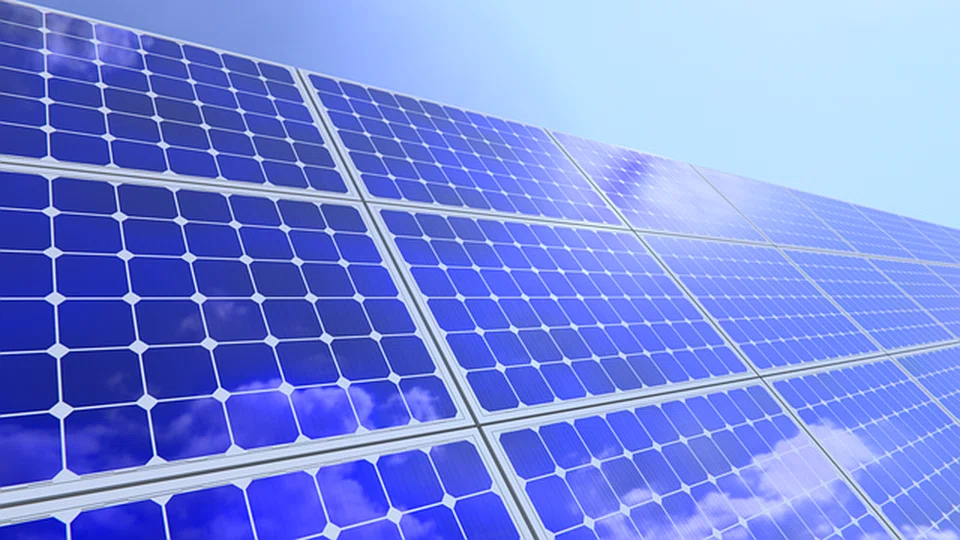
VOLATILE electricity prices are helping to push Singapore, one of the world’s slowest adopters of solar power, to finally accelerate its embrace of the clean energy source.
The small share of solar in the city-state’s energy mix is rising, while installers of residential rooftop panels report a surge in demand in recent months. That’s been spurred by household electricity tariffs that were as much as 15 per cent higher in the second quarter than the five-year average for the period, and with wholesale power prices still susceptible to wild swings.
Solar has advanced from providing 0.12 per cent of Singapore’s electricity generation at the start of 2016 to a current total of 1.5 per cent, and around 90 per cent of government housing developments are scheduled to eventually have panels added after local authorities launched a largest ever solar tender.
“After installing solar panels, there’s a very significant difference,” said Benjamin Loh, a 62-year-old musician and one of the residents who has installed a system in recent months, motivated by rising energy bills and a desire to curb his climate impact. “This is not a small house, so electricity costs can go up quite a bit.”
Loh still draws power from the grid to supplement the S$25,000 system on his three-story semi-detached home in Bukit Timah, though last month almost covered the cost of that power through the sale of excess electricity generated from his rooftop.
Singapore is backing solar as its key source of domestic renewable energy because of the lack of space for alternatives like wind and hydropower, and sees residential or industrial rooftops as key to lift deployments. Even so, the nation expects solar to account for only 3 per cent of its power mix by 2030. Singapore currently relies on imported natural gas for more than 95 per cent of electricity generation.
Navigate Asia in
a new global order
Get the insights delivered to your inbox.
Even small gains are important to help enhance energy security, according to David Broadstock, a senior research fellow and the head of the energy economics division at the National University of Singapore’s Energy Studies Institute.
“Every step which can be taken to produce energy domestically increases our power sector resilience to global commodity price fluctuations – and in the last 18 months these have been significant,” Broadstock said.
Utility-scale solar and systems added to commercial premises accounted for the majority of capacity additions in Singapore in 2021, the most recent full-year data compiled by BloombergNEF. New deployments of residential systems rose after a small decline in 2020, the data show.
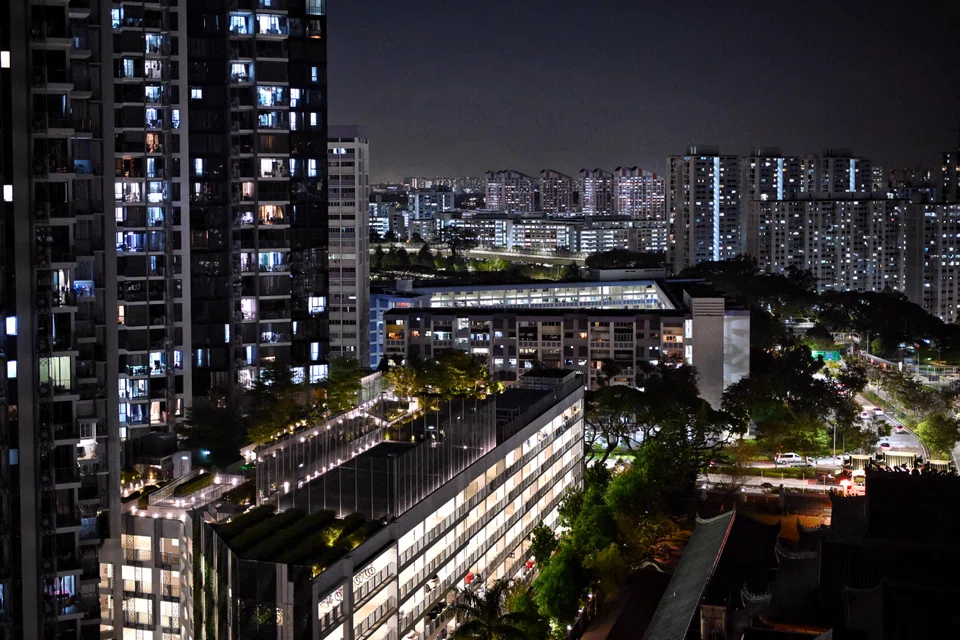
Sales of residential solar panels tripled in May from January this year, according to Kenneth Chng, chief executive officer of installer UTICA Solar. “With higher electricity costs, there is pressing demand from homeowners to install solar panels to save money as well as do good for the environment,” he said. BLOOMBERG
Decoding Asia newsletter: your guide to navigating Asia in a new global order. Sign up here to get Decoding Asia newsletter. Delivered to your inbox. Free.
Share with us your feedback on BT's products and services

