

Competition watchdog will step in if commercial property transactions result in substantially less competition: Low Yen Ling
CCS will intervene if it picks up signals that organisations are coordinating their behaviour to raise prices or reduce quality, she adds
 Add BT as a preferred source
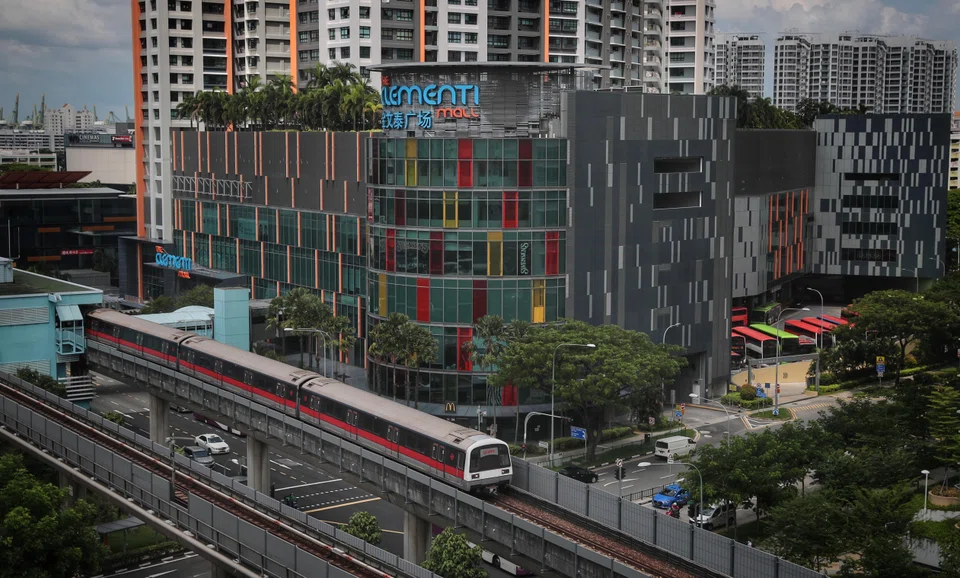
[SINGAPORE] While tenancy mix and turnover in malls are influenced by market forces, Singapore’s competition watchdog will step in when needed, such as if any transaction results in “substantially less competition that compromises consumer welfare”, said Senior Minister of State for Trade and Industry Low Yen Ling.
She said this in Parliament on Tuesday (Jan 13), in response to questions from Member of Parliament David Hoe about the acquisition of Clementi Mall by a property firm which owns Grantral Mall@Clementi. Hoe serves as MP for the Clementi division of Jurong East-Bukit Batok GRC.
In his supplementary questions, he flagged residents’ concerns about choice, given that the two Clementi malls, located in close proximity, are owned by the same company.
Hoe asked whether the Competition and Consumer Commission of Singapore (CCS) assesses the effects of competition beyond pricing, such as diversity of offerings and consumer choice; and when and how the CCS may intervene.
Low said that in commercial developments, the tenancy mix is “primarily market driven and a result of commercial decisions” made by owners, operators and tenants.
Heartland malls’ tenant mixes often reflect consumer demand and residents’ preferences, she said, adding: “I think, generally, we will all agree that it is in the mall operators’ interest to provide differentiated products and services.”
The same brand operating at multiple malls near each other would be “quite interesting”, unless warranted by capacity issues, Low said.
But CCS has detailed guidelines on mergers and the competition law to maintain a healthy competitive environment, and will assess how much competition is affected by transactions based on facts and circumstances, not “hearsay or uncertainty or projections”.
While Hoe asked about non-pricing measures, price is obviously an important indicator, she added. CCS will step in if it picks up signals that organisations are coordinating their behaviour to raise prices or reduce quality, output or innovation, she said.

Consumers can also provide qualitative or quantitative feedback via CCS’ hotline or online.
Decoding Asia newsletter: your guide to navigating Asia in a new global order. Sign up here to get Decoding Asia newsletter. Delivered to your inbox. Free.
Copyright SPH Media. All rights reserved.
TRENDING NOW

Buyer for England striker Harry Kane’s former mansion must pay £3.4 million after abandoning deal

Ohmyhome Ltd sells real estate business for US$1 due to poor business and continued losses

Malaysian tycoon Vincent Tan’s sell-downs point to pruning rather than an exit plan

What’s wrong with Orchard Road? Experts weigh in on the street’s cachet and its future

