Younger shoppers help power Little Farms’ islandwide expansion
The gourmet grocer aims to double the number of its stores by 2030, from seven now
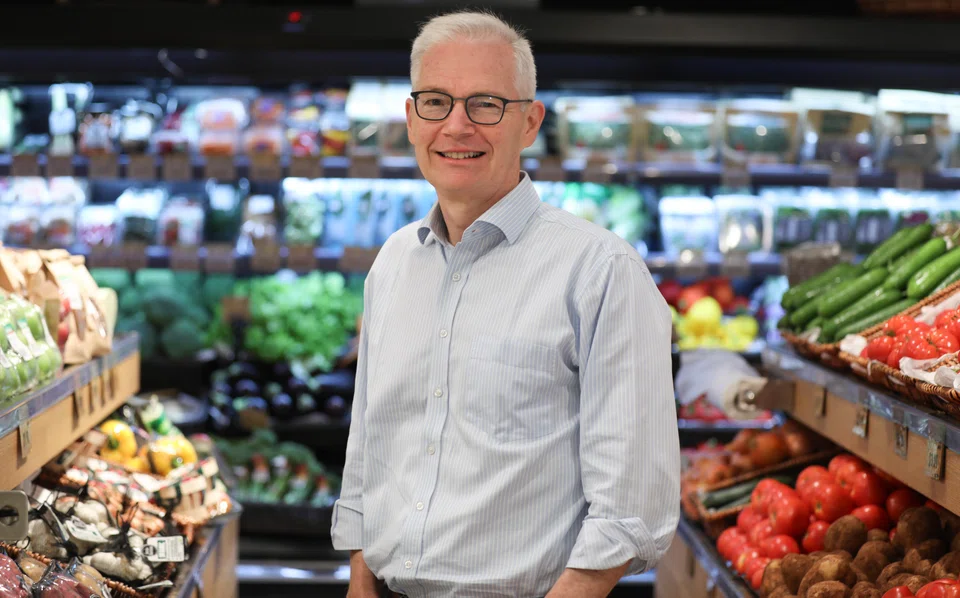
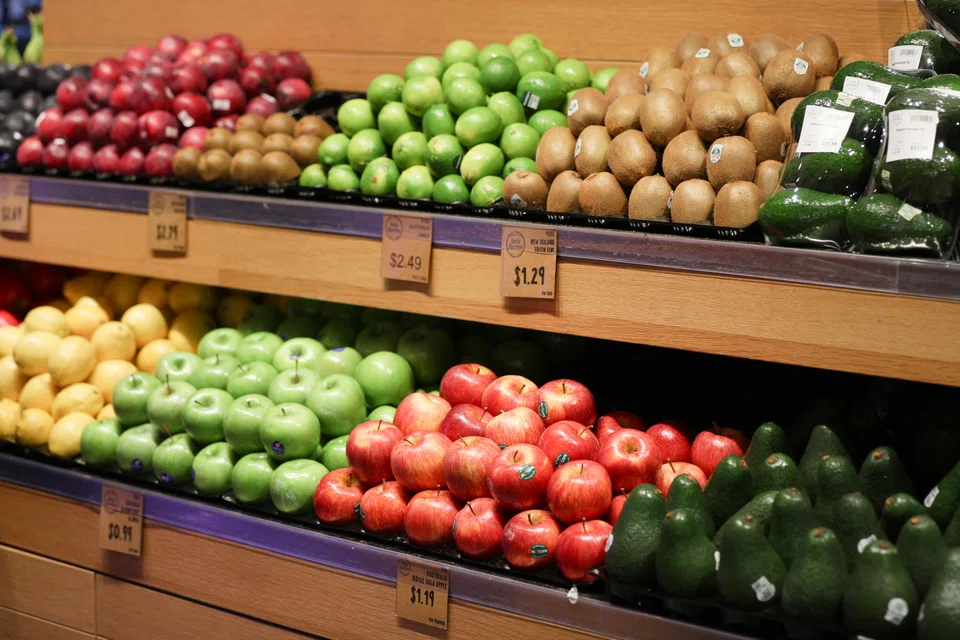
[SINGAPORE] Set up to serve expatriates and the well-heeled, gourmet grocery chain Little Farms started pulling in a new audience during the pandemic: young Singaporeans.
US citizen Joe Stevens and his business partner Justin Reis set up the first Little Farms store in River Valley in 2016, stocking high-quality, organic groceries for fellow expats and affluent Singaporeans who lived in the area. In 2018, a second outlet was opened in Tanjong Pagar.
But during Covid-19, the chief executive officer of the company saw a rising number of young Singaporeans shopping at the outlets. “We realised that we were gaining traction beyond the original, committed customers.”
This new base of customers pushed Little Farms’ revenue up by 63.3 per cent on year to S$25.8 million in 2020. This gave Stevens the confidence to open the brand’s first east-side outlet in Joo Chiat, with an accompanying bistro, in early 2021.
Despite being launched at the height of the pandemic, the grocery outlet regularly had long lines of customers, recalled Stevens. Once Covid-19 dining restrictions loosened, customers flocked to the bistro as well.
Young, health-conscious, affluent Singaporeans are now a vital part of Little Farms’ customer base – and Stevens hopes that the grocery chain will remain part of their lives as their families grow.
Going to customers
For 2021 – with the Joo Chiat outlet having operated for nine months – the group’s total revenue rose to S$27.4 million.
The success story in Joo Chiat prompted the CEO to launch two more shops. Little Farms opened its now-flagship store in Tanglin in June 2022, and its fifth outlet in Serangoon Gardens later that year, both with accompanying dining concepts.
In 2023, a sixth outlet opened in Holland Village. Footfall and revenue have been growing for all outlets, with revenue up 17 per cent in 2024.
The company expects 21 per cent revenue growth in 2025, aided by its newest outlet in Sentosa, which opened last December.
“It’s not a large market, but it’s a nice, lovely market, and we’re very pleased to be a part of the Sentosa community,” said Stevens.
Customer surveys had indicated demand for the supermarket, which has an accompanying restaurant named Table by Little Farms.
Stevens said: “We like the concept of community, pulling people together for a meal – the meal being about much more than just taking nutrition and healthy food. It’s about togetherness and camaraderie, friendship and family. So we thought ‘Table’ reflected that.”
Instead of expanding to untested locations, Little Farms prioritises getting closer to its regulars. This has paid off for the Sentosa branch, which is generating 15 per cent more revenue than initially estimated.
From seven stores now, the aim is to double the number by 2030, with a focus on younger neighbourhoods where the grocery chain’s regulars live.
Regionally, Little Farms hopes to expand to markets with high growth opportunities such as Indonesia, Malaysia, the Philippines, Thailand and Vietnam.
In those markets, affluent households are forecast to grow at a compound annual growth rate of 13 to 15 per cent over the next five to 10 years, noted Stevens.
The group plans to make its first overseas foray by the end of 2025, establish a significant presence, and then expand from there – though the exact location has yet to be decided.
Perfect produce
Little Farms prides itself on fresh produce, fruit and meat sourced directly from farmers, but this approach throws up challenges almost weekly, said Stevens.
The company predominantly sources produce from Sydney Markets in Australia, as well as farmers from France and Spain. Supply is disrupted if these small artisanal farmers have equipment breakdowns or are hit by natural disasters.
For instance, a recent outbreak of bird flu in New Zealand – from where Little Farms sources most of its organic chickens – pushed the company to swiftly find replacement suppliers in countries such as Australia and Malaysia.
It is always actively sourcing for high-quality producers. Most of its eggs come from small farms in Australia, Denmark and New Zealand; some fresh produce such as cherry tomatoes are flown in from France.
Other producers are closer to home: Fresh mangoes come from Vietnam, and salad mixes and vegetables, from Singapore farms.
The Serangoon Gardens and Tanglin outlets feature vertical plant walls by local company Grobrix. These walls are where herbs are grown for use in the restaurants next to the supermarkets.
Shelf space is set aside for local entrepreneurs too, such as Jammy’s, which sells vegan treats.
Last year, Little Farms partnered Nurasa – a company specialising in sustainable food production – to host the Sweet Swap Challenge, giving a platform for startups and brands specialising in sugar-reduction technology.
The winner, Coa, produces high-protein chocolate clusters. Its product was given shelf space in all Little Farms outlets for a month, a move that proved so popular that the grocery chain extended its agreement with Coa.
Little Farms continues to look for such partnerships. This February, it launched the Vege-Tales Challenge with Republic Polytechnic. Participating students are tasked with coming up with innovative vegetable-based products in this challenge, which runs from April to August as part of the polytechnic’s curriculum. It ends with a product showcase in mid-August.