


Digital transformation the lifeline for SMEs in pandemic

THE government's decision to extend and tighten circuit breaker measures to June 1, 2020, left many retailers with heightened fears of survival.
Already, the detrimental impact is playing out with retail sales declining drastically from 8.4 per cent in February to a further drop to 13.3 per cent on March 1, the biggest plunge in 22 years.
This downward pressure on traditional retailers is only set to be even more pronounced for entrepreneurs and small and medium-sized enterprises (SMEs).
While the government's Unity, Resilience, and Solidarity budgets are providing financial relief in the form of rental waivers and wage subsidies, enterprises are scrambling to find other avenues to bolster their revenue streams during this downturn.
Many are turning to digital as a lifeline to stay operational.
As consumers spend more time at home under strict physical distancing measures, many are shopping online for essential fast-moving consumer goods (FMCG) and opting for home deliveries.
A recent survey by Nielson found that e-commerce sales have soared exponentially, with sales of FMCG jumping to a record high of 43 per cent - a growth rate surpassing an average week.
RedMart, Lazada's grocery arm, saw its orders triple its weekly average after Dorscon was raised to orange in early February.
With the Covid-19 crisis accelerating digital adoption by consumers, businesses without a digital presence are among the hardest hit by this pandemic.
Recognising that SMEs are the lifeblood of Singapore's economy, Lazada immediately rolled out stimulus packages across its six markets to help over 150,000 SMEs get online during this challenging time.
In Singapore, we partnered with Enterprise Singapore on its recently launched "Singapore E-Commerce Programme", which covers 90 per cent of the costs for retailers to start selling online.
This will help retailers to tap into the growing shift in consumer behaviour and at the same time minimise monetary risks of diversifying into online channels.
In transitioning their businesses online, retailers should consider the following when selecting an e-commerce platform to partner with:
Tap into the largest pool of potential customers possible by analysing the volume of web and app traffic across e-commerce platforms. Lazada is South-east Asia's leading e-commerce platform, with over 60 million active buyers.
Customers expect reliable and fast delivery, so select an e-commerce platform that will be able to help you get your product to your customer. For example, RedMart now operates on area-based deliveries so consumers can have their daily essentials delivered once every three days.
Managing supply chains and inventory is a critical aspect of business operations and having access to data analytics will enable sellers to have insights on demand forecasts. This allows them to make informed decisions to plan ahead and meet consumer interests and demand.
E-commerce platforms must equip and empower sellers with engagement tools like livestreaming, and knowledge to use a data-driven approach to manage online advertising and promotional campaigns to better connect with customers.
Lazada is the only player in South-east Asia that offers a "See Now Buy Now" feature that allows consumers to seamlessly place an order without interruption during a livestream, making it an effective sales channel for brands and sellers. We have seen an uptake in local SMEs using our technology to better engage with consumers and sell more products.
Pick an e-commerce partner that will offer access to training and resources, in the areas of content development, product listings, and advertising.
While the fundamentals of retail remain the same for both offline and online, the means to engage customers and ultimately make a sale online are different. Lazada has a dedicated team that routinely teaches sellers the best practices.
Businesses which learn to adopt agility in these extraordinary times will be able to manage through the impact of this dynamic landscape.
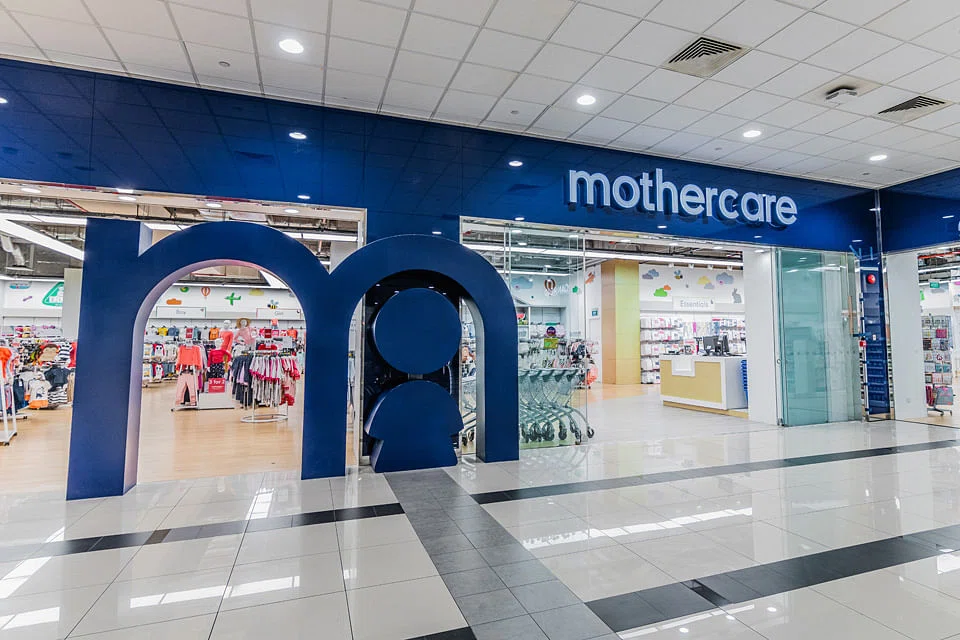
One such example is local retailer Mothercare which saw a ten-fold increase in weekly sales on their Lazada store since opening in April.
Their sales continue to grow as they shift their resources online amid the current circuit breaker measures.
In the months ahead, the impact of Covid-19 may continue to curtail traditional offline economic activity, but SMEs can adapt by tapping into the thriving digital economy to safeguard their business.
Taking advantage of this digital lifeline with the government's support will be critical for business survival, and we will stand alongside SMEs to help them overcome this crisis together with greater competitiveness, scale and agility.
TRENDING NOW

32 companies, 6 individuals bag accolades at Singapore Corporate Awards 2026

He built the Vingroup empire. Now South-east Asia’s richest man is handing some key roles to his sons

URA to review guidelines on floor space to give developers more design flexibility: Chee Hong Tat

Chagee, Mixue and Luckin won the market. Sustaining their edge is the harder part

