Flex sharpens medical device focus in Singapore, looks to 5G for future of manufacturing
Helene Tian
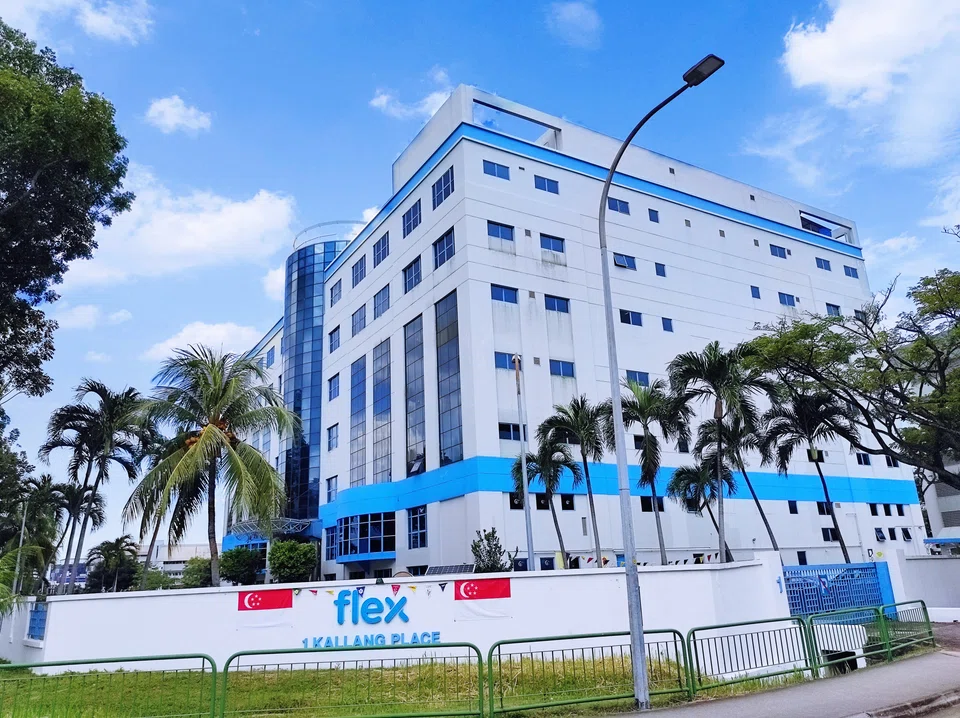
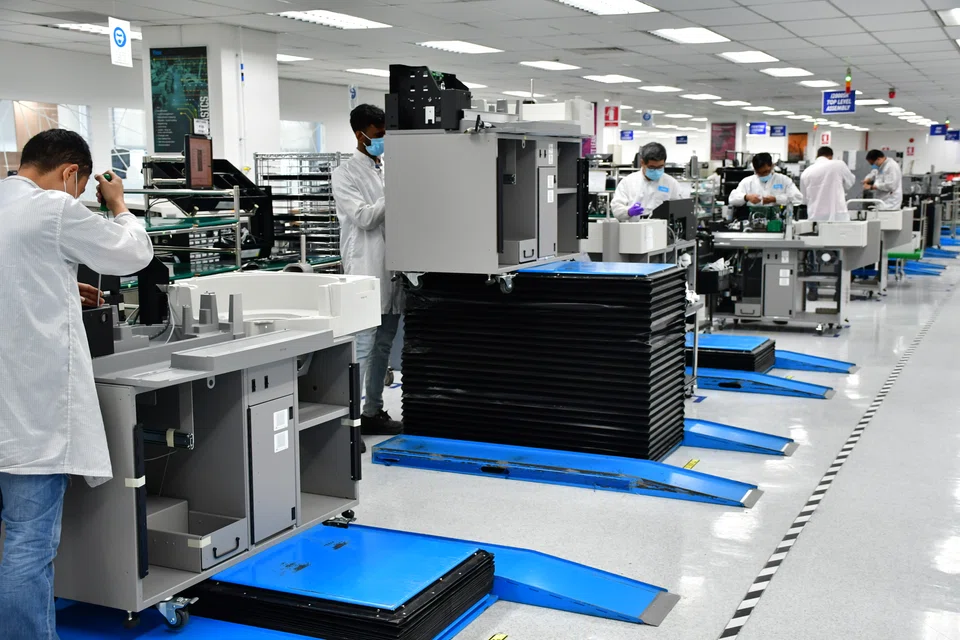
MEDICAL devices are an increasing focus for the Singapore operations of manufacturer Flex, as the company aims to ride both short- and long-term regional trends, vice president of Asia operations Daniel Tan told The Business Times.
Flex intends to grow the headcount at its Kallang site – which specialises in healthcare and life sciences equipment – by 10 per cent by the end of 2022, up from 700 employees now.
The Kallang site is also exploring new areas such as point-of-care testing, surgical devices, and medical wearables, as demand for at-home care rises with the ageing population, said Tan.
Meanwhile, as part of the international 5G Alliance for Connected Industries and Automation, Flex is exploring the use of 5G technology for future manufacturing. The Nasdaq-listed multinational is active in areas such as automotive, cloud, communications, consumer devices, healthcare, and industrial manufacturing.
Manufacturing is one of the industries where 5G is expected to have the biggest economic impact in the next 5 to 10 years, said Tan, with these high-speed networks used in conjunction with artificial intelligence and the Internet of Things to achieve "intelligent connectivity".
“We are also looking at data-driven health care services that will utilise data and AI so that... at least, a physician can be informed based on those data to make clinical decisions,” said Tan.
Flex serves over 200 customers across Asia, with 44 manufacturing sites and 4 design, research and development, and innovation centres. Its 80,000 employees in the region include 1,400 in Singapore.
Operating in Singapore since 1983, Flex has facilities in Kallang and Changi, with the latter specialising in industrial and computing equipment. As a provider of manufacturing and design services, Flex also designs and builds products for clients.
The Kallang site's manufacturing capabilities include products for retina care and glaucoma diagnostics, as well as devices for medical treatment at home, including personal health monitors such as blood glucose monitors, and drug delivery equipment such as insulin pumps.
The increased focus on such homecare products is driven by both the long-term ageing population trend as well as the Covid-19 pandemic, said Tan. “With an ageing population... there will be a higher demand for healthcare services. A lot of healthcare is going to be shifting from the hospital to physicians’ office and to home care.”
Covid-19 also boosted demand for devices. In the early days of the pandemic, Flex’s healthcare partners engaged the company to manufacture critical equipment. One product that saw a surge in production was the handheld blood analyser, used for testing blood samples – which was, at the time, critical for the diagnosis of Covid-19.
The handheld blood analyser produces results directly, with no need to deliver samples to a hospital or laboratory for analysis – making it more convenient for individuals who have to undergo blood analysis, said Tan.
To support the global medical response to the pandemic, Flex also ramped up production of nebuliser systems, which turn liquid medicine into a fine mist so it can be inhaled. Typically used by individuals with respiratory conditions such as asthma, these devices have been used by Covid-19 patients with significant mucus build-up in their lungs.
Two years into the pandemic, Flex’s financials have more than bounced back. The multinational’s revenue was US$6.9 billion for the fourth quarter ended Mar 31, 2022, up 9 per cent from the year-ago period and better than both Q4 2020, when it was US$5.5 billion, and Q4 2019, at US$6.2 billion.
Adjusted net income was US$244 million, down from US$248 million in the year-ago quarter but much higher than in the fourth quarters of 2020 and 2019. Earnings per share for the period were US$0.52, up from US$0.49 in the year-ago quarter.
With customers being driven by developments in areas such as 5G, optical, electrification and point-of-care diagnostics, Flex's investments in these technologies have helped it win major programmes thus far, and continue to position the company strongly, said Tan.