


How companies can digitalise their supply chains and operations
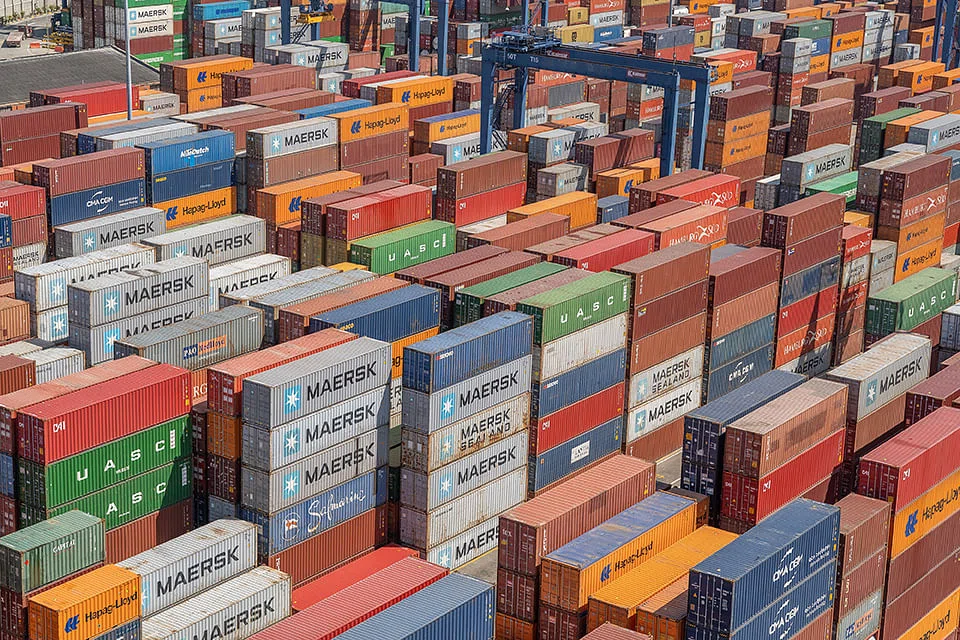
MUCH has been said about the disruptions and impacts caused by Covid-19. As the world starts to open up and recover, supply chain delays continue for a variety of reasons, be it a shortage of components, delays in shipping, as well as the continued high price of shipping. Companies have to react to both changing macroeconomic factors and technology transformation at the same time.
To some extent, these trends are interrelated. A recent report by Citi and the Economist Intelligence Unit (EIU) showed that global supply chain managers have put in more effort in digitalising their supply chains since the pandemic started.
Out of 175 managers surveyed, 32.5 per cent spoke of increased investment in digital tools or processes. Forty per cent of managers in Asia spoke of increased digitalisation investment, more than in Europe and North America.
More than ever, visibility and new channels to access customers and suppliers are critical to responsiveness and resilience. There is a pay-off to that digitalisation, in both creating efficiencies, as well as gaining new customers and creating new business models.
Simplifying the digitalisation approach
One potential area is in helping small and medium-sized enterprises (SMEs) in Asia gain technical capabilities is digitalisation. These SMEs may recognise the need for transformation, but lack the resources to do so.
They may not see the benefits of paying for software and system integration efforts immediately. In many cases, new IT and technology projects can also be time-consuming for management and staff. The pain can be lessened with a simpler digitalisation process.
Adera Global's subsidiary Nufin Data provides supply chain financing based on verified invoices. As many of the smaller suppliers did not have system integration capabilities, Nufin started the companies with uploading their invoices in PDF format into a cloud-based system for verification.
By providing an option for a small-step approach to usage of the financing platform, Nufin made the onboarding of small suppliers easier.
Suppliers can also connect to the platform via system integration to get a seamless digital document flow. This allows companies to send electronic invoices to the buyers, while also using the invoice for supply chain financing.
An increasing number of solution providers are providing software on the cloud, with Software-as-a-Service business models.
Customers pay monthly subscription fees based on tiered levels of usage by number of users or number of applications. Maintenance and upgrades are taken care of at the back-end, transparent to the customers. These are low entry ways in which SMEs can try out and use new solutions to assess the platform's suitability before making further commitment.
Creating new channels to access customers
Companies can also look at new ways to reach customers. Nike has over the last few years tried to increase its proportion of direct sales. From selling through distributors and retailers, it is now shifting to generating more direct sales on its own digital and retail stores.
This allows it to better understand and respond to customer needs, as well as improve its profit margins. Despite the impact of the pandemic on retail stores, the company reported its best historical quarterly results in 2021.
Another method to increase sales is to make it much easier for the customer to make a purchase.
SCash is a Singapore-based startup which provides software apps for retailers to create mobile shopfronts via QR code easily. This initiative was started as many of the small retailers were not familiar with the use of computers, and also did not have enough time to cater to tourist groups coming in to purchase items.
The QR codes created for individual products can be scanned for purchasing. This makes the purchasing process easier for consumers, rather than purchasing on the website. The products and QR codes can also be publicised on the retailers' own social media groups.
This helps them in digital marketing to their own specific network. This could be more cost-effective than trying to break through on social media where there are many companies engaging in digital advertising to get consumer attention.
Improving response time to market changes
Such digitalisation initiatives not only improve efficiency of the business processes, they also help in creating new value and business opportunities.
Fashion Deepblue Technology is a company based in the United States and China that aims to support companies in the retail supply chain from design to market. It provides a data-driven platform using artificial intelligence and industry expertise to predict fashion trends by analysing fashion shows, social media, pictures and articles.
This information can be customised for specific types of clothes or countries. This helps store owners with their merchandising, and clothing manufacturers in creating samples, allowing them to respond faster to changes in customer demand. It also provides a collaborative platform where companies can track their store and assortment performances.
Companies are continuing to innovate on supply chains. While these initiatives are ongoing, Covid-19 has also accelerated the adoption of new technologies and made the need for visibility and adaptability more urgent.
- The writer is an associate professor in the analytics and operations department at the National University of Singapore (NUS) Business School. He is also the academic director of the NUS MSc in Industry 4.0 programme. The opinions expressed are those of the writer and do not represent the views and opinions of NUS.
TRENDING NOW

Why US$100 oil, 5% US yields affect Singdollar, ringgit differently vs other Asean currencies

Asia needs new energy security architecture

Despite the de-dollarisation debate, demand for dollar liquidity in Asia is growing

Anthropic to open Singapore office in October, sees it as a ‘standout market’ for Claude

