


How livestreaming can be a game changer for businesses
WHILE there is nothing quite like going shopping in person, livestreaming shopping or live shopping has quickly proven to be the next best thing. The rise in popularity of live shopping has even created a sprawling ecosystem of content creators and viewers that might prove to rival China's multi-billion dollar live commerce industry.
Research shows a whopping 95 per cent of advertisers globally will use live video to market their products by 2024, and 82 per cent of global Internet usage today is already spent on video streaming.
Live video is here to stay, and brands and retailers can benefit tremendously from the unstoppable growth of this medium.
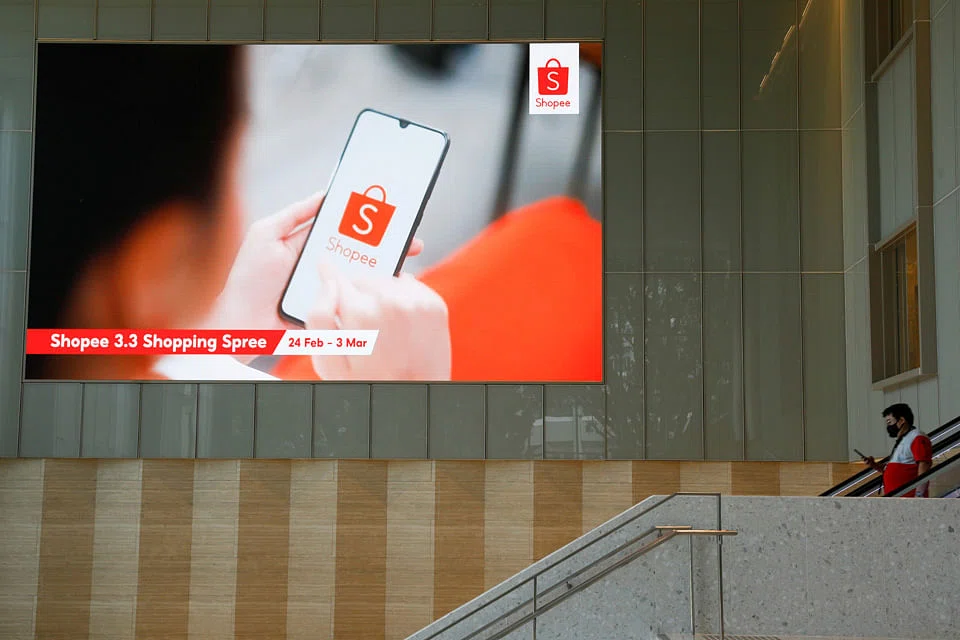
Lazada, Shopee, Zalora, Rakuten, and Bukalapak are a few names among many other tech giants who have launched their dedicated live shopping platform.
Unlike traditional browse-to-buy experiences, live video shopping is incredibly interactive. The platforms are jam-packed with live shopping streams hosted by key opinion leaders and even celebrities, who can communicate directly with their audience in real time, with no filters, edits or scripts. This builds a layer of trust and authenticity that increases conversion rates - live shopping streams record up to a staggering 36 per cent add-to-cart rates.
Enhancing brand equity
Retailers, malls and even telcos such as Suntec City, Changi Airport Group and M1 have also used live video streaming and shopping in various formats with the aim of engaging their customers during the pandemic.
Even though Facebook Live, Instagram Live and YouTube Live are readily available and free to use, some brands and businesses choose to invest into creating or white-labelling their own live shopping platform. Without relying on existing platforms, the businesses can then promote directly to their customers, fully customise and brand the shopping experience, and gain access to deeper shopper insights that existing platforms are unable to provide. Having their own live-shopping experience also enhances brand equity, and has proven to acquire new users who are interested in watching live shopping streams.
Furthermore, there is currently no way to directly pay a merchant through existing social media platforms. Shoppers have to manually PayNow or bank transfer the merchant, then upload a screenshot of the bank transfer to the merchant to confirm payment.
A custom live-shopping platform would be able to close the payment transaction directly via integrated payment gateways without even leaving the live video stream.
Examples would be Zalora Live (Z-Live), Shopee Live and Lazada Live, who have invested into highly interactive live-shopping experiences that include celebrities, influencers and merchants who sell products at sometimes hugely discounted prices. Shopee Live delivered a phenomenal 24 million live video hours in a single day (Sep 9's 9.9 Sale) recently. In addition to engaging their user base and converting a portion of viewers into buyers, live video builds and fosters a strong sense of community, as the merchants are able to interact, give product information, and even play games directly with their customers.
This trend is not only limited to larger enterprises. Brands, small to mid-sized enterprises (SMEs), and even individuals have been adopting the live video shopping model, and some have thrived. In 2020, South-east Asia's livestreaming e-commerce sales reached US$73.3 billion, an incredible 47.3 per cent of China's equivalent of US$155 billion.
Brands such as Nordstrom and L'Oreal have embraced live shopping, with L'Oreal selling over 100 lipsticks in under a minute during a live shopping flash sale. Enterprise Singapore has also launched heavily subsidised live shopping grants to help SMEs run live shopping campaigns on Facebook Live in partnership with content production studios and influencer management agencies.
The evolution of local getai performer Wang Lei into a full-fledged livestreamer on Facebook Live has inspired a new wave of entrepreneurial Facebook Live sellers, with top merchants rumoured to be grossing more than S$100,000 a month.
SME owners and aspiring entrepreneurs can benefit from the growth in live shopping by broadcasting their own live-shopping streams. A livestream is heavily dependent on the personality and affability of the host. Good hosts understand their product niche, offer honest, unfiltered advice about the product and engage frequently and directly with their customers.
Selecting the right platform to broadcast on is also extremely important. To build their audience, most first-time livestreamers would choose Facebook and Instagram, purely because of the unparalleled reach these platforms offer.
Once their audience matures and become more discerning, the inaccessibility and lack of interaction of these platforms might cause some popular livestreamers to consider either broadcasting on platforms such as HyperLive.tv, which has much deeper engagement tools, or even launch their own branded website or app with a livestreaming experience.
Layer of authenticity
Livestreaming allows businesses to connect with their customers in a deeper way that drives customer engagement and foster a sense of community. It allows shoppers to experience similar customer retail experiences virtually, address enquiries in real time, and allows viewers to buy products promoted in a livestream effortlessly.
In a world permeated by well-produced, heavily edited short videos (TikTok, Douyin) and images (Instagram), livestreaming video occupies the extreme opposite end of content production - live video is often unfiltered, authentic and unpolished. This layer of authenticity surprisingly creates an emotional bridge between businesses and their customers, who embrace mistakes and celebrate unscripted moments by the content creators.
The adoption of live video is inevitable, forcibly accelerated by the world's largest telecommuting experiment: Covid-19. Live video can never replace the bonds we create in real life, but the advancement of live video technology is attempting to create experiences that come very, very close.
- The writer is co-founder and CEO of BeLive Technology.
TRENDING NOW

World’s largest offshore wind platform by Seatrium consortium on track to be completed by 2028

Is stamp collecting enjoying an analogue revival or are its best days over?
GovTech retrenches another 38 staff in second round of layoffs

MBS adjusted property Ebitda falls 20.6% in Q3 with fewer high-roller visits, weaker hold

