Singapore preschool education growing second wing abroad
Singapore
PRIVATE preschool operators here have been grappling for some time with the challenges of Singapore's small population and falling birth rate. And with the market set to shrink further as more government-supported preschools are due to come onboard, many private operators say they have no choice but to expand overseas, with some going as far as Central Asia and Africa.
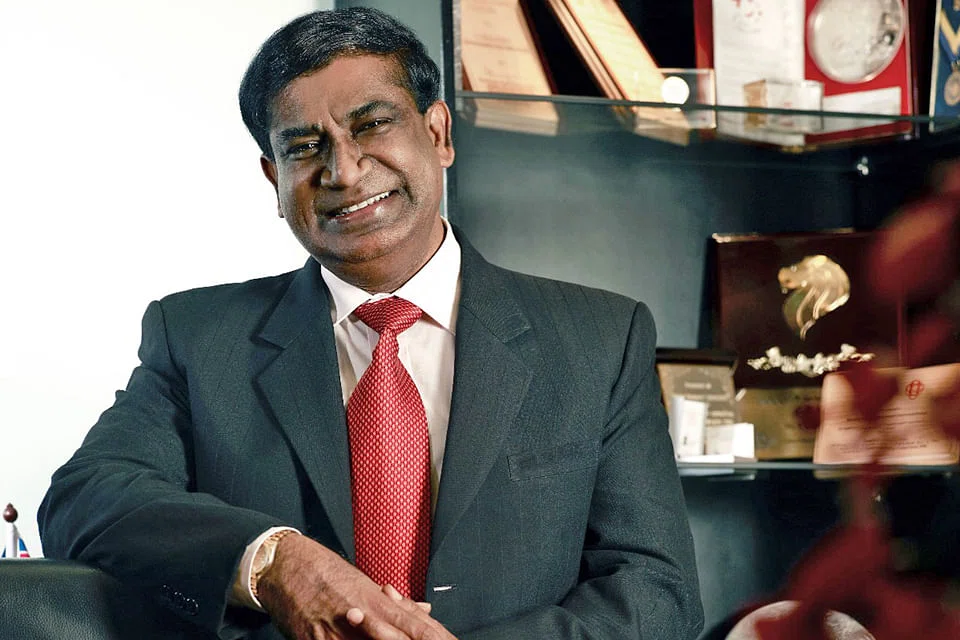
"Singapore has reached a saturation point," Modern Montessori International (MMI) chairman T Chandroo told The Business Times.
He cited Prime Minister Lee Hsien Loong's recent National Day Rally speech that announced plans to increase the percentage of government-supported preschool places to 80 per cent from the current 50 per cent of all preschool places.
These government-supported places are offered in preschools including Ministry of Education kindergartens, and public or private preschools under the Early Childhood Development Agency's anchor operator or partner operator schemes. MMI is currently not part of either scheme.
"Twenty per cent (of the local preschool industry) is far too small a market. Because we are an international brand and our presence is already in more than 10 countries, it's easier for us to expand," Dr Chandroo said.
Singapore-based MMI Group is the exclusive franchisor for Modern Montessori International (London) and has a presence in countries ranging from regional neighbours such as Thailand and Indonesia, to Nigeria, Egypt and Kenya in Africa.
In September this year, it signed a memorandum of understanding with Uzbekistan's Ministry of Preschool Education to set up an early childhood teacher training centre in the country.
MMI will help to train local teachers to boost the overall standard of preschool education in the country, as well as prepare to set up its own preschool centre in 2020.
"Central Asia is an emerging market. Among the five countries, Uzbekistan has the biggest potential," Dr Chandroo said.
He noted that the country has a population of about 33 million, with nearly 35 per cent younger than 20 years old.
"The country has opened up, and the new president wants to grow the economy and transform the country. They are paying a lot of attention to education."
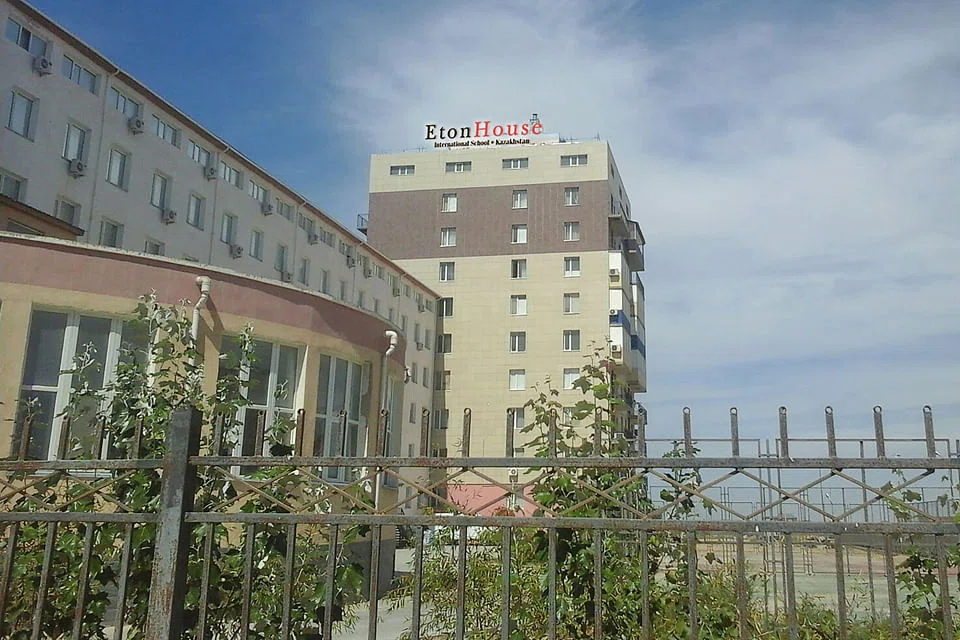
MMI is not the only preschool operator that sees Central Asia as a promising new frontier. In 2015, EtonHouse International Education Group established a preschool in neighbouring Kazakhstan.
Like Uzbekistan, Kazakhstan has enormous potential as the largest country in Central Asia and the main land corridor linking China with Russia and Europe, said EtonHouse executive director Ng Yi Xian.
"In addition, over the years, the Kazakhstan government has shown commitment in improving its investment regime and business environment, which makes doing business easier," he added.
While EtonHouse Kazakhstan was first established as a preschool, it now offers EtonHouse's primary and secondary school education as well, to meet parents' demand for a progressive learning pathway.
Mr Ng said the company is interested in expanding further in the Central Asian region.
Meanwhile, other operators are focusing on countries closer to home, which still hold great potential, tapping the trends of burgeoning populations, increasing wealth and more parents today who are willing to spend a pretty penny on education.
Crestar Education Group (CEG), which houses early childhood education and care brands Kinderland, ELFA, NurtureStars and Skool4kidz, has entered Bangladesh, Cambodia, China, Indonesia, Malaysia and Vietnam. It plans to expand further in Indonesia and Vietnam, said Seet Lee Kiang, general manager of CEG's early childhood division.
"As the average literacy rates rise, consumers (especially parents) are more aware of the impact of early childhood education," he said. "Especially in these emerging markets, families are more willing to invest in their children's education."
China is another attractive market, where the Singapore brand of education is associated with high quality.
For instance, GATE Junior, which operates preschools for so-called "gifted" children aged three to eight years old, has expanded to Hong Kong to be closer to China, said Chng Hock Huat, chairman of Gifted and Talented Education.
He said key Chinese cities and regional cities such as Jakarta and Ho Chi Minh City, where parents recognise and hold the standard and value of Singapore education in high regard, are potential markets for GATE Junior.
EtonHouse entered Suzhou, China in 2003 and expanded further into the rest of the country at the invitation of provincial governments, which hope to attract more multinational companies by establishing quality international schools in their cities. The brand has 45 schools in 28 Chinese cities today, many of them with long waitlists, Mr Ng said.
He noted that a key driver of demand for high-quality education is the increasing internationalisation and sophistication of Chinese parents.
"There is also a growing awareness that the right foundation can change a child's future," he added.
Mainboard-listed MindChamps Preschool hopes to eventually take its "3-mind model of education" to the world, but for now, its goal is to capture the market in Australia, where founder David Chiem spent much of his youth. It aims to expand mainly via franchising, with a ratio of 10 per cent company-owned to 90 per cent franchised MindChamps preschools there.
"We will continue to focus on Australia and aim to have 100 centres operating within three years in a nation-wide network across all capital cities," the company said.
For operators who have yet to diversify beyond preschool curricula, introducing their own primary and secondary schools is another way to unlock greater potential in current markets.
EtonHouse cites its K12 through-train pathway as a key differentiator for the company so far.
"The network of EtonHouse schools inspires confidence and supports expat families with a seamless integration as they move between countries," said Mr Ng.
Last year, CEG launched an international primary school, The Grange Institution, in response to requests from regional partners and franchisees to offer an avenue for the students' next phase of education, said Robert Leong, CEG's group chief operating officer.
"Given our expertise and experience and the evolving market, we thought, 'Why not?'" Mr Leong said.
"As Crestar's first foray into primary school education, The Grange Institution has been well-received so far, and we do not rule out expansion and branching out into the next phases of academia."
MMI is keen to explore this path in some of its existing markets too, said Dr Chandroo.
"I have got huge demand to set up a primary and secondary school in Vietnam, because my parents are so happy with our curriculum and teaching facilities that they are already asking when we are going to open a primary school," he said.
The capital expenditure required for such schools is much higher than for preschools, so those plans will have to wait until MMI raises more capital, likely through private equity fundraising, he said.
"The advantage for us is that because we're already in these markets, it's just lateral expansion. If we expand from preschool to primary, people will be happy."