

Ireland - a great business gateway for Singapore businesses
Good trade relations between Singapore and Ireland give an impetus for more extensive business ventures for the future.
THINK of Ireland and Guinness Stout, Kilkenny beers, rock band U2 and Riverdance come to mind. But there is more to the Emerald Isle (as Ireland is popularly known), especially in terms of Singapore-Ireland business and trade.
Between the 1960s and 1990s, Singapore stood out as one of the Asian Tiger economies because of its rapid industrialisation and economic development. From the 1980s, Ireland similarly embarked on a phase of major economic and industrial development that earned it the tag of Celtic Tiger economy.
Foreign direct investment is a key contributor to Ireland's economic development and growth, and Ireland is regularly ranked as one of the best places in the world to do business. Just as Singapore is a gateway to Asean, so can Ireland be a launch pad for Singapore companies into Europe, as it is a member of the European Union which comprises some 400 million wealthy consumers.
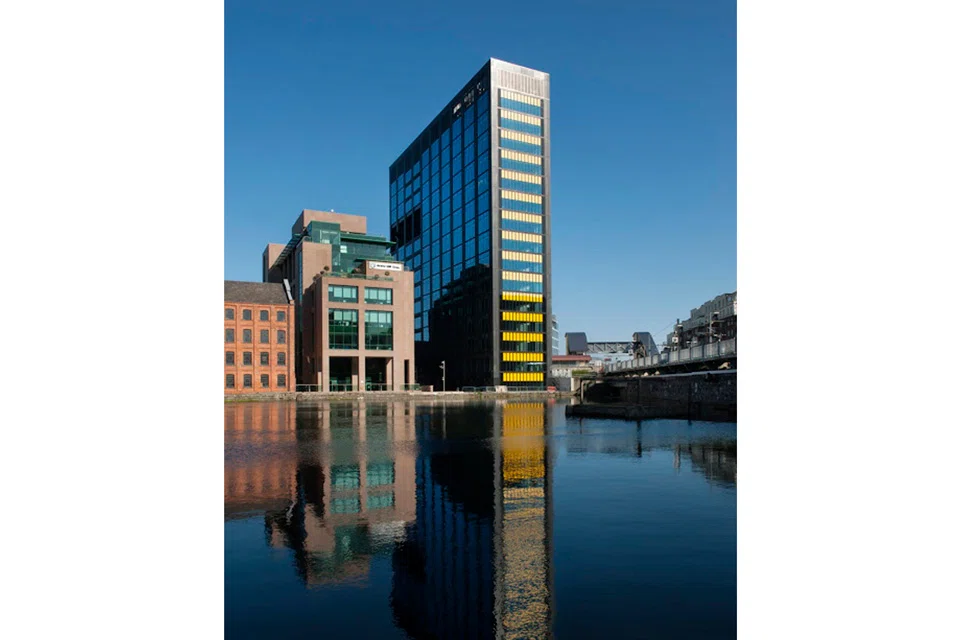
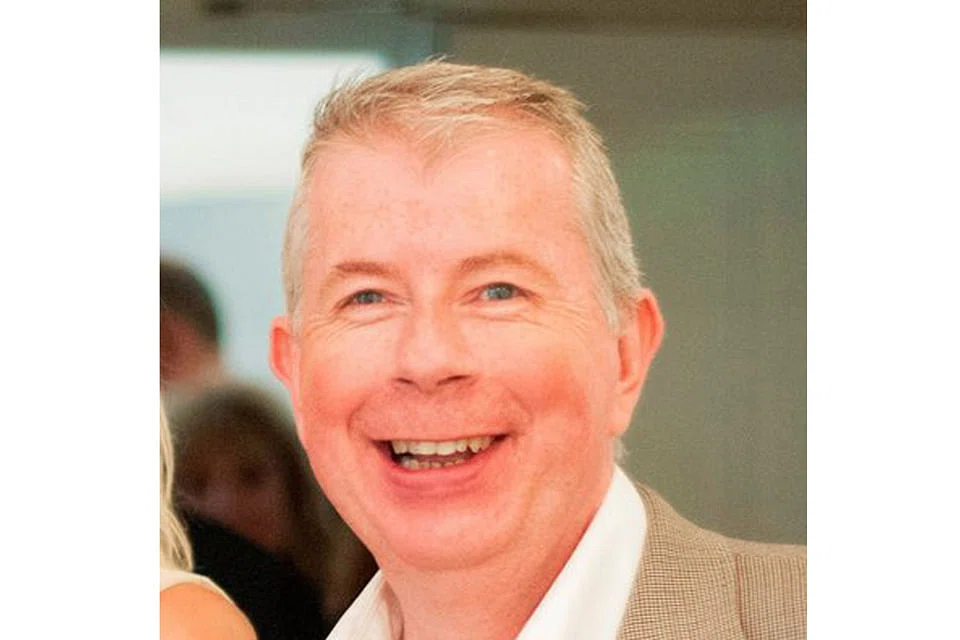
There are 1,600 foreign-owned companies that employ over 275,000 people located on Irish soil, including the Europe, Middle East and Africa (Emea) headquarters of many global corporations, said Patrick Bourne, Ambassador of Ireland to Singapore.
These companies are drawn by Ireland's young, highly educated, highly skilled and multilingual workforce, and the business-friendly environment produces a cluster effect conducive to collaboration and innovation.
Other trade-friendly attractions include Ireland's consistent and stable political situation, safe and secure environment and common law system.
Like Singapore, Ireland engages with a wide range of trade partners. Ireland's most important trading partners are the EU, US, UK, China and Japan. In 2020, services exports from Ireland were valued at 161 billion euros (S$240 billion).
In 2021, goods exports from Ireland reached a value of 165 billion euros, an increase of 2 per cent over 2020 - a new record high, and equivalent to almost 80 per cent of the value of the Irish economy.
Bourne said: "Two-way trade between Singapore and Ireland has stood at about S$10 billion annually since 2019. More than 130 Irish companies have Apac regional headquarters in Singapore or operate with Singapore suppliers and distributors...
"There are 5,000 Irish nationals living and working with MNCs (multinational corporations) and Irish companies in Singapore," he said.
High-value goods and services
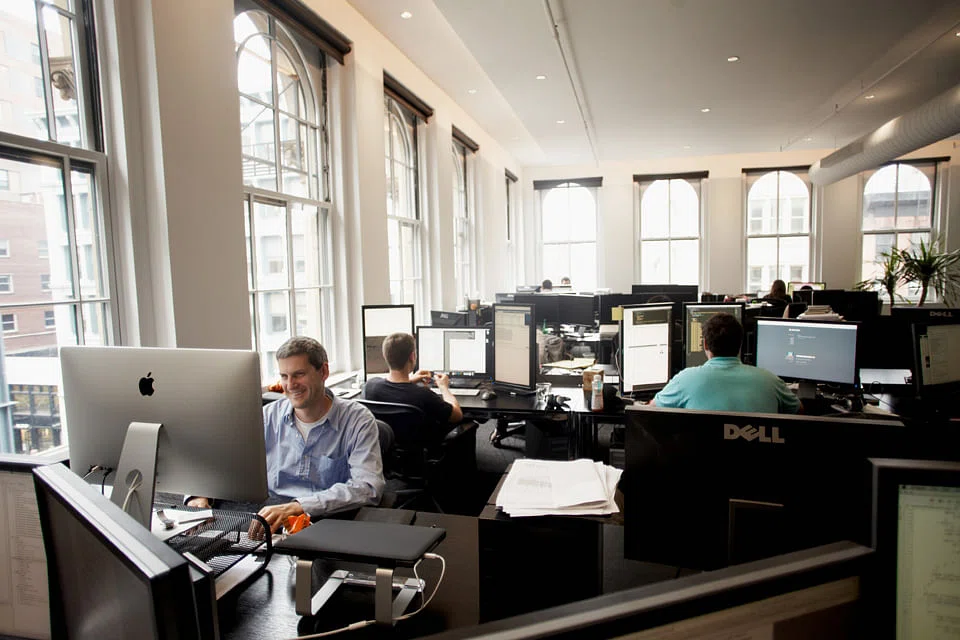
Ireland and Singapore have made huge investments in digital tech, fintech, digital payment platforms and e-commerce platforms for banks and financial institutions. The Irish government recognises the value of research and innovation and is committed to increasing its engagement with researchers and innovators globally.
Medical devices and pharmaceuticals form the largest category of goods exported from Ireland, and they account for 40 per cent of total Irish goods exports.
The Covid-19 pandemic has accelerated and strengthened the importance of global interaction to find effective solutions. Ireland has several advantages in this global race, namely:
- Its growing reputation for scientific excellence
- Its world leadership in generating and using new knowledge for economic and social progress.
The advent of the pandemic prompted Ireland to make significant research and application of digital medicine. This includes the participation of Irish researchers and enterprise in EU research and innovation investment programmes such as Horizon Europe and Horizon 2020, as well as bilateral cooperation with key partner countries.
Bourne said he was pleased to see antigen rapid tests made in Ireland being used in Singapore, and he added that many stents and other medical devices used here are also made in Ireland and exported worldwide.
Computer services form the most significant category of Irish services exports, and account for 55 per cent of total exports. Irish agriculture and food products are well-known internationally, and the agrifood sector is Ireland's largest indigenous sector.
Total employment by companies supported by Enterprise Ireland in 2021 was 207,894. Total employment by companies supported by IDA Ireland in 2021 was 275,000.
Food and drink
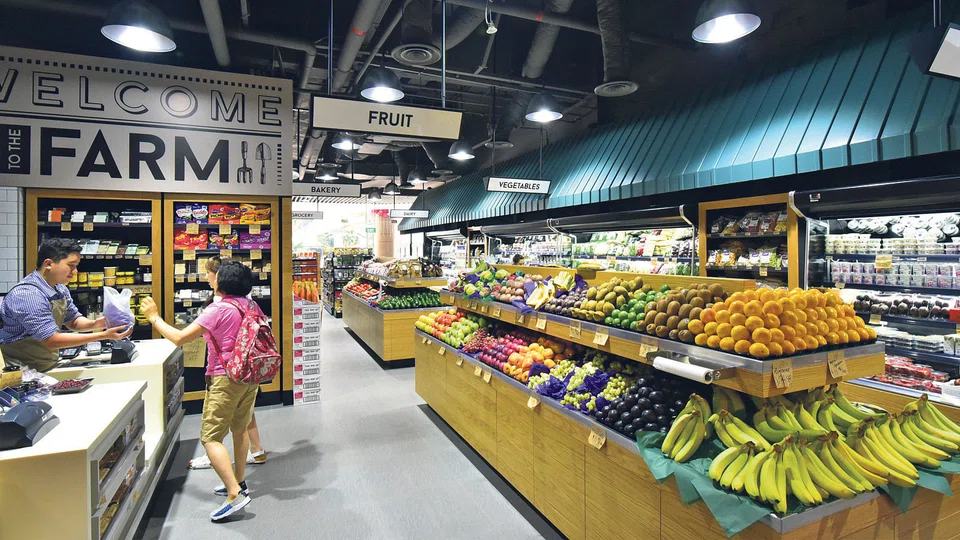
Ireland is well-known for its food and drink, such as Kilkenny beer, Guinness Stout, and Kerrygold butter. Agriculture is still an important part of the Irish economy and more than 160,000 people are employed in the agrifood sector, making up almost 8 per cent of total national employment.
Great place to study
Ireland's highly educated workforce is a sterling testimony to the high standards of Irish education. Irish universities are in the top 1 per cent of research institutions in the world in terms of research impact in 19 fields spanning natural sciences, social sciences and the humanities.
An independent study showed that Ireland was ranked as No 1 in international student satisfaction among 18 European countries surveyed. The study found that Irish higher education institutions ranked highly for their community atmospheres, innovative programmes and support structures for students, as well as their multicultural mix and student life.
Tourism hotspot
Tourism is one of Ireland's most important industries, and overseas tourists account for 75 per cent of Irish total tourism revenue.
The tourism sector is estimated to have contributed more than 9 billion euros to the economy in 2019 and supported approximately 260,000 jobs, an increase of 30 per cent since 2014.
The Covid-19 pandemic had a catastrophic impact on the Irish tourism industry. But this year as international air travel resumes globally, a record level of funding has been allocated to tourism in the Irish budget - 288 million euros in total, including 50 million euros for business continuity supports and a 35 million euro increase to the Tourism Marketing Fund to help restore inbound tourism to Ireland.
TRENDING NOW

Nvidia reinstates Jensen Huang as CEO; Trump says move poses no national security risk

Beyond the greenback, Vietnam’s big borrowers turn to Asian-currency bonds

Indonesia’s coal tycoon Low Tuck Kwong replaced as Bayan Resources president-director

Six workers file employment claims against Crystal Jade Food Manufacturing

