

5 Questions with founder-turned-investor Ooi Hsu Ken

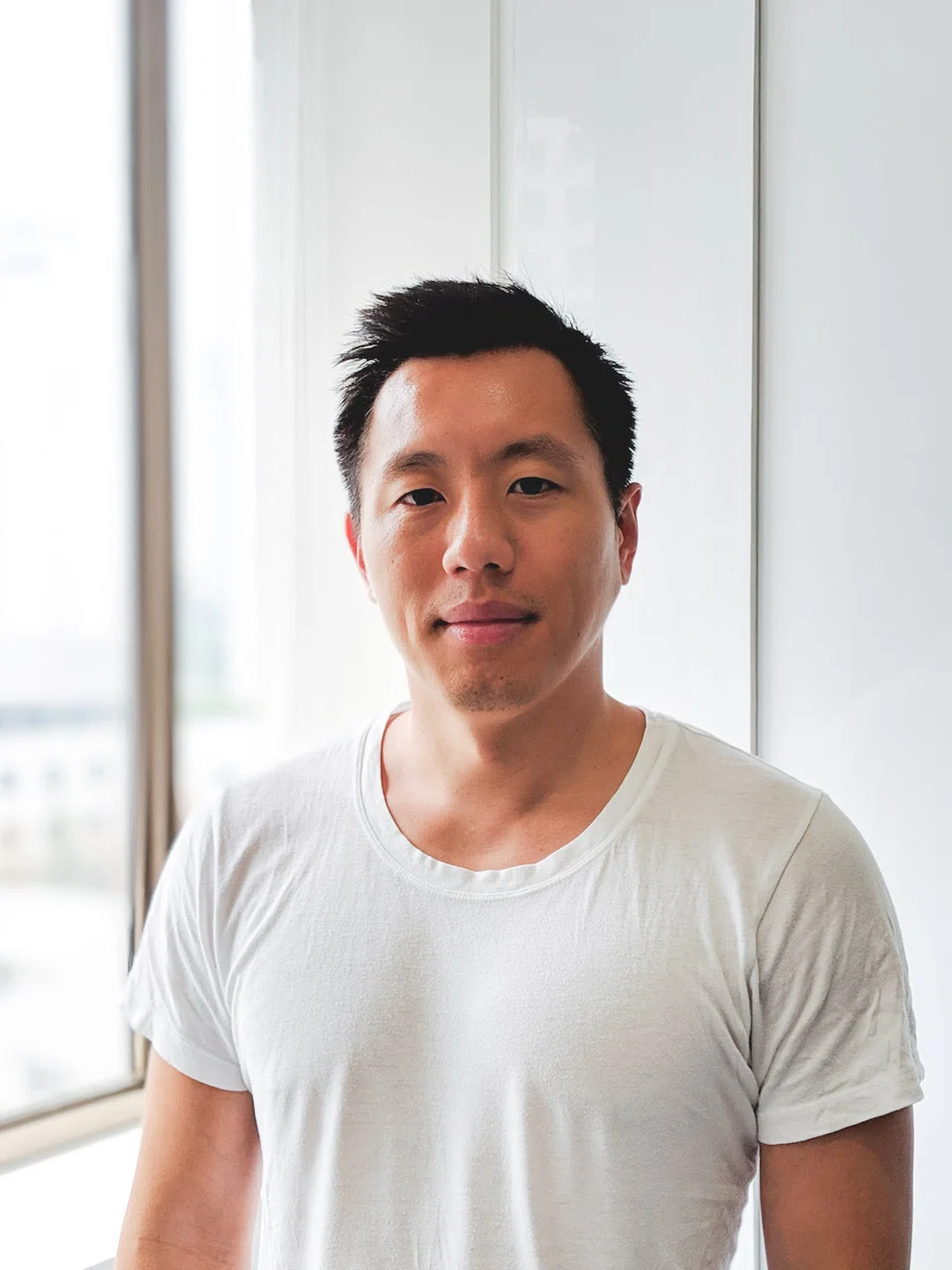
A LARGE majority of venture capitalists have a background in finance. Few have tasted both failures and success as a founder, unlike Ooi Hsu Ken, co-founder and general partner at South-east Asian tech accelerator Iterative.
His first startup Eggsprout, which aggregated and mined resumes, shut after 18 months and three pivots. It was Ooi’s second startup, Decide.com, that brought success and an exit via an acquisition by eBay.
With a degree in math rather than finance, Ooi shares with Garage about the differences between being an operator and investor, and how you should enjoy the ride.
1. What were some lessons you took from your time running a startup to running a fund?
We primarily treat Iterative like a startup. I feel that most venture capital firms approach it from a finance perspective, probably because most venture capitalists come from a finance background.
If you took a group of builders such as engineers and designers, and asked them to build a venture capital firm, you would get something like Iterative. Like a startup, we’re primarily concerned with building systems and products, and have weekly goals and objectives our teams need to achieve.
As someone on our team is fond of saying, we’re trying to build a system that requires linear work and produces exponential return.
2. In the transition from operator to investor, what’s the main difference you’ve discovered between both?
Being an investor is easier. Other investors might get mad at me for saying that, but it’s true. It’s not to say being an investor is easy, but it’s easier than being a startup founder.
There are two reasons for this.
First, as an investor, you are not in constant fear of the firm dying in six months. You raise a fund with a five to seven-year time frame and a two per cent management fee, so you know you’ll be alive for at least that long.
As a founder, you are in constant fear of death. At most, you have 18 months to live and need to figure out how to grow enough to get another 18 months. It’s a constant, persistent worry.
Second, as an investor, you aren’t worried about whether what you’re doing should exist and whether it’s possible to build a business on it. Venture capital has been around for decades, and some people have built huge businesses doing it. The only reason we wouldn’t succeed as venture capitalists is because we aren’t very good at it.
As a founder, you have this constant, persistent fear that what you’re building isn’t something people want and shouldn’t exist. Even if you do think it should exist, you aren’t sure you can turn it into a business. When I was studying math in school, there was this constant fear among PhD students that the problem they were working on had no solution. If it didn’t, they would have wasted years trying to solve something that cannot be solved. That’s what being a founder feels like.
3. What’s the biggest setback you’ve encountered?
Nothing stands out because setbacks are so common and persistent when you’re starting something. I’ve seen my bank account go to zero because we weren’t paying ourselves. I’ve had to get up in front of my company and tell everyone things were going to be okay, even though we were two weeks from running out of money and we were definitely not okay.
But every founder has these stories. That’s what you’re signing up for.
4. What is one thing you would tell your younger self?
Slow down and enjoy it. I was so singularly focused on being successful, despite not having any idea what being successful means, that it was all a blur. We started the first company when I was 25, and it was acquired by eBay when I was 30. I remember almost nothing from those five years.
I think it’s possible to be successful and enjoy the ride. I wish I had done that.
5. What’s the best advice you’ve received, and what was the context?
Nothing comes to mind. I find most advice to lack nuance and be kind of cliche. Often, the most commonly repeated advice is repeated because it sounds nice or seems deep, but is practically unhelpful.
If you’re forcing me to give anyone general advice, it’d be to go figure it out for yourself. What works for me, might not work for you. You have to go figure out what works for you.
TRENDING NOW

Fed hike throws Singapore banks a margin lifeline; UOB most likely to feel impact

He built the Vingroup empire. Now South-east Asia’s richest man is handing some key roles to his sons
Real-estate veteran Desmond Sim quits from CEO roles at Realion, ETC

Chagee, Mixue and Luckin won the market. Sustaining their edge is the harder part

