

5 Questions with journalist turned crypto investor, Jon Russell
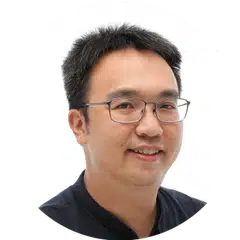
Benjamin Cher
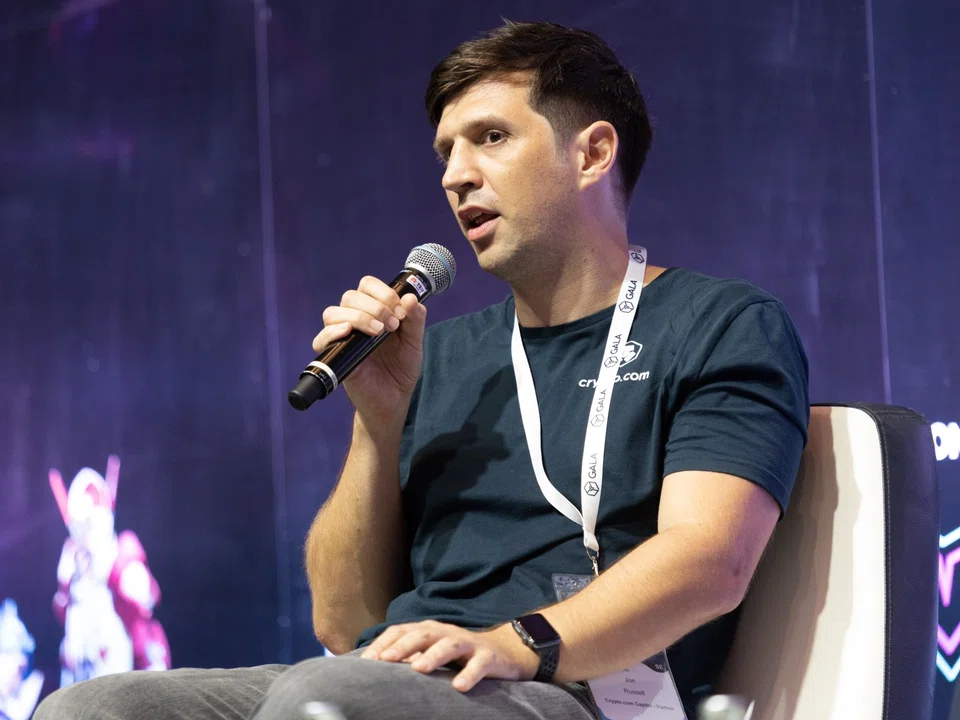
MOST venture capital (VC) firm partners have a background in banking or were founders themselves, but Jon Russell’s journey to becoming partner at Crypto.com Capital is quite unconventional.
Russell is most well known for his time at tech news site TechCrunch, where he came into his own, writing stories about the startup ecosystem in South-east Asia and uncovering scoops on funding and other developments. This might seem worlds apart from what partners at VC firms do, but as Russell puts it, there is some synergy between the two.
In this month’s 5 Questions, Russell tells us how the transition has been for one of the unlikeliest VC partners in the ecosystem and what his take on crypto is.
1. As a journalist, you were known for some investigative stories that sniffed out questionable companies. How did that experience prepare you – or not – for life as a venture capitalist?
As a journalist, there’s nothing more satisfying than producing facts, information or truths that were not known to the public, or had been doubted. As an investor, getting to the bottom of a company, how it works and its founders is mission critical so I’ve certainly found synergy in the two. Being naturally sceptical or somewhat pessimistic from the outset is also a good way to enter conversations with startups as it forces the founders or the pitch to really win you over.
2. How has that experience translated into your current role?
I still maintain that there are few things as satisfying as producing insightful stories which are read by many, but I’ve also learned that it is a real privilege to work with world-class founders and help them build up game-changing businesses. As an investor, you are a support system and extension of the team with the sole goal of helping the founders and their company grow. That requires analysis, mapping out opportunities and maintaining great relationships, similar ingredients to great journalism.
3. What is one thing you would tell your younger self?
This is somewhat cheesy but I think it’s good to embrace the pathway and not worry about reaching places fast. Getting your dream job in your early 20s is what we all set out to do, but it’s very healthy to explore different avenues until you find one that suits you. For example, I didn’t get into reporting until I was nearly 30 but the experiences that took me there made me appreciate it all the more. I hope the same can be said of my investing career, which I began aged 39!
4. What’s the best advice you’ve received, and what was the context?
Great mentors and managers have pushed me to take control of my role and dream bigger than being a cog in the machine. That’s not advice per se, but I’ve learned empowering my own teams and colleagues is the best way to help them develop and perform to their full potential. Too many conventional jobs don’t allow for these growth opportunities, and that’s where I believe technology companies and startups can really have an edge.
5. What’s your take on the future of crypto in South-east Asia?
The future is very bright for South-east Asia for a few reasons. Firstly, retail adoption of Web3 projects and ownership of tokens is proportionally high compared to much of the world. Be it Indonesia, the Philippines, Vietnam or Thailand, people appear naturally more wired and interested.
Then you have governments that are taking a different approach to Western markets by embracing technology and looking at how they can work with Web3 companies. Tied into that, we also see a lot of large corporations in Asia actively exploring how they can bring Web3 components into their businesses. There’s a real hunger to use technology to leapfrog.
Then, most importantly, we see strong entrepreneurs in this region – a large chunk of the 60 plus deals we’ve done in our first year at Crypto.com Capital is for South-east Asia-based companies, and we see promising, new companies emerging often… even in this time of challenging financial markets.
The recent collapse of FTX – which followed similar demises for hedge fund Three Arrows Capital and crypto project Luna earlier this year – will have hurt investors based in Asia, but ultimately the future of the industry globally, and in South-east Asia, is all the brighter if business standards are raised across the industry. The fall of these businesses is likely to mean broader adoption from investors and institutions will take more time, but already we see huge financial players like Fidelity, Nomura, Citadel and others embrace digital assets.
TRENDING NOW
‘My grandfather’s legacy’: Sherman Kwek lays out three-year plan for CDL to drive returns
‘How many will survive?’: Bubble fears arise as China’s humanoid robotics face reality check
CDL to hire dedicated CEO for fund management as it steps up push into private funds

Stock to watch: Mapletree Industrial Trust

