

AI-led innovation, overseas growth and Sony venture: How screen champion sharpens its profitability
TCL Electronics is using artificial intelligence, overseas expansion and a planned strategic venture to deepen its push into premium global home entertainment
 Add BT as a preferred source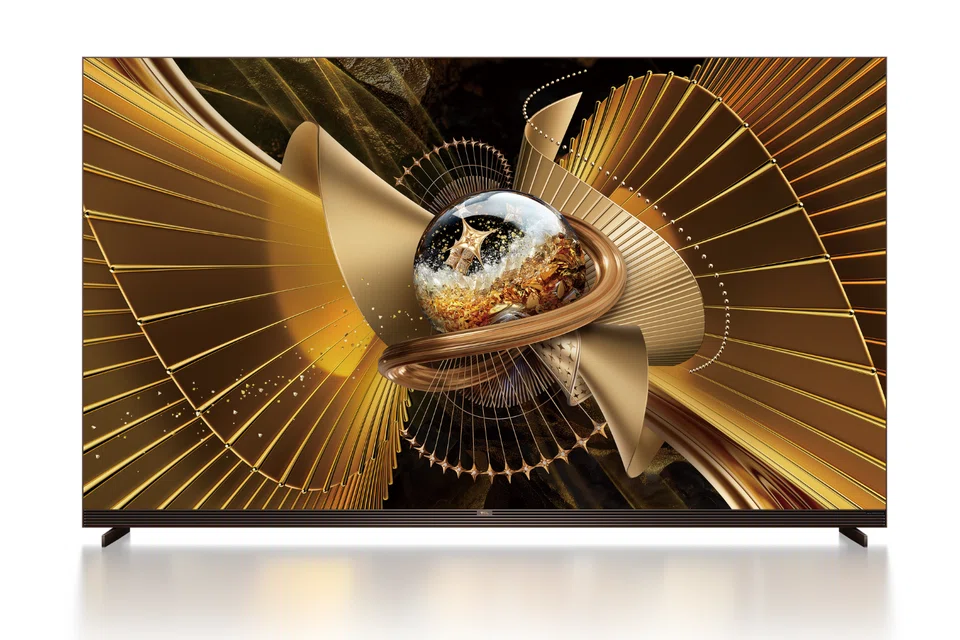
THE global home entertainment market is becoming more selective, with larger screens, premium display technologies, and smarter connected services taking a bigger share of value.
This big picture is reflected in Hong Kong-listed TCL Electronics (SEHK: 1070.HK)’s 2025 earnings, which show that the group is selling a richer mix of screens and building new revenue streams as it extends into the premium global home entertainment business.
In 2025, TCL’s revenue went up 15.4 per cent year-on-year to HK$114.6 billion, while adjusted profit attributable to owners of the parent reached HK$2.5 billion, up 56.5 per cent.
The strong showing comes despite a challenging global demand environment, marked by high inflation and softer consumer spending in some mature markets.
In a sign of TCL’s sustained commitment to returning capital while supporting growth since 2017, the board proposed a final dividend of HK$49.8 cents a share, up 56.6 per cent from a year earlier and the highest in five years.
Profit aside, TCL’s cash and cash equivalents jumped 54.2 per cent year-on-year to HK$13.5 billion, while net gearing ratio remained at zero, indicating that it has both stronger earnings quality and the funds to keep investing while returning capital to shareholders.
It matters as TCL expands to become a global premium home-entertainment player.
On March 31, Sony and TCL agreed on a joint venture in the home-entertainment field, in which TCL will hold 51 per cent and Sony 49 per cent, subject to approvals.
The new firm, which combines Sony’s premium brand and product heritage with TCL’s manufacturing scale, display know-how and supply-chain depth, is expected to begin operations in April 2027.
It will take in product development and design, manufacturing, sales and logistics, and customer service for products including BRAVIA televisions, business displays, projectors and home audio equipment.

The logic of the partnership is clearly rooted in TCL’s display business, which remains the group’s foundation. Display revenue rose 9.2 per cent in 2025 to HK$75.8 billion, while gross margin widened to 16.5 per cent.
TCL maintained its position as the world’s second-largest TV brand by shipment volume, with a 14.7 per cent global shipment share.
The more revealing numbers sit further down the ladder. Global shipments of 65-inch-and-above TVs rose 22.7 per cent, 75-inch-and-above shipments increased 21.7 per cent, and Mini LED TV shipments surged 118 per cent.
TCL’s share of the Mini LED TV market reached 31.1 per cent, ranking first globally, while its average shipment screen size rose to 54.2 inches.
Bigger screens, wider reach
Much of the momentum came from overseas. Revenue from large-sized display products in international markets rose 15.7 per cent from a year earlier to HK$47.5 billion, while gross profit from that business jumped 29.4 per cent to HK$7.2 billion.
Shipments of 65-inch-and-above and 75-inch-and-above TVs overseas have surged, while international Mini LED TV shipments leapt 228 per cent and gross margin improved to 15.1 per cent.
TCL’s strategy to focus on these areas makes it well placed for where the market is heading.
Technology research and advisory firm Omdia expects global TV set shipments to exceed 210 million units in 2026, helped by FIFA World Cup promotions, while Mini LED backlight shipments are forecast to grow 16.9 per cent.
TrendForce, meanwhile, expects Mini LED TV penetration to rise to 10 per cent in 2026, with shipments approaching 20 million units.
Beyond that, TCL’s newer growth engines are contributing at different stages of maturity.
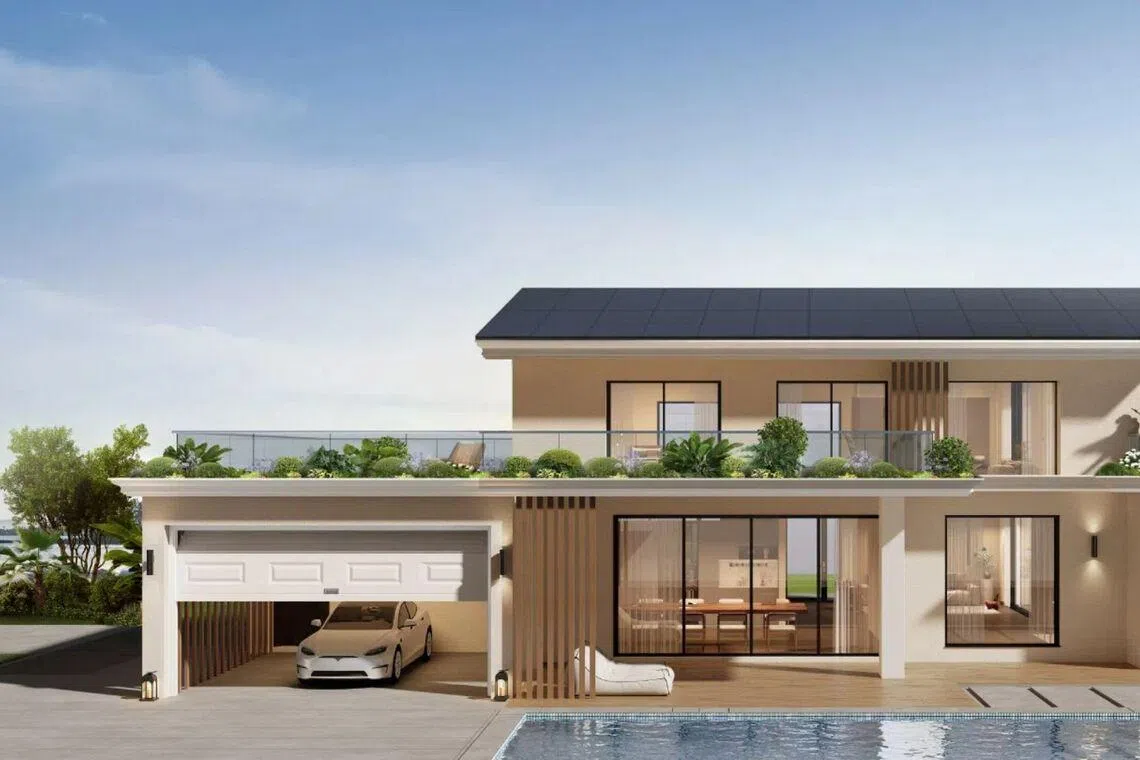
Photovoltaics, a technology that converts sunlight to electricity, is already TCL’s second earnings driver: revenue surged 63.6 per cent to HK$21.1 billion and gross profit was up 47.5 per cent to HK$1.8 billion.
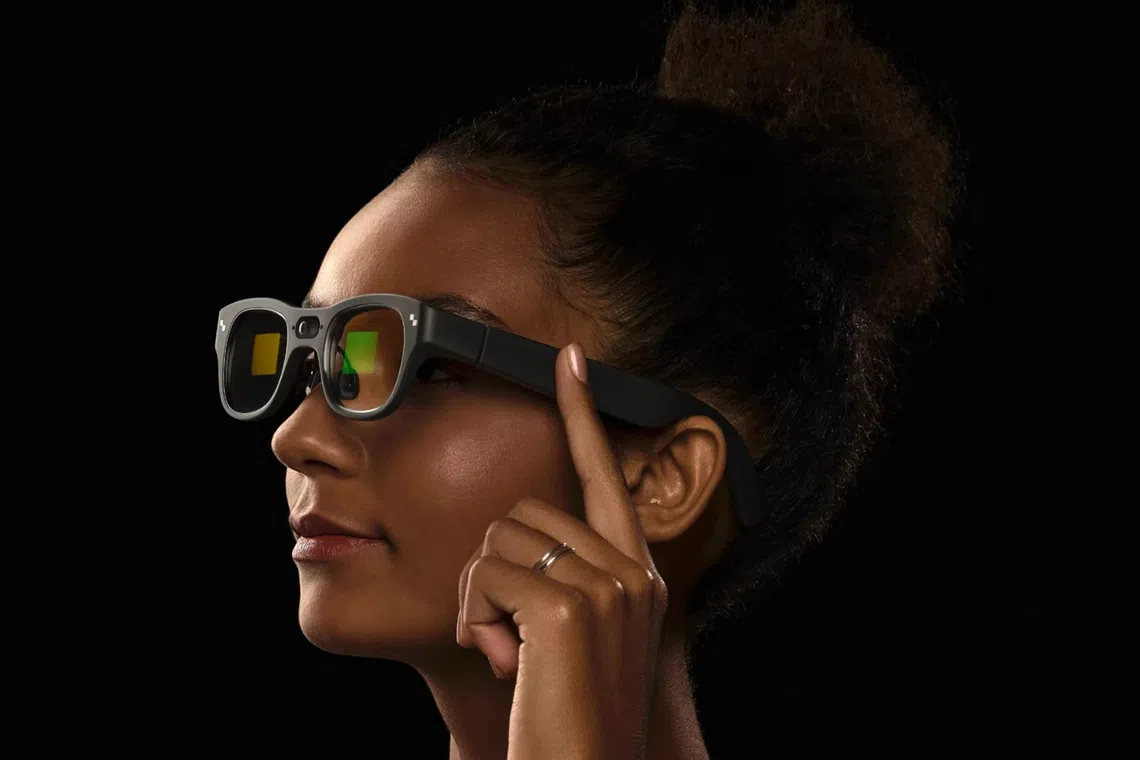
RayNeo, TCL’s smart-glasses and augmented-reality (AR) device brand, by contrast held a 32 per cent share of China’s artificial intelligence (AI) and AR glasses market in 2025, as well as a 35.4 per cent share of the country’s online AR glasses market.
While it may sound niche, market data provider IDC said global extended reality device shipments grew 44.4 per cent in 2025, driven primarily by smart glasses, even as traditional virtual reality and mixed reality headsets declined.
This makes RayNeo a strategic bet on the next wave of immersive, screen-based experiences.
And with consumers leaning towards a better home entertainment experience, TCL’s approach is to build a home internet and AI ecosystem.
To support this, TCL’s internet business is becoming a meaningful profit pool. Revenue from the segment rose 18.3 per cent from a year earlier to HK$3.1 billion in 2025, while gross margin held at 56.4 per cent.
The long game in clearer view
The group’s performance is underpinned by a broader push into AI, digitalisation and disciplined execution.
TCL has rolled out AI applications across research and development, manufacturing, supply chain and sales, while its refined channel management has lifted coverage of the top 50 channels to more than 95 per cent.
Those efforts, together with economies of scale and efficiency gains, helped bring down the overall expense ratio, which dipped 0.7 percentage points to 11.1 per cent. Strengthening of its global supply chain also positions it to better navigate geopolitical and demand volatility.
Taken together, the 2025 results point to a company that is no longer defined solely by TV volumes but one that now has a stronger premium display franchise, a higher-margin internet platform, a fast-growing photovoltaic business, early exposure to next-generation devices, and a planned Sony venture that would give it more heft.
For investors, TCL’s continued growth demonstrates a clear strategy: using the dual engines of globalisation and AI-led innovation to scale its business and sharpen profitability. This is proven by its 2025 results.
Globally, TCL’s TV shipments ranked among the top two, while holding a top-three market share in over 20 countries, including Australia, Argentina, France, Brazil, the US and South Korea. In addition, its RayNeo AR glasses achieved the number one market share in China.
The frame, in other words, has broadened towards a future built on premium devices, connected services and AI-led experiences.
Learn more about TCL Electronics’ latest products and innovations.

Share with us your feedback on BT's products and services
TRENDING NOW

Abandoned ‘Titanic’, failing ‘ancient towns’: Why China’s tourism boom leaves white elephants behind

‘I felt like dying’: Thai Singha beer scion speaks up after disclosure of alleged sexual abuse
SpaceX surge further boosts Saudi billionaire prince’s fortune

Singapore’s total employment growth slows in Q1; job vacancies dip while retrenchments inch up

