

Experience of entrepreneurship draws NUS students to NOC programme

Benjamin Cher


WHEN Megan Tan was looking into universities for her education, the National University of Singapore Overseas Colleges (NOC) programme stood out in her mind.
“I knew for sure before going to university that I wanted at least one year of overseas experience within my tenure in university. So definitely that was one of the big factors that made me choose NUS,” she said.
The NOC programme offers students a chance to work in an overseas startup for a year as part of their university curriculum. NOC alumni include Carousell co-founder Quek Siu Rui, 99.co founder Darius Cheung and Patsnap founder Jeffrey Tiong.
Tan, a law student currently going through the NOC programme in San Francisco, is interning at WI Harper, a cross-border venture capital fund. In her job, she takes on work from due diligence to deal sourcing to financial modelling.
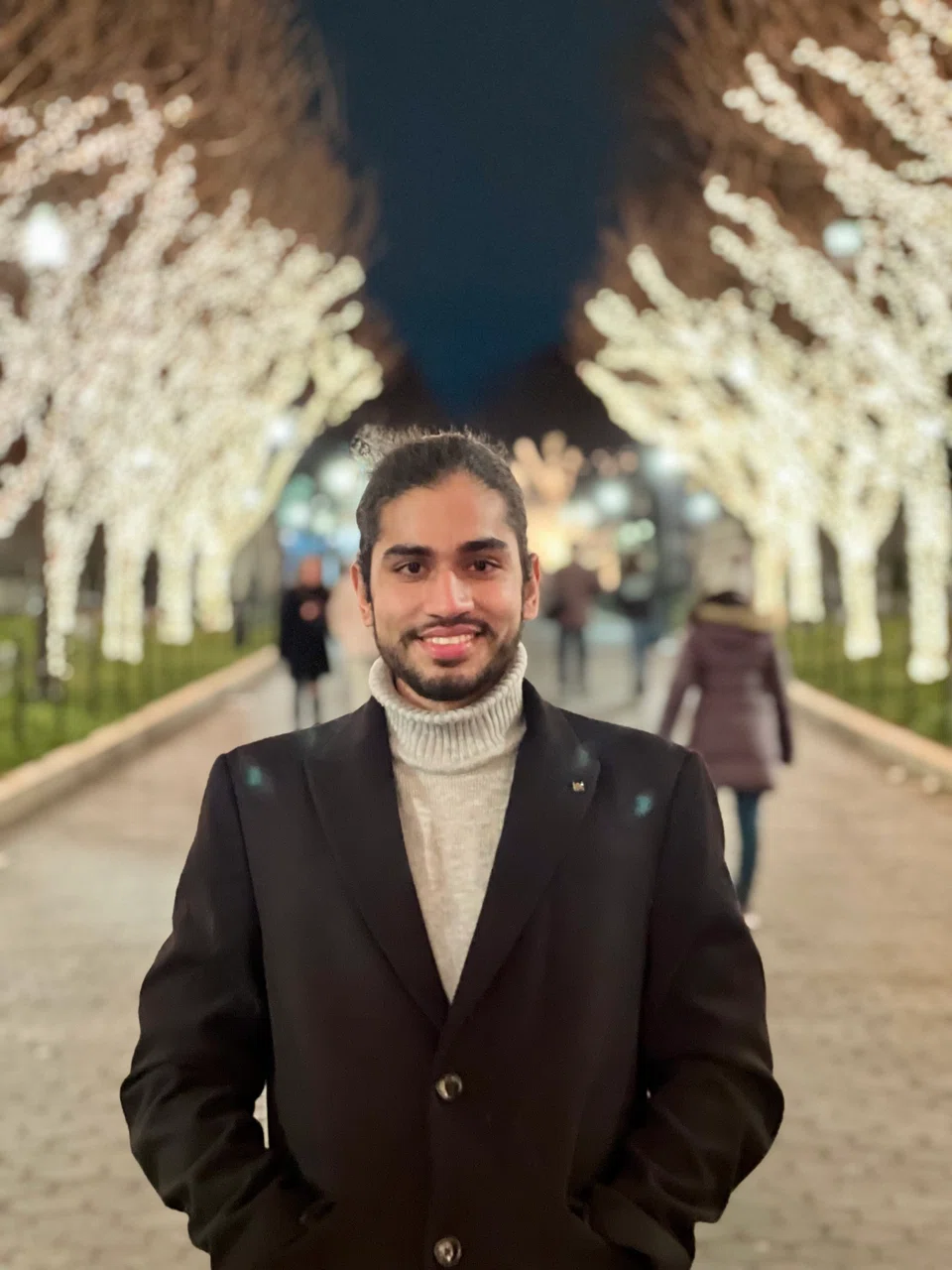
Nirat Singh Rajpal, another NUS student in the programme but from the Faculty of Arts and Social Sciences, is interning with the portfolio management team at equity crowdfunding platform Republic in New York City.
This is his second stint in NOC, having done an earlier three-month internship remotely with Block 71 Indonesia, an ecosystem builder run by NUS Enterprise.
Out of his stints, he saw clear differences between business in South-east Asia and the US. Rajpal’s stint at Block 71 Indonesia saw startups focused solely on solving issues in Indonesia, such as financial inclusion.
“In the US, the companies have to be more tech-driven, more focused on the future rather than making things more efficient,” he noted.
For Mohamed Kasshif, an NOC student interning at debt repayment fintech Clerkie in San Francisco, the first-hand experience at a Silicon Valley startup is invaluable.
“Understanding how the business works from the inside out by working closely with the leadership team as well as honing my technical and business skills to a level that is compatible with the standards in Silicon Valley,” he said.
While the NOC programme has made it easier for students to find internships and sort out visa issues, it isn’t plain sailing. Prioritisation has been Kasshif’s biggest challenge.
“There are so many things you could do during your one-year stint in the Bay Area – academics, hackathons, projects, and networking aspects,” he said.
Integrating into the local culture and community also required some adaptation.
“At work, it is unlikely that you and your colleagues will be best friends; you have to intentionally create opportunities to meet people, which was more challenging at the start,” Tan said.
But the transplantation has pushed NOC students to do things they ordinarily would not do back home, from meeting different kinds of people to moving out of their comfort zone.
“I wouldn’t have had the confidence to pitch business ideas to people I just met. A common thing here is that people exchange ideas and talk about why they are passionate about it,” said Kasshif.
There are also some sacrifices to be made. For instance, Tan had to extend her time in NUS by half a year to do her NOC stint, as the modules offered did not completely match those required for her law degree.
Building the next generation
As part of their NOC curriculum, students create new ventures to work on. Outside of that, Kasshif, Rajpal and Tan are currently building their own startups.
“We’re a team of five, all NOC students. It’s a great experience to try something on your own after you hear so many stories of how people have executed an idea,” said Rajpal. His startup is working on automating meeting minutes.
A S$10,000 grant under the NUS Venture Initiation Programme is also available, and both Kasshif and Tan have been awarded the funds to continue working on their startups.
Kasshif is building a decentralised finance startup, having come up with the idea after working at fintech startups. Tan’s proposition is a spend management app, looking to integrate different savings, brokerages and credit card accounts for users to have a single view of their finances.
No stranger to entrepreneurship, Tan had, before entering the NOC programme, set up TaCo, short for Taster Course, which offered a taste of what university courses would teach. “If you’re really interested in startups, just try starting something up by yourself. I think that was one of the main things that helped me get into NOC,” she said.
Rajpal recommends finding mentors who have gone through the NOC programme, to figure out if it is the right fit. “One thing I really enjoyed was building the mentor/mentee relationship within the startup ecosystem. That can really push your limit and be that differentiating factor to get into the programme,” he added.
TRENDING NOW

One-third of Singapore-listed firms at risk in severe AI downturn: MAS

‘Not done’: Keppel CEO Loh Chin Hua transformed the group, but says there’s ‘still a lot to do’

He built the Vingroup empire. Now South-east Asia’s richest man is handing some key roles to his sons

‘We don’t want to stay as we are’: CEO Patrick Ng builds a more resilient Huationg

