Ex-Google top execs launch wealth platform targeting the affluent but not wealthy

Claudia Chong
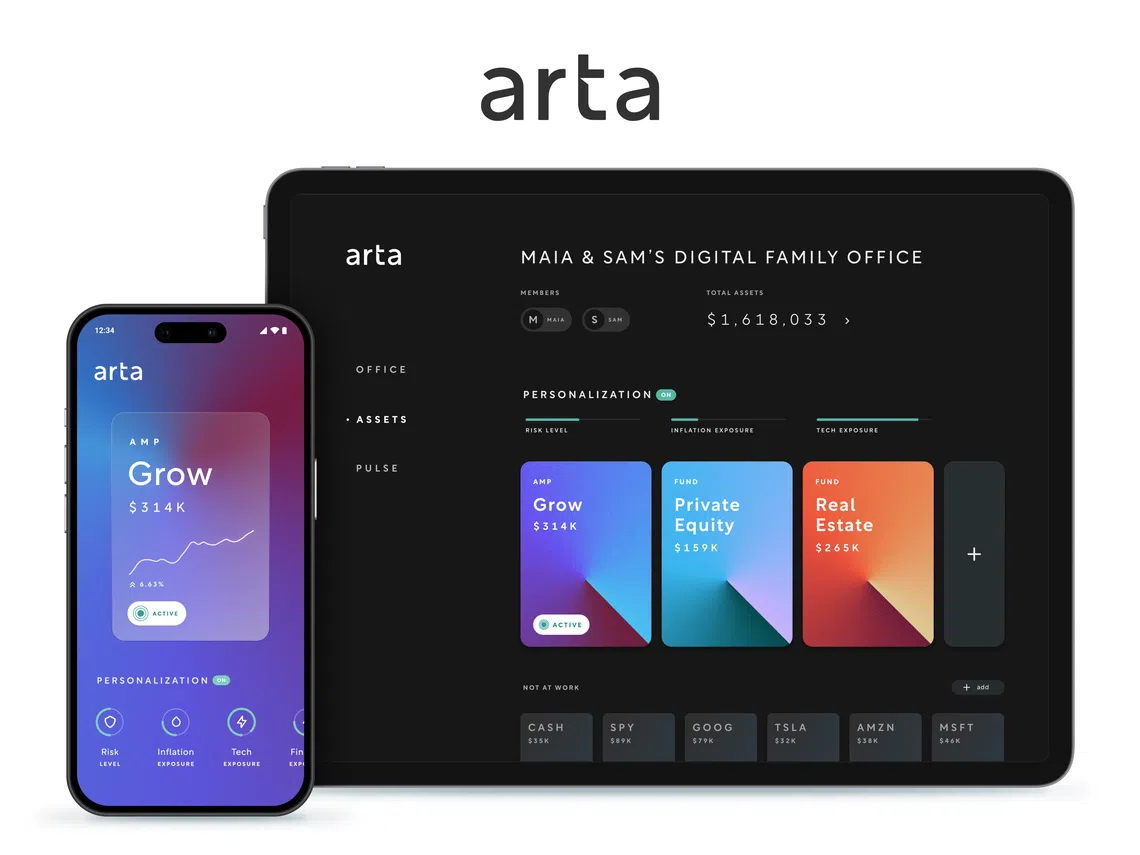
ARTA Finance, founded by former leaders at Google, has launched a platform combining quant investing with robo advisory with an aim to bring a “digital family office” to the masses.
Arta, formerly known as Arbo Works, raised over US$90 million to build a platform that offers accredited investors advantages normally available only to the wealthy. This includes access to private equity, borrowing against assets, and creating highly personalised portfolios of stocks, bonds, options and leverage – managed by artificial intelligence (AI).
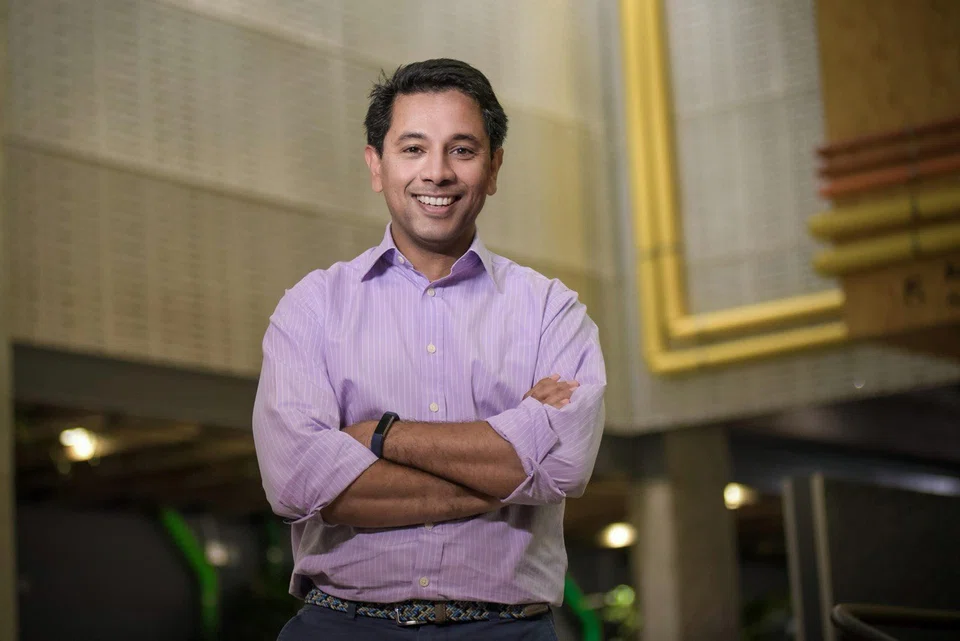
About half of the startup’s 67-member team is made up of former Google employees, including CEO Caesar Sengupta.
The company’s AI-managed portfolios challenge the typical passive investing robo-advisory model that offers straightforward products based on a limited number of inputs from clients, said Sengupta, who led Google’s efforts in payments and building products for the next generation of Internet users.
Arta launched on Wednesday (Nov 2) in the US, where it is registered as an investment adviser with the Securities and Exchange Commission. The startup intends to be licensed in Singapore as well, where it has its dual headquarters in addition to California.
It has partnered the world’s largest custodian bank BNY Mellon to give clients a line of credit against their assets, a service that is typically accessed through private banks serving wealthy individuals.
“This means members can stay invested in the market instead of selling their stocks at the wrong time for a short-term expense, like a house downpayment or tax bill,” the startup said in a statement.
Clients can also access private equity, venture capital, private debt and real estate funds with a lowered minimum investment of US$10,000. Arta said it is working with top fund managers such as KKR, Blackstone and Carlyle.
Sengupta left Google after nearly 15 years to start Arta with seven other long-time colleagues, including Google Pay’s former head of growth Charles Dong, and Google Research’s Chirag Yagnik, a quant trader and machine learning researcher.
Over the last year, Arta raised early-stage funding from Sequoia Capital India, Ribbit Capital, Coatue Management and more than 140 angel investors including Betsy Cohen and Google’s Eric Schmidt. (see amendment note)
The team wants to target affluent households whose needs are outgrowing retail banking, but aren’t being served well by private banking and can’t set up family offices. About 59 per cent of the world’s wealth, or US$272 trillion, is being controlled by individuals who have between US$100,000 and US$5 million in net worth, according to Arta’s research.
Sengupta said he and his colleagues faced the same issue during their time at Google, as their careers progressed and they got wealthier.
“We would have conversations about our own finances. At the same time, we would see people who were further along in their careers, like the founders of Google, or (Google CEO) Sundar… we would see how they had the financial superpowers – they would set up family offices, they would have access to opportunities,” said Sengupta.
The Arta team saw a chance to address the gap by using AI and human expertise to scale up these investment services for the masses.
“This starts with you declaring what level of risk you are comfortable with to gain the expected returns. AI-managed portfolios then model risk across several factors including individual and macroeconomic factors like sector and geographic exposure, interest rates, currency and technical factors like momentum and reversal,” said Sengupta.
Each portfolio is customised according to inputs such as the user’s assets and holdings, and their strategic preferences for investments. The company said it is exploring different pricing models with a group of initial users, including performance-based pricing or a percentage fee of assets under management.
Arta’s business is a largely unproven model but Sengupta believes its team of product builders, machine learning researchers and finance professionals have a good shot at making it work.
“It would have been easy to just build yet another quant hedge fund but that would not have been so satisfying or fulfilling for most of us. This is way more fun and meaningful to us,” he said.
Amendment note: A previous version of this article stated that the funding from Sequoia, Ribbit Capital and others was raised in a seed round, when it was raised across seed and Series A rounds.