

Deployed across 3,000 points regionally: How this S’pore innovation that helps prevent falls went from prototyping to production
Together with Enterprise Singapore, firms like CoNEX Healthcare, Angelini Ventures and Advanced MedTech illustrate how clinical partnerships, investment and local expertise can help healthcare businesses reach overseas markets
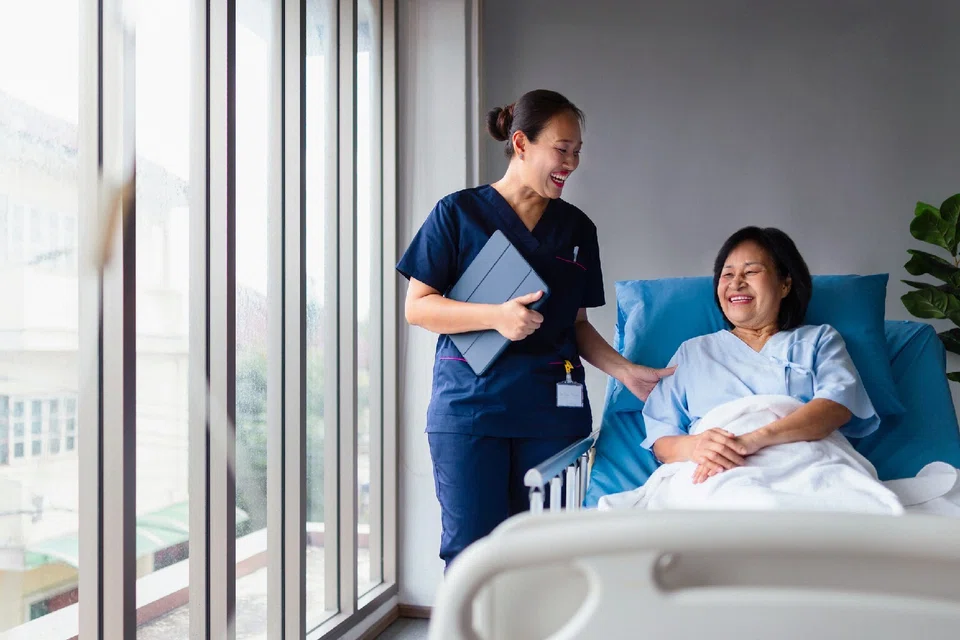
WHEN Singapore company CoNEX Healthcare took its patient-monitoring technology overseas, it invited nurses from Tan Tock Seng Hospital (TTSH) along to share their firsthand experience using it.
Named PreSAGE, the system uses thermal sensor technology and artificial intelligence to alert staff when patients are about to get out of bed, helping nurses intervene earlier to prevent falls.
The nurses’ accounts helped open doors to hospitals in Thailand and Australia, says CoNEX co-founder Tan Swee Yen.
But their role began long before those conversations. Back in the wards, the nurses had helped refine PreSAGE’s first 15 deployed prototypes, suggesting how alerts should reach staff and when alarms should stay silent.
“Throughout the development of PreSAGE, our nursing partners shaped the product as much as our engineers did,” says Tan, herself an engineer.
The partnership started in 2013 when Tan’s mother was hospitalised at TTSH after a fall at home. A chance conversation with the hospital’s then-chief nurse about inpatient falls prompted her to explore how technology could help nurses intervene earlier.
With grant support from Enterprise Singapore (EnterpriseSG), then known as SPRING Singapore, Tan and her co-founder developed and tested PreSAGE with TTSH. Following successful clinical validation in 2018, they founded CoNEX in 2019, backed by investors including doctors, business leaders, venture capitalists and SEEDS Capital (part of SG Growth Capital).
CoNEX drew on further EnterpriseSG support to refine the product and scale up manufacturing. Today, PreSAGE has more than 3,000 live deployments across Singapore, Thailand, Hong Kong and Australia.
With its technology clinically validated and deployed in multiple markets, CoNEX’s journey also illustrates a broader challenge for biomedical companies: a strong product is only the starting point.
While clinical validation can give companies the credibility to take their solutions to new markets, scaling takes more than a proven product.
“Companies also need access to capital, commercial expertise and the right networks to grow internationally. Singapore brings these different parts of the ecosystem together to help biomedical companies turn innovation into globally competitive businesses,” says Clarice Chen, EnterpriseSG’s director for Healthcare and Biomedical.
Drawing global capital and expertise
From 2022 to 2025, local biotech, medtech and digital health start-ups closed 266 fundraising deals, raising US$2.56 billion (S$3.27 billion) to help them advance their innovations from early-stage to market-ready solutions.
Beyond the financial injections, specialist investors also contribute commercial resources and know-how. One such investor is Angelini Ventures, the healthcare venture capital arm of Italy’s Angelini Industries. The firm opened its first Asian office in Singapore in 2025.
Earlier that year, it co-led a US$45 million Series B funding round in Singapore biotech firm Neuvocor, making that its first investment in Asia. EDBI and SEEDS Capital, both investment platforms under SG Growth Capital, participated in that round for the spin-off from the Agency for Science, Technology and Research (A*STAR).
Angelini Ventures’ presence here allows the firm to interact more closely with emerging healthtech and biotech ventures in Singapore.
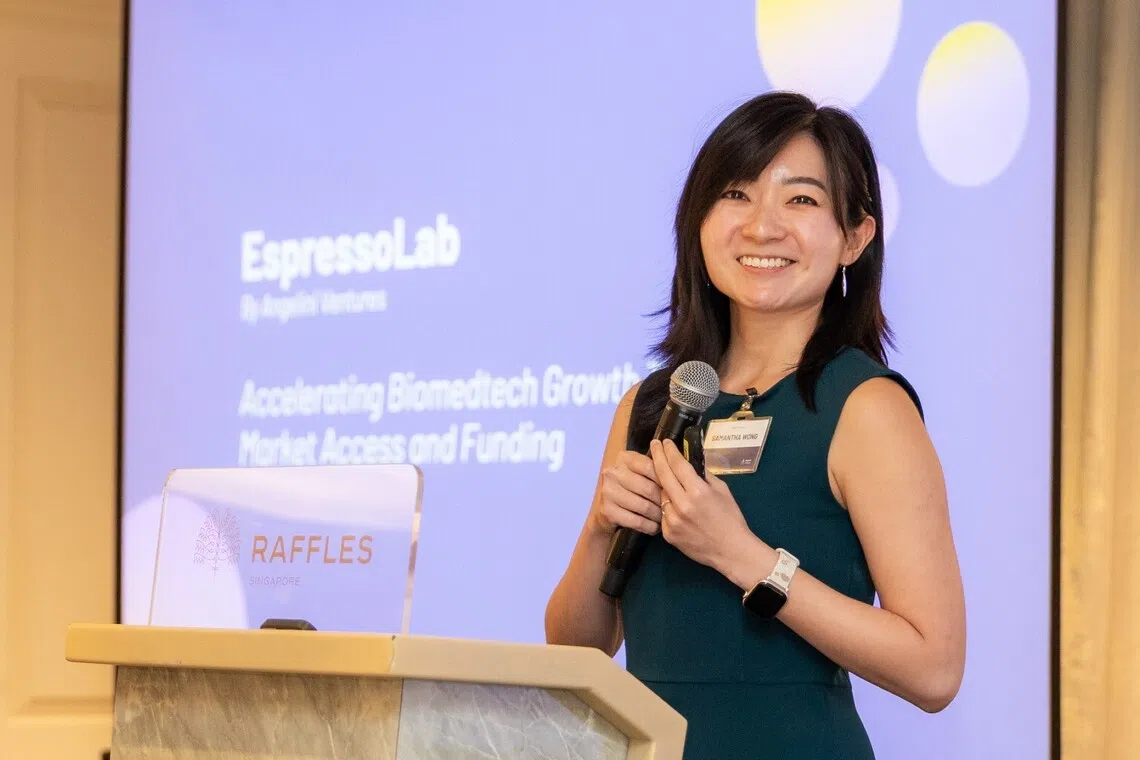
For Elia Stupka, managing director and country head of Angelini Ventures’ Singapore office, a key draw here is the willingness of public agencies to work alongside private investors to help bring healthcare innovations to market.
“Biomedical innovation is a risky game that needs different capital at various development stages and having a government that is willing to work alongside funds like ours makes a real difference in getting companies through the valley of death,” he says.
The Italian firm further backed the ecosystem by launching EspressoLab with EnterpriseSG in April 2026.
The programme helps ventures refine pre-clinical, clinical and fundraising strategies, recently supporting a clinical-stage company at Angelini’s annual Rome summit.
Reinventing for continued global growth
The Singapore biomedical industry generated over $32 billion in 2024—an 87 per cent increase over two decades—supported by more than 400 medtech and digital health companies. As the sector deepens, Singapore remains an ideal base for companies scaling globally.
A key example is Advanced MedTech Holdings, a Singapore-headquartered urology group operating in more than 100 countries. It develops new technologies here for use overseas.
The company’s UroGPT, the world’s first advanced AI chatbot designed to deliver personalised advice to patients with kidney stones, provides patients with reliable information outside consultations, including before procedures and during recovery.
Developed in Singapore and deployed in the US, the tool extends Advanced MedTech’s support beyond clinical services and medical devices.
In consultation with the online kidney stone patient community and medical experts, UroGPT’s content is reviewed by a Medical Advisory Board and aligned with American Urological Association guidelines.
Other tools Advanced MedTech developed in Singapore include SalesAI, which helps commercial teams access product and clinical information, and ServiceGPT for service engineers.
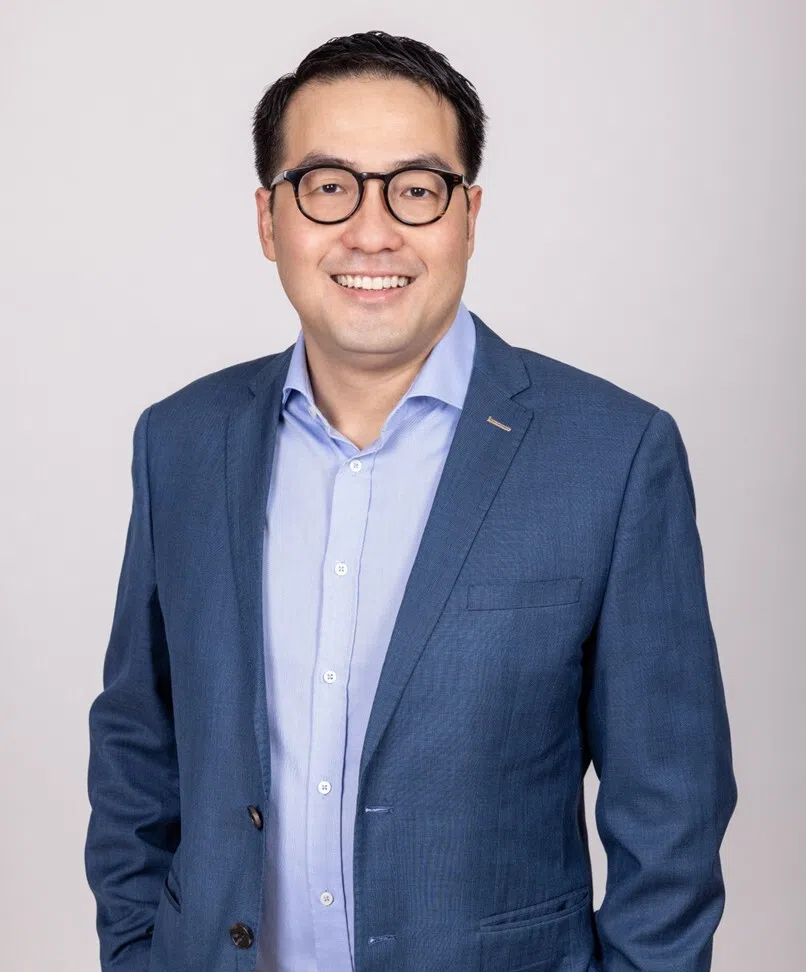
“We are proud to say that all of these AI capabilities are developed at home,” says Wong Yau Chung, its group chief executive officer.
He points to Singapore’s mature healthcare and regulatory environment, public-private partnerships and proximity to diverse Asia-Pacific markets as factors supporting the development and commercialisation of new technologies globally.
“Singapore is an ideal platform for us to launch tools and experiment with new approaches, and we’ve often received positive responses externally,” he says.
The experiences of CoNEX Healthcare, Angelini Ventures and Advanced MedTech demonstrate the different ingredients needed to take healthcare innovation from Singapore to the world: rigorous testing and validation, specialised capital and expertise, strong partnerships, and access to international markets
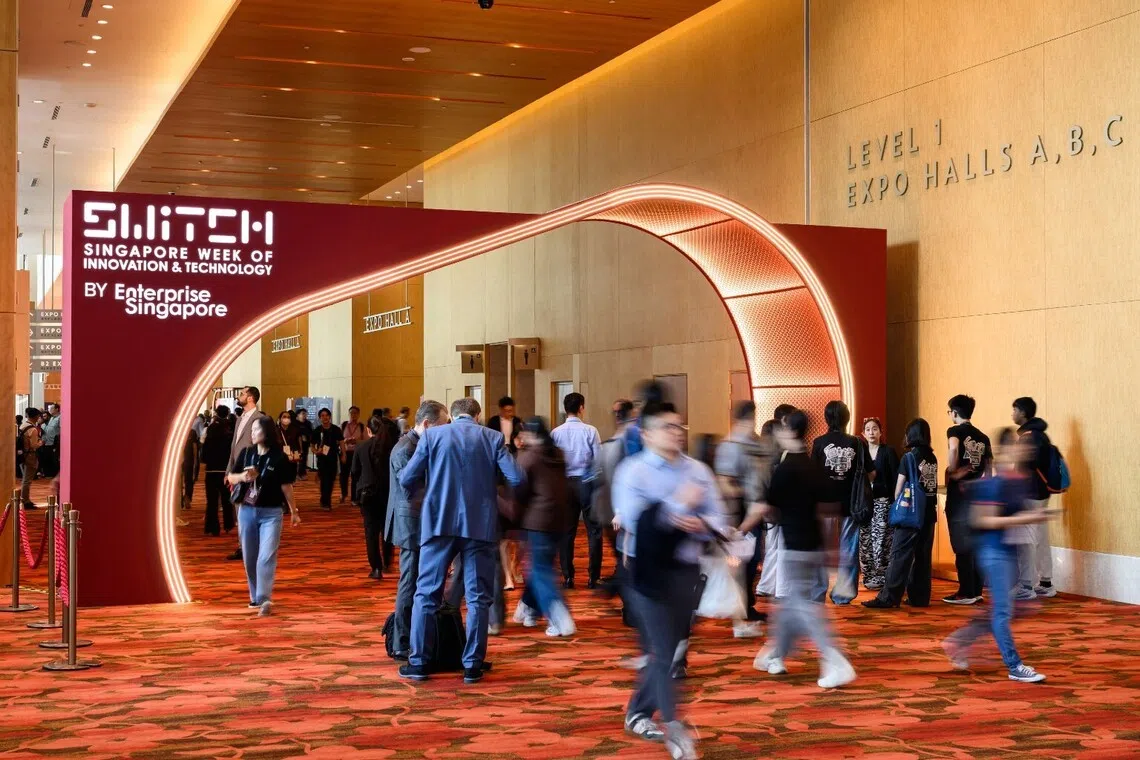
EnterpriseSG’s role is to help companies navigate these different stages and make the connections they need to grow. Platforms such as the Singapore Week of Innovation and Technology (SWITCH) bring together entrepreneurs, corporates, investors and other ecosystem partners, while Stage One provides a year-round touchpoint for founders looking to plug into Singapore’s startup ecosystem.
“Ultimately, our aim is to help more biomedical companies build from Singapore and compete globally,” says Chen. “That means supporting them not just in developing strong innovations, but in building the partnerships, capabilities and market connections needed to turn those innovations into solutions that improve healthcare around the world.”
Start-up founders keen on learning more can visit Stage One.

Decoding Asia newsletter: your guide to navigating Asia in a new global order. Sign up here to get Decoding Asia newsletter. Delivered to your inbox. Free.
Share with us your feedback on BT's products and services
TRENDING NOW

Nvidia reinstates Jensen Huang as CEO; Trump says move poses no national security risk

Beyond the greenback, Vietnam’s big borrowers turn to Asian-currency bonds

Indonesia’s coal tycoon Low Tuck Kwong replaced as Bayan Resources president-director

Six workers file employment claims against Crystal Jade Food Manufacturing

