

5 Questions with MoneySmart founder Vinod Nair

Benjamin Cher
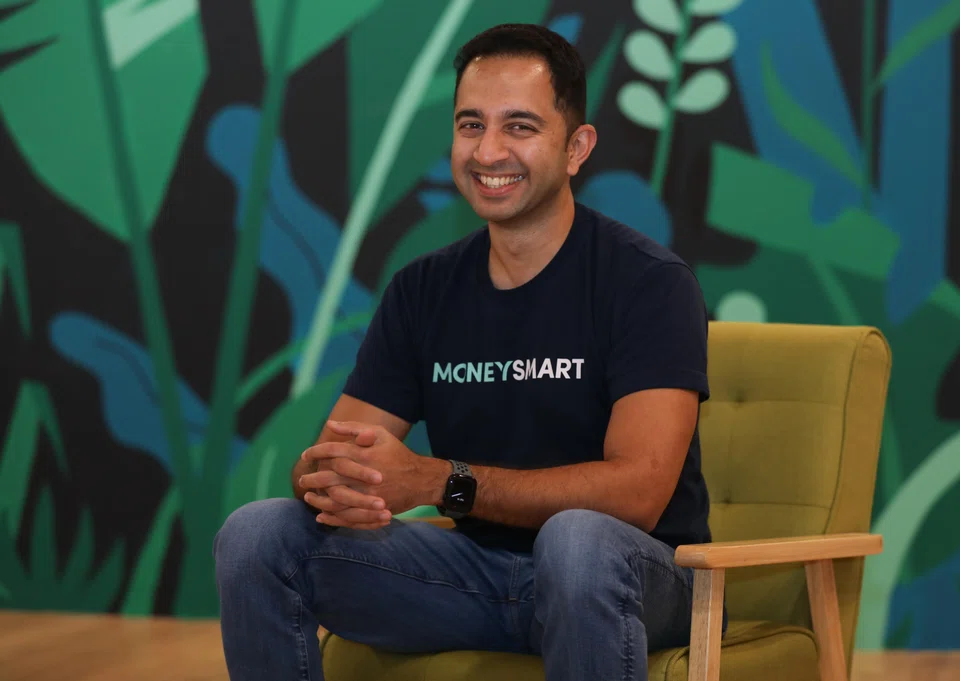
AT ONE point, MoneySmart founder and chief executive Vinod Nair was almost the first to list a Singapore startup on the Singapore Exchange via a reverse takeover (RTO).
But prevailing market conditions called for a pause and eventual scuppering of the personal finance portal’s listing. This wasn’t the first time Nair has seen things fall through, with lessons from his first startup shuttering helping to make MoneySmart a success.
In this month’s edition of 5 Questions, Nair talks more about the almost listing and why decisions can be uncomfortable.
1. What was your first venture and how has that experience helped with MoneySmart and Bubblegum?
My first venture was HomeSpace, a map-based property search engine that I founded in 2007. At that time, my primary focus was to create an outstanding product, and I didn’t pay enough attention to the business model and monetisation strategy. Given the limited funding options back then, the team had to sustain operations without drawing a salary for more than a year. I eventually had to make the difficult decision to shut it down.
When I started MoneySmart, I brought this valuable lesson with me. This time, my priority was to ensure we had a sound and sustainable business model that could generate revenue from the very beginning. MoneySmart was bootstrapped during the first four years, and we embraced slow, organic growth by reinvesting earnings back into the business.
Bubblegum, our new insurance brand and product within our MoneySmart Group ecosystem, is a direct result of our evolving understanding of how financial products, knowledge and technology converge to empower consumers. It leverages our expertise and years of experience working closely with consumers on the MoneySmart brand side of things, as well as our understanding of their needs and the gaps in the market, to address a significant opportunity of providing great-value insurance products via a seamless end-to-end digital experience.
2. What lessons from the failed RTO plans are you bringing to the future initial public offering?
We pulled our RTO plans due to several factors, including concerns related to market timing, and as a result, the deal being unable to meet the closing conditions.
As we look ahead, we will carefully evaluate these factors before entering into any future agreements involving counterparty risk. As of now, we are leaning towards a direct listing as it provides us with a higher degree of control over the entire process and timing of going public. This approach aligns with our desire to take a more hands-on approach to our financial strategies.
We are also reassessing the choice of exchange. Selecting the right exchange is crucial in attracting the right investors who can appreciate our distinctive business model. Simultaneously, we understand that shareholders will need to consider liquidity as part of their investment strategies. These factors will significantly influence our decision-making process moving forward, all while keeping the best interests of our existing shareholders in mind.
3. What is one thing you would tell your younger self?
If I could offer one piece of advice to my younger self, it would be to wholeheartedly embrace a growth mindset. This means perceiving challenges as opportunities for learning and personal development, rather than hurdles to overcome.
This also means actively seeking feedback not as criticism, but as valuable information for self-improvement. I would also emphasise the importance of adaptability – the readiness to pivot when necessary – and the continuous pursuit of learning from both successes and failures. This mindset nurtures resilience, empowering one to navigate the complexities of life and career journeys with agility and confidence.
4. What’s the best advice you’ve received, and what’s the context?
Something I came across recently in a podcast had a profound impact on me. When confronted with a challenging decision, it’s important to distinguish between a decision being difficult and it being uncomfortable. Oftentimes, I know what the right decision is, yet hesitation, procrastination and long deliberation creeps in due to the discomfort associated with actions surrounding people-related matters, such as giving tough feedback, letting go of someone, reducing someone’s scope of responsibilities, or making tough calls such as layoffs.
However, what I’ve come to realise is that acknowledging the discomfort doesn’t diminish the clarity of the decision’s correctness. In fact, it empowers me to overcome the discomfort and proceed with what I know is the right course of action for the business. This distinction has been transformative. It has allowed me to navigate tough decisions with a renewed focus on the ultimate goal, even when it involves stepping into uncomfortable territory.
5. What’s the biggest and worst setback you’ve experienced?
Steering MoneySmart through the tumult of Covid-19 stands out as one of the most significant setbacks I’ve encountered.
What made it so much more challenging was the combination of multiple issues unfolding all at once.
Business: On the business front, our monthly revenue plummeted by 50 per cent practically overnight, and securing additional capital for the business was nearly impossible.
People: Simultaneously, during a time when we needed to collaborate the most to figure out how to counter the impact, we had to transition to working fully remotely. People were burnt out, catching Covid-19, morale was low and employees had to take salary cuts with no end in sight. Adding to the complexity was the contrasting scenario where some companies, thriving due to the pandemic, were hiring aggressively.
In this crisis, we needed to take swift and decisive action with very little room for error. The uncertainty of the effectiveness of these decisions and actions compounded the pressure. Fortunately, we not only recovered, but also emerged even stronger than before.
TRENDING NOW

Government to bring forward raising of retirement age, give employers more financial support to create flexi-load jobs
If Europe goes to war, the fallout will be felt in East Asia
Indonesia stocks suffer worst plunge in nearly 30 years as MSCI proposes standalone status

Vietnam’s northern provinces, not Hanoi or Ho Chi Minh City, are powering near 10% GDP growth

