

Biotech transcends geopolitics as family offices fuel next wave of innovation: Camelot BioCapital’s Peter Kash
The biggest source of capital for biotech is no longer venture capital but family offices, he says

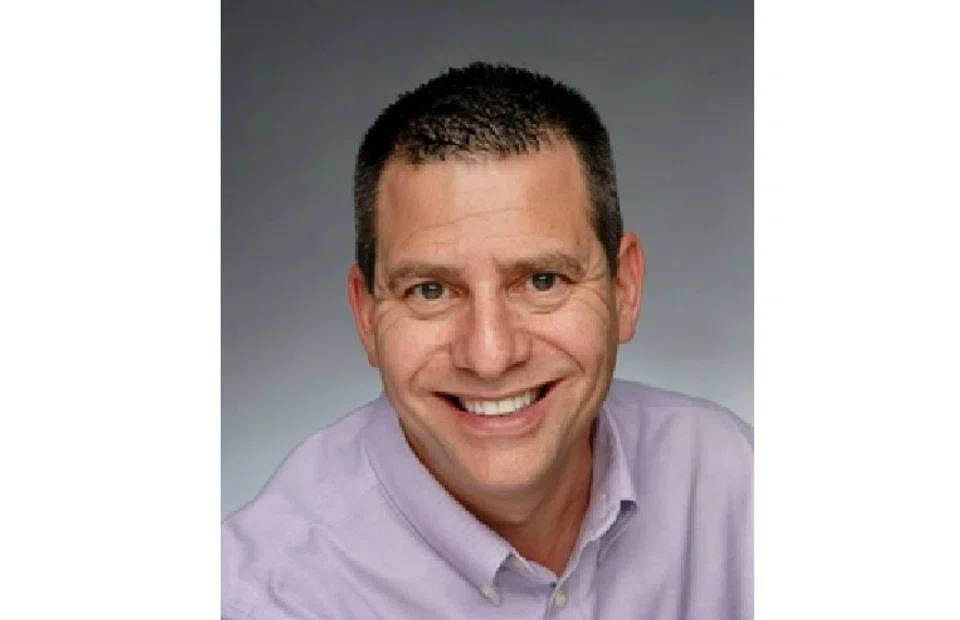
[SINGAPORE] Biotech has become one of the few industries “immune” to current geopolitical tensions between China and the US, said Peter Kash, chairman of biotech venture studio Camelot BioCapital.
“No matter where you are in the world, no matter what geopolitical conflict there is, if there’s a child or mother with cancer, every culture will do everything to help that patient,” he told The Business Times. “It becomes a micro environment and they forget the macro problems.”
Kash, who has built and scaled over a dozen unicorns and decacorns in the biotech space, including Kite Pharma, which was acquired for US$11.9 billion, said that collaboration across the world has remained resilient despite the current geopolitical climate.
He described the biotech industry as being in its own “microcosm”, with researchers from China, the US, Singapore, Israel and Europe continuing to co-author scientific papers.
Singapore has caught Kash’s attention, with several biotech projects developed by the Agency for Science, Technology and Research (A*Star) having potential either as spin-offs or as partnerships with existing US companies. Even so, he believes access to US capital markets remains critical for biotech companies seeking to raise public capital or achieve successful exits.
Special purpose acquisition companies (Spac) could be helpful for Singapore biotech firms, Kash said. A Spac can provide upfront funding and a means to raise more capital via a private investment in a public equity financing round that comes before a business combination.
“It’s standard to try and have two years of cash, because the biggest problem in biotech is the burn rate,” said Kash.
The biggest source of capital for biotech is no longer venture capital but family offices, he noted. Such investors may fund efforts to cure diseases that affect family members or loved ones, or simply because they want to do social good.
Family offices are also typically quicker in making decisions than venture capitalists, said Kash.

“I think there is a great appetite out there right now for investing in the sector, and I’m very bullish,” he added.
Avoiding pitfalls
Achieving success for a biotech company is a combination of science and art, but the key thing is to adapt, said Kash. Of the 12 companies he co-founded and the other 20 he helped to finance, only one stuck to its original business plan.
“Some of them made it; I have seven approved drugs with our portfolio companies over the decades,” said Kash.
Now, artificial intelligence is helping to shave some 50 to 75 per cent of costs and time in developing a drug.
He said that AI is better than humans at identifying combination therapies and drug delivery methods. The technology helps humans make decisions – such as which receptor to target and which drug platform to use – in a shorter time.
With AI, what would normally take 100 years to figure out in combination therapy can take “two to four years”, said Kash.
Another key aspect for success is having a good CEO, which is hard to find, according to Kash. Such a CEO needs to be humble yet able to kill a deal or project if it is not working out.
“The secret sauce is finding a great CEO that has the ability to pivot when need be and understand how to get the drug past that phase one mark,” said Kash.
Getting to phase one is a magic level for Kash, who noted that four phase one drugs have recently been bought for more than US$2 billion each. While a company would get the cash in milestone payments rather than immediately, it still provides capital to go on to the next phase.
Bringing a drug to market is not the only benchmark for success in the biotech space; getting it close to regulatory approval is a milestone in itself, said Kash. In this industry, having no revenue or profits is not a barrier to getting a valuation in the billions.
“You can still get a US$5 billion to US$10 billion valuation based on the expectation that in the near future you can bring (the drug) to market,” he added.
Decoding Asia newsletter: your guide to navigating Asia in a new global order. Sign up here to get Decoding Asia newsletter. Delivered to your inbox. Free.
Copyright SPH Media. All rights reserved.
TRENDING NOW

Britain’s mansion tax shows the difficulty of targeting wealth

Once staunchly pro-China, Malaysian Chinese businesses are now distancing themselves from Beijing

The only common thing in S-E Asia is that we all eat rice: Cisco’s Asean president
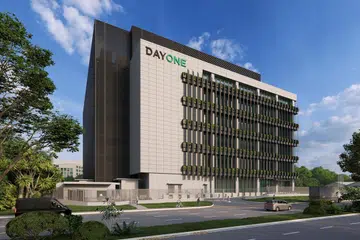
Singapore data centre operator DayOne opts for US IPO at likely US$20 billion valuation

