BNPL players losing steam as digital banking gains speed

Benjamin Cher
Published Thu, Mar 14, 2024 · 05:00 AM
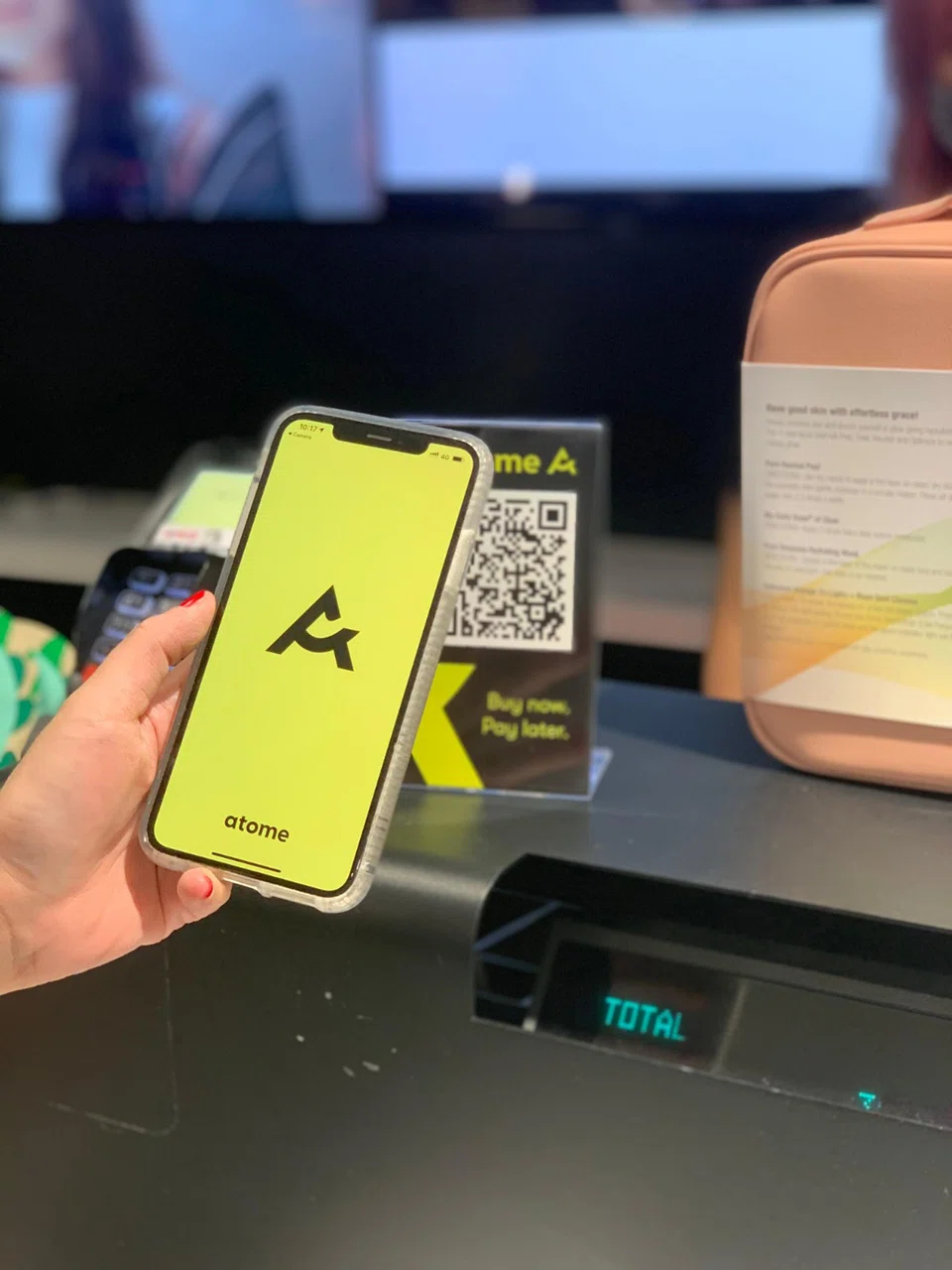
    • BNPL player Atome's chief executive left for GoTo Financial, part of a wave retreating from BNPL services.
    • BNPL player Atome's chief executive left for GoTo Financial, part of a wave retreating from BNPL services. PHOTO: ATOME

    THE early glow of “buy now pay later” (BNPL) payment schemes has dimmed significantly over the past two years, with players pulling out of the space and digital banking opportunities opening up.

    At the start of March, customer-reward platform ShopBack announced that its BNPL offering, PayLater, would be shuttered in Singapore and Malaysia by Mar 23. Even in emerging markets like Indonesia, where BNPL was thought to tap a market lacking access to credit, Bukalapak became the latest to pull out; its BNPL offering, BukaCicilan, discontinued on Feb 29.

    Persistently high interest rates have battered the sector. With the cost of funds having risen significantly, BNPL players’ offering of what are essentially interest-free, short-term loans in developed markets has put the squeeze on many of them, leading them to scale back.

    But in emerging markets, BNPL payments operate under a slightly different model, with some operators charging interest. With a lack of access to credit, such a product should have found a more receptive audience there.

    But even then, some operators have thrown in the towel. With Indonesian e-commerce marketplace giant Bukalapak closing its BNPL arm, BukaCicilan, Bukalapak suggested that its customers carry on using the services of other BNPL players.

    BukaCicilan was offered in collaboration with fintech Akulaku, which fell afoul of Indonesia’s financial services regulator, Otoritas Jasa Keuangan (OJK). Last October, OJK restricted Akulaku from offering BNPL services, lifting these curbs only on Mar 4.

    Another BNPL player, Atome, pulled out of the Vietnam market. But the industry was more rocked by Atome’s chief executive officer David Chen leaving the company to join GoTo Financial as its head of consumer lending. Many others from Atome have since also left for GoTo Financial’s consumer lending business, going by changes made to their LinkedIn profiles.

    It seems that BNPL’s halcyon days are over, even in emerging markets. At the same time, a number of BNPL operators have gone on to acquire their own banking licences to run digital banks.

    Akulaku acquired a stake in Indonesian digital bank, Bank Neo Commerce, in 2022. Another operator, FinAccel, acquired a stake in a traditional bank, Bisnis International, in March 2021, and upped its stake there to 75 per cent about a year later. FinAccel launched a digital bank, Krom Bank, on Feb 27.

    The shift away from BNPL to digital banking makes sense for fintechs, given that regulators like OJK have begun scrutinising fintech lenders in emerging markets. OJK, in particular, clamped down on peer-to-peer fintech lenders by imposing a daily interest rate cap of 0.3 per cent, though this will fall to 0.1 per cent by 2026.

    While BNPL falls outside that category, the rule tightening points to regulators’ concerns about lenders that are not as closely regulated as traditional financial institutions. The increased regulatory pressures that eat into margins have made it harder for fintech startups, which are already operating in an environment of high interest rates.

    Moving into digital banking would, however, ease regulatory pressures on interest rates and margins. While banking is more regulated, regulators are more concerned about whether a bank can continue to operate than about the interest rate it charges.

    Digital banking also offers more avenues of monetisation over a pure BNPL service. BNPL providers make money by taking a cut from the merchants, and from customers if they charge interest on their instalments.

    With banking, loans made to customers command a higher interest rate than a BNPL service does; the cost of funds is also lower, given that a bank gives out loans from its deposit base. Aside from loans, digital banks stand to take cuts from processing payments and from selling investment products.

    In emerging markets, where the unbanked are still a significant chunk of the population, digital banks have a larger pool of customers to tap. After all, almost everyone needs a bank, and BNPL services are not regarded as a necessity.

    A bank can also cross-sell other products and services to its customers, since it has records of their deposits and spending habits. Coupled with credit scoring, there are more ways to earn off banking customers than pure BNPL customers.

    However, pivoting from being a BNPL to a digital-bank operator in emerging markets is unlikely to result in a windfall immediately. Customer acquisition and technology barriers slow market adoption – as digital banks are beginning to find out in South-east Asia.

    Swedish BNPL provider Klarna has already provided a blueprint for operators looking to pivot. Having snagged a Swedish bank licence in 2017, it has expanded banking services into countries like Germany and Spain through partnerships with other banks such as Raisin Bank.

    Based on the route Klarna has taken so far, BNPL players are in for a rough ride: Klarna has posted losses in the five years since 2019.

    As BNPL providers rev up their digital bank plays, or refocus on the core business, the business model will have to evolve to remain relevant in today’s environment.