Can AirAsia succeed where Gojek lagged in Thailand?

Singapore
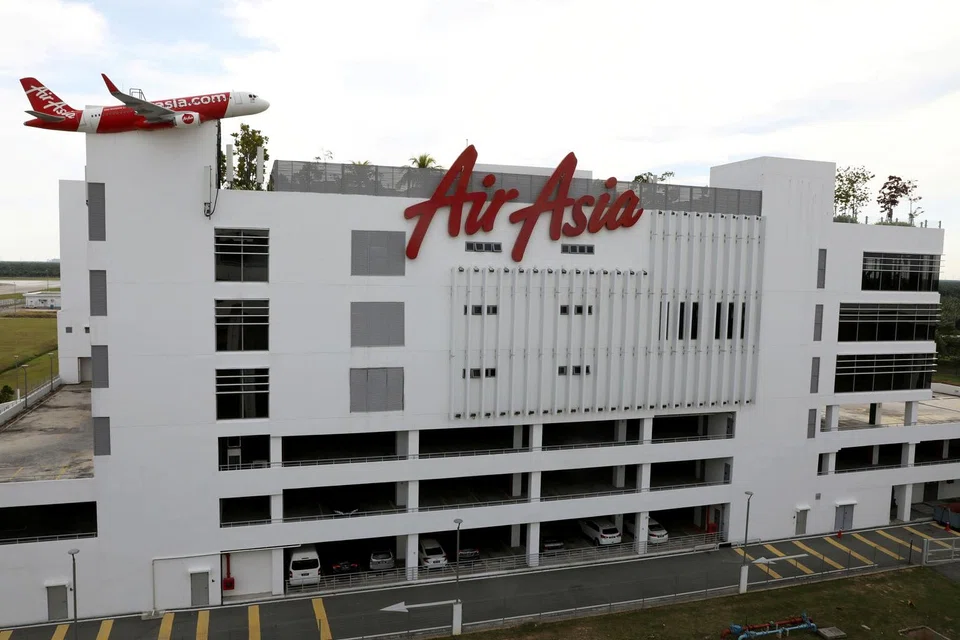
GOJEK'S sale of its Thai business to AirAsia is being viewed as a positive move, even if a concession to rivals, for the Indonesian tech player. But sentiment is more cautious on whether the budget carrier can do a better job against deep-pocketed competitors like Grab.
On July 7, AirAsia announced that it was buying Gojek's business in Thailand - which includes motorbike-hailing, food delivery, parcel delivery and e-payments - for US$50 million in a share swap. Gojek will own 4.76 per cent of AirAsia SuperApp, the carrier's lifestyle business unit, valuing the latter at US$1 billion.
AirAsia is also exploring a listing of its unit AirAsia Digital or AirAsia SuperApp in the US, possibly even this year. It is targeting to raise at least US$300 million via a merger with a special purpose acquisition company.
Gojek has similarly been eyeing the public market. It recently completed a merger with Indonesian e-commerce player Tokopedia to form GoTo Group, although both retain their brands.
GoTo aims to list by the end of the year.
Gojek's move in Thailand is likely a positive in alleviating cash burn. The company has long been seen as struggling with regionalisation, having expanded mainly to Thailand, Vietnam and Singapore. In contrast, rival Grab is present in eight South-east Asian markets, with a dominant presence in many of them.
In Thailand's ride-hailing space, Gojek is not just up against Grab, but other well-funded foreign entrants such as Estonia's Bolt, which is popular in Eastern Europe and Africa, and Line Man, launched by Line of South Korea.
The food delivery space has been no less cut-throat. Thailand's scene is dominated by GrabFood, foodpanda and Line Man. Newer entrants include services launched - interestingly enough - by Siam Commercial Bank and Kasikorn Bank.
A report by consultancy Momentum Works estimates that Gojek's food delivery market share in Thailand stood at 7 per cent in 2020, while Grab's was at 50 per cent.
The deal with AirAsia is therefore a plus for Gojek, as it can turn its "struggling Thai business into an investment" with the budget carrier, said Li Jianggan, chief executive of Momentum Works.
"GoTo will be able to focus on consolidating its market in Indonesia without this distraction," he said.
The deal is an upside for Gojek, agrees Jason Cronen of Garden District Ventures, an early-stage tech investor based in the US and Singapore.
"It de-risks the Thailand market from an operational sense for Gojek, and still dials them into future profits," said Mr Cronen, who is based in Thailand.
Still, the deal does highlight the tension Gojek faces between doubling down on its home market and being a regional player. "For big tech in South-east Asia, one country is not big enough, even if that country is Indonesia," said Mr Li.
When it comes to AirAsia, views are mixed about its prospects in Thailand. Sam Lee, chief executive of financial services firm Paloe, thinks that the carrier stands a good chance.
"Compared to Gojek, which started from zero in Thailand, AirAsia has a better chance as they have more of a captive market. AirAsia also has an element of international travel that brings synergies, compared to Gojek, which could only operate on the ground in transport and delivery," he said.
Taking on Gojek's Thai business gives the carrier valuable access to millions of residents who already book trips online, order takeaway food and count on ride-sharing, said Mr Cronen.
But the question is whether AirAsia will be able to fulfil that potential - or if it may get entangled in a cash-burn war, while already facing high overheads from the airline business.
Execution will be key. For instance, Mr Cronen felt that customers "waited in limbo on AirAsia's systems" during the Covid-19 travel disruptions.
"Those were just their airline customers, forced to navigate endless steps to claim a refund. No live support and an ineffective chatbot just don't cut it in the hyper-competitive super-app space," he said.
Mr Li of Momentum Works thinks that AirAsia is yet to be a significant rival to Grab or stock market darling Sea, which have access to capital and a global talent base. AirAsia will need to be aggressive, and even creative, to counter those advantages.
That said, the budget carrier's gung-ho spirit in a pandemic is fanning plenty of excitement.
"I like their boldness in pursuing this. An opportunity to list separately in the US will potentially give it a more adventurous and risk-seeking investor base compared to the current one in Bursa Malaysia," said Mr Li.
- Additional reporting by Claudia Chong and Olivia Poh
- Garage is BT's startup vertical. Read more news, analyses and opinions at bt.sg/garage
READ MORE: AirAsia's Gojek deal turbo-charges its 'Super App' goal: Tony Fernandes