
China startups shut out of US face tougher Hong Kong IPO rules
 Add BT as a preferred source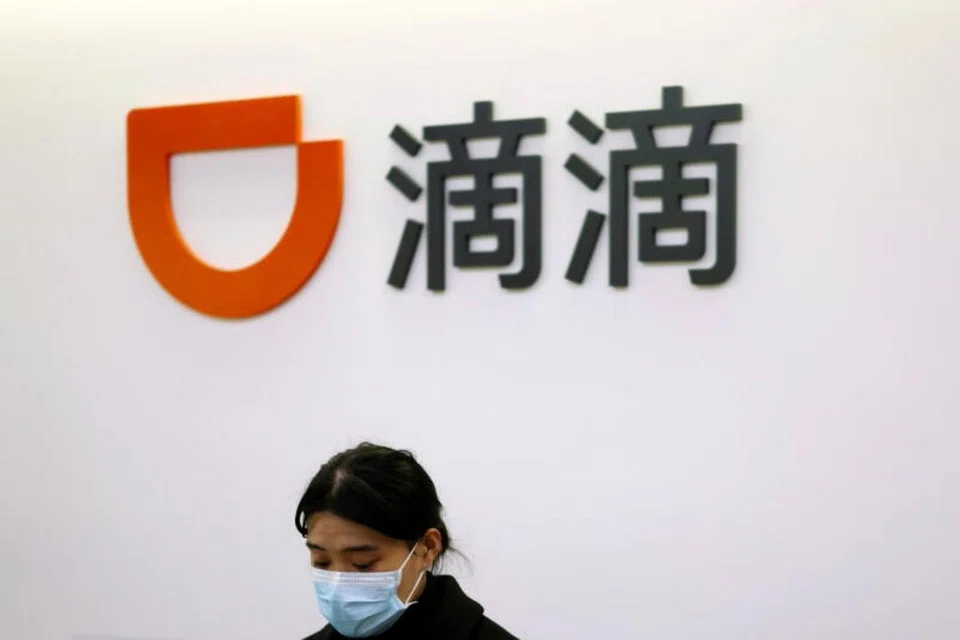
[HONG KONG] Chinese startups hungry for foreign capital are increasingly turning to Hong Kong as hurdles to list in the US multiply. But not every firm will make the cut, and those that do might have to settle for lower valuations.
Hong Kong Exchanges and Clearing makes far more stringent demands on companies planning a listing than its New York peers.
Firms likely to struggle include unprofitable startups with little revenue such as those developing autonomous driving cars, or companies in industries including ride-hailing, which operate in a legal gray zone.
Take for example Didi Global, whose US listing triggered a cascade of regulatory action from Beijing.
The Softbank-backed ride-hailing giant had explored the feasibility of a Hong Kong listing before it settled for the US, said people with knowledge of the matter.
Didi found it hard to satisfy Hong Kong's requirement that its operations be legally compliant given China's complex licensing norms for businesses, vehicles and drivers.
Navigate Asia in
a new global order
Get the insights delivered to your inbox.
Its smaller rival, Dida, has run into similar problems. When the company applied in October to list in Hong Kong, questions from the exchange over compliance with local Chinese regulations were a sticking point, people familiar with the matter said.
Dida's application lapsed in April, though it has since re-applied. In the US, the Securities and Exchange Commission simply demands a full disclosure of the risks.
"The Hong Kong regulators take a slightly more paternalistic approach to approving IPOs," said Vivian Yiu, a Hong Kong-based partner at Morrison & Foerster, who focuses on equity offerings in Hong Kong and mergers and acquisitions.
And in some ways, the exchange is getting tougher. HKEX will raise the annual profit requirement for a main board listing and has vowed to crack down on suspicious IPO activities such as inflating the market capitalisation of firms.
Still, boosting Hong Kong's appeal are signs Beijing won't require a cybersecurity review for firms listing in the Asian hub as it overhauls rules for foreign IPOs.
Many speculate the increased scrutiny will be used to end the flood of Chinese companies going public in New York, particularly technology firms that control reams of user data.
At the US end, regulators are also demanding new disclosures before signing off on listings.
Chinese on-demand logistic and delivery firm Lalamove and vegetable supplier Meicai are both weighing rerouting their planned US market debuts to Hong Kong, Bloomberg reported last month.
Switching venues will be tough for some companies.
Driverless car startup Pony.ai, which had previously explored a plan to go public in the US, may have to rely on private funding for a few more years before it qualifies for a Hong Kong IPO, a person familiar with the matter said.
Representatives for Didi and Dida didn't respond to requests for a comment. A representative for Pony.ai said the company has no confirmation and timeline for going public.
The lack of clear IPO prospects for some Chinese startups will likely turn off global venture capital and private equity firms.
Signs of cooling appetite are emerging and some investors rattled by China's sweeping regulatory changes are even looking to offload private stakes in TikTok parent ByteDance and other Chinese tech companies, according to advisory firm Setter Capital.
Bytedance is working to comply with data security requirements before going public, Bloomberg News reported in July.
Beijing's clampdown on the tech giants including Tencent and Alibaba has slashed valuations in the sector.
Earnings multiples of traditional finance companies would value Ant Group between US$29 billion and US$115 billion, according to Bloomberg Intelligence analyst Francis Chan. That's well below the US$320 billion that it was expected to fetch last year before its IPO was pulled.
Shares in Tencent were further pressured this week after a report in a state-owned newspaper suggested online gaming would be the next target of authorities. Tencent is down 19 per cent this year and Alibaba has slid 17 per cent in Hong Kong.
Valuations are becoming harder to gauge as many startups refrain from raising new funds in the face of rising regulatory uncertainty.
Yet multiples are typically higher in New York than Hong Kong, in part because the US market offers deeper liquidity and a larger pool of investors.
Chinese online travel agency Trip.com Group is one example. Its US depositary receipts trade at about 49 times estimated forward earnings for the end of the year, versus 46 for its Hong Kong shares.
The US-traded stock is benchmarked against larger rivals such as Booking Holdings, which has a forward price-earnings multiple of 67.
"The big question is if companies list in Hong Kong whether they will get valuations as compelling as in the US," said Ms Yiu, the partner at Morrison & Foerster.
BLOOMBERG
Decoding Asia newsletter: your guide to navigating Asia in a new global order. Sign up here to get Decoding Asia newsletter. Delivered to your inbox. Free.
Share with us your feedback on BT's products and services

