

Climate tech startups report flood of customers, but funding is trickling in


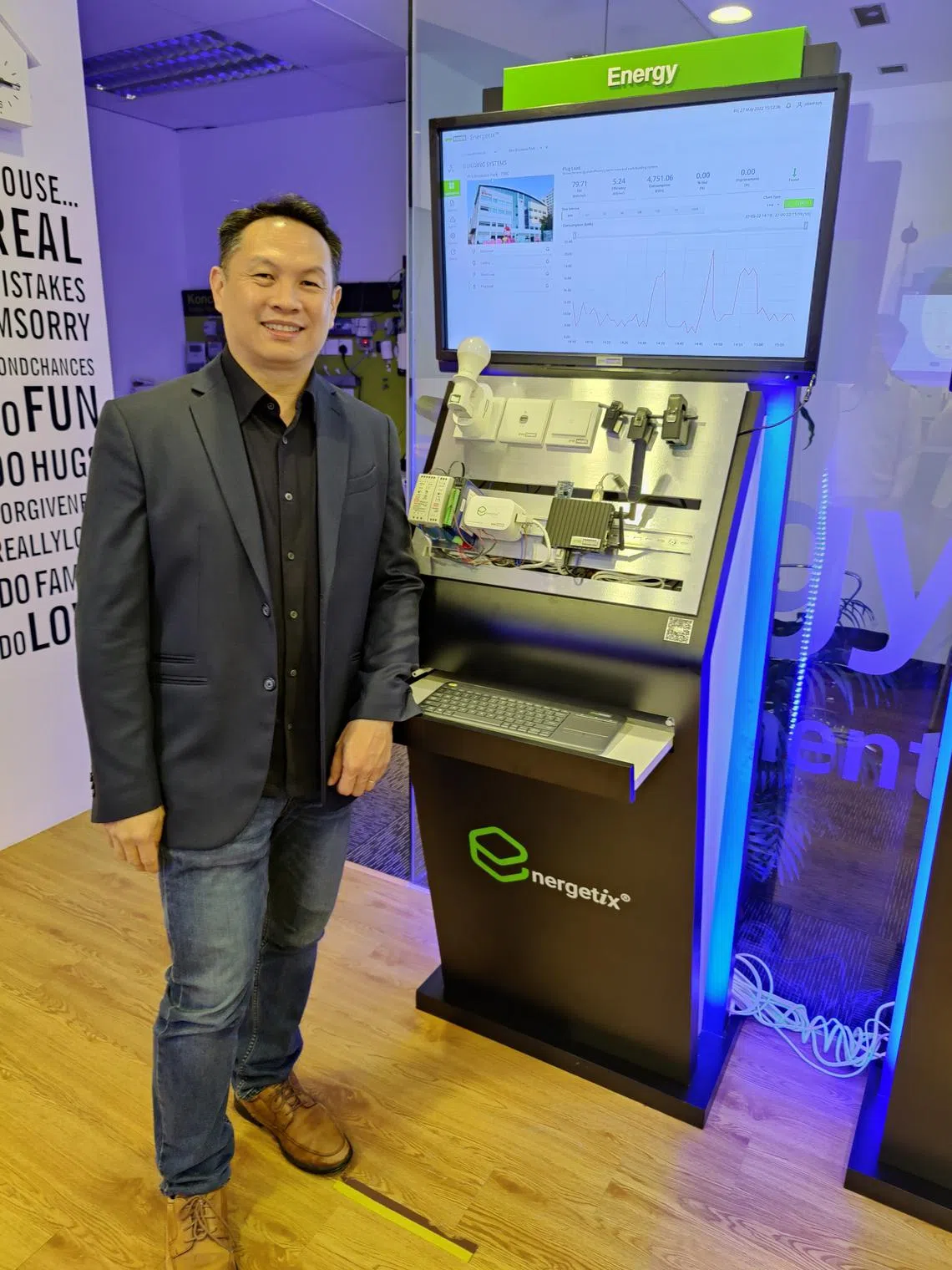
THE pandemic years were “really quiet” for Green Koncepts, a startup whose digital platform measures energy efficiency in buildings. But since Covid-related restrictions were lifted this year, chief executive Kenneth Lee said enquiries have been coming in at a rate of 5 times what he had experienced in 2020.
“The balance has shifted a bit, and people are more willing to spend some money to be a part of the sustainability initiative,” said Lee, who started Green Koncepts in 2011 with funding from the National Research Foundation.
Terrascope, the climate-focused venture arm of commodities trader Olam Group, has seen similar strength in demand.
The company helps companies measure carbon emissions through its artificial intelligence (AI) and machine learning platforms. Since its formation last year, it has measured around 230 megatonnes of greenhouse gases with 12 customer implementations globally.
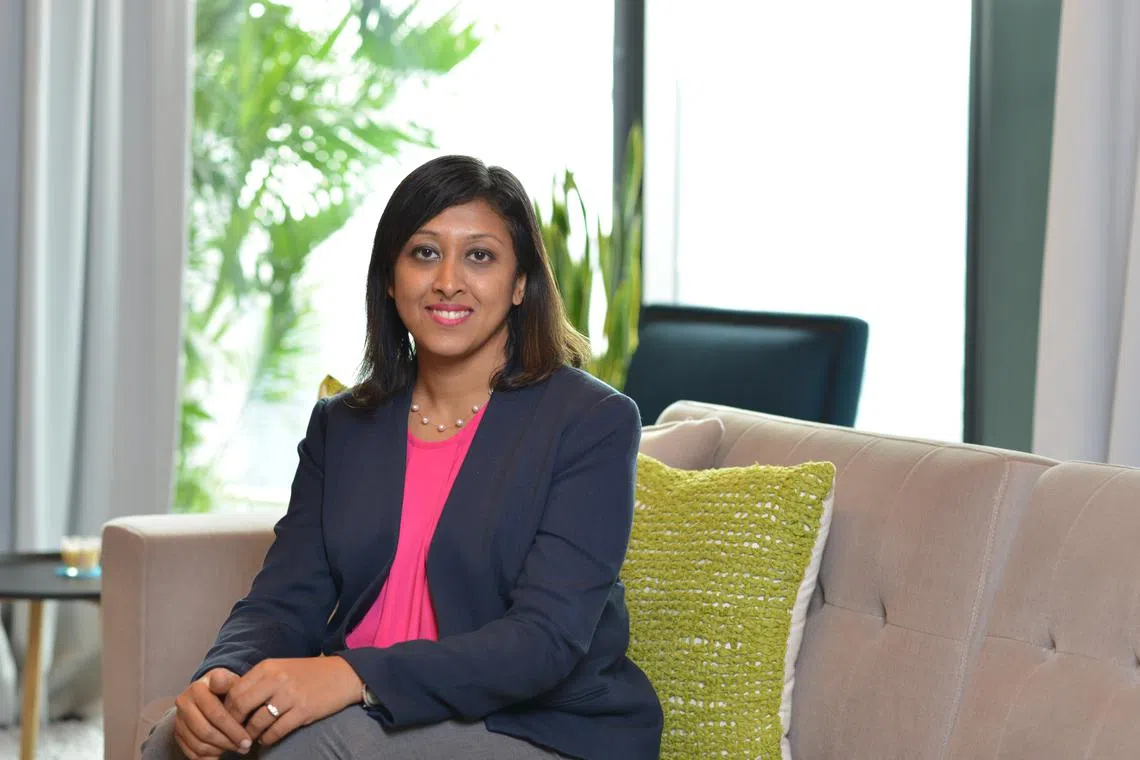
“Regulation, and large enterprises needing to think about being planet-inclusive… (have) really driven the transformation of the ESG (environment, social and governance) sector from being a nice-to-have to an imperative,” said chief executive Maya Hari.
Companies and countries are lining up to pledge net-zero emissions by 2050, on the heels of the 26th United Nations Climate Change Conference in Glasgow last year.
The result has been strong interest in technologies that can help towards this goal, as well as investment interest in the climate tech plays that can facilitate it.
Last month, climate tech startup Arcadia secured a US$200 million funding round, led by JPMorgan Asset Management, that valued it at above US$1 billion.
A 2021 PwC report noted that climate tech investments in the first half of last year reached record investment levels in excess of US$60 billion, a 210 per cent increase from the US$28.4 billion invested in 2020.
Unfortunately for South-east Asia’s startups, however, investor interest has been relatively weak — as evidenced by the smaller cheque sizes in the region.
Software-as-a-service (SaaS) platform Handprint raised US$2.2 million in seed funding led by payments company Thunes in April, while local startup Rimm Sustainability picked up US$3 million in pre-Series A funding with Tolaram’s Aswani family among its investors.
One of the few outliers was AI software provider Envision Digital, which raised a US$210 million Series A round in early June.
Ravi Chidambaram, founder and CEO of Rimm Sustainability, said that although there is a growing awareness among venture capital (VC) firms, many are still developing their understanding of the sector.
The 2-year-old startup provides tools for sustainability management and optimisation through its SaaS platform.
Another potential reason for the lagging funding is the lack of strong climate tech startups.
Kelvin Fu, managing partner and co-founder of asset management company Gunung Capital, said while there is a lot of potential in South-east Asia, much of the innovation in climate tech still comes from the US.
“The ecosystem (in the US) is very strong, and you have the top universities there studying climate change,” he added. Gunung Capital manages the assets of Indonesia’s largest privately owned steelmaker, Gunung Raja Paksi, and is committing US$500 million to fund the decarbonisation of its assets under management and carbon transition startups for the next 5 to 7 years.
The ecosystem in the US also includes startup incubators and funds that are tied to major universities. The Massachusetts Institute of Technology, for instance, has a VC fund, The Engine, that aims to support startups in specific sectors, including climate tech.
“To generate enough good Asian companies, you need these kinds of incubation arms here,” said Fu.
The slow pace of funding could mean opportunities for those willing to move in early.
VC firm Wavemaker in October 2021 launched a climate tech-focused arm, Wavemaker Impact, targeting a US$25 million raise in its first fund to invest in about 16 startups.
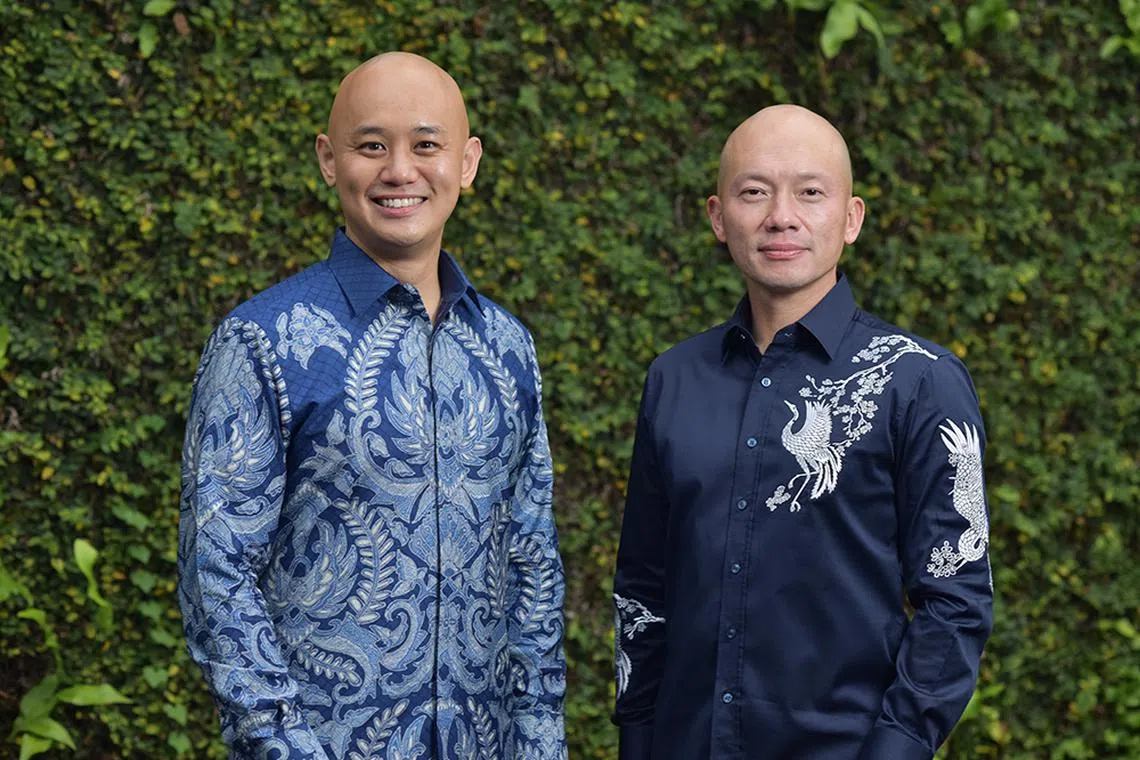
Founding partner Quentin Vaquette said the firm aims to invest in startups that can not only generate US$100 million in revenue, but also remove 100 megatonnes of carbon emissions per year via its investments.
While the US and Europe have had more time, capital and awareness to deal with climate issues, South-east Asian economies are starting to prioritise these issues as well, with Indonesia and Vietnam both making net-zero pledges last year.
Vaquette therefore sees a unique opportunity in South-east Asia’s climate tech startups, as he believes lowering emissions to be a localised activity requiring different approaches.
South-east Asia’s factories, for instance, could benefit from equipment and machines that are more efficient. But many companies have not adopted such hardware solutions due to various reasons, including financing issues or lack of awareness.
Said Vaquette: “To enable rapid decarbonisation, we focus on resolving those adoption problems, which leverages existing technologies and enables the region locally to decarbonise.”
TRENDING NOW

Once staunchly pro-China, Malaysian Chinese businesses are now distancing themselves from Beijing

Looking beyond looming CEO succession, should UOB potentially pursue a transformative merger?

Could stablecoins be the future of money?

Grab CEO’s wife Chloe Tong on life with Anthony Tan and finding her purpose

