

Five questions with Rachel Lau, South-east Asian tech realist

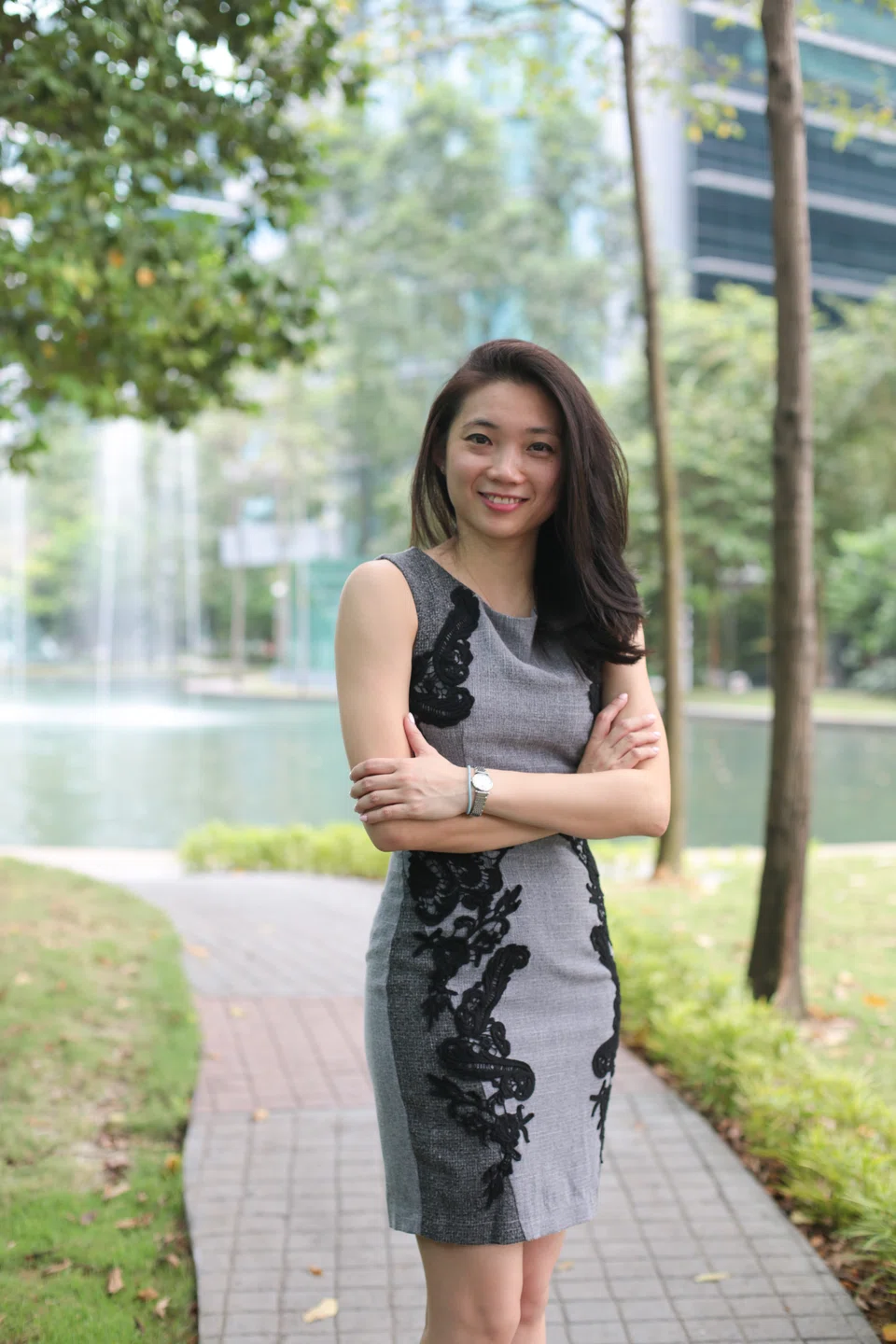
RACHEL Lau is not one to mince words when it comes to assessing South-east Asia’s tech scene. In the exuberance of last year, even “half-assed companies” had their boats lifted by the tide of venture capital (VC) rushing into the region, she quipped.
But the cooling of sentiment now is a good thing, reckoned the managing partner of Malaysia-based RHL Ventures. Looking past the froth, she sees South-east Asian VC maturing into a “legit” asset class.
In this edition of 5 Questions, Lau shares more about her personal investment philosophy and why she prefers to back founders who aren’t necessarily good at talking.
1. You received your training in investment at a young age from your late father Lau Boon Ann, who specialised in real estate and invested in Top Glove. Could you share more about how your growing-up years in Kuala Lumpur shaped your investment approach?
When we were younger, my dad would buy stocks and he would say, why don’t you tell me, if I bought this at $2 and sold it at $2.30, how much would I have made if I sold 1,000 lots?
We also went out quite a bit to look at land, benchmarking property prices. If you come from a family of businessmen, it’s always, what are the margins? It was innate in your everyday life that you were looking at investment opportunities.
I learned that the most important quality for an investor is temperament, not intellect, so we should act consistently as an investor and not as a speculator. We do not act in fear; we act rationally.
We should spend ample time in the market and understand all the quirks and cyclicality to it, which beats timing the market. The biggest risk of investing is not taking sufficient risk.
2. What was your entry point into the VC world and where did you work before setting up RHL? What compelled you to set up your own VC based in Malaysia?
I was working in New York and Hong Kong as a buy-side fund manager specialising in emerging market debt and Asian equities.
The markets were extremely competitive and there was a glass ceiling in terms of what you could do. As a young Asian woman, you’re a triple minority; there were a lot of hurdles and you’re not part of the boys club. I wanted to come back to where I have an edge.
My longtime friend Hamzah – we went to summer school together at 15 – and I saw a great opportunity to invest in South-east Asia. We decided to come back from Hong Kong to invest in young and upcoming entrepreneurs.
We found a sweet spot, which was venture capital. In 2017, it was very early, but had some traction; it was year 2 or 3 into the VC cycle in South-east Asia. That worked out well.
Now five years in, you see not just South-east Asians interested, but you’ve got the North Asians coming in strong – we’ve partnered with South Korea’s Hanwha Group, for example. We can talk about South-east Asian VC being a “legit” asset class.
It has been a humbling journey learning from the best, we have seen talent that brilliant in their ideas and execution.
3. What’s the biggest misconception about Malaysian startups, and what is your own personal philosophy when it comes to looking for entrepreneurs to back?
That there is a lack of talent. I believe Malaysia is a great place for a regional player to expand, as there are many smart people, unfortunately, we will have to spend the time to train since talent here is too complacent.
I like to invest in guys who don’t speak very well but are great operators. I come from a background where it doesn’t matter if you don’t speak well, as long as you can operate.
For example, we invested in Signature Market – Edwin Wang is probably one of the best operators in town, building the company into not just a strong Malaysian brand but a strong business that will be IPO-able in the near future.
4. Startup investments appear to be slowing down with a looming downturn and growing layoffs. What is your sensing of the current market situation?
There was an over-bullishness last year fuelled by the pent-up liquidity from the doldrums of 2021. Everybody was deploying VC funds last year, therefore even if you were a half-assed company, you would be able to raise money at an obscene valuation.
I think we’re at a point where this has normalised, and it’s a healthy normalisation. It is interesting to see that the companies are now rationalising their growth plans and are more careful with the way they burn money.
This is healthy and much needed in the market as it is unhealthy to use money to buy growth unsustainably. We like companies with sustainable growth without sacrificing margins and we believe this will be an adjustment period to more realistic valuations expectations.
5. What is the best advice you’ve received in your career and what was the context? How has that advice translated to your work now?
Everything you can imagine is real, so keep going, the reasons will come to you. As a kid and maybe even now, I have had little fear, trusting instincts and the goodness of people.
So it’s been fun forging ahead in building businesses, growing with some of my oldest friends but at the same time, trusting and having faith in the goodness of our hearts.
TRENDING NOW
Companies still in search of AI use cases with worthwhile ROI, says Broadcom’s CEO

Beauty World Plaza up for collective sale for S$165 million

Trouble in paradise: Bali runs low on fuel, sparking long lines at pumps

Philippine power giant First Gen rebuffs foreign offers, plans up to US$2.6 billion in expansion

