
Gig companies oppose US push for worker employee status, suggest compromise
 Add BT as a preferred source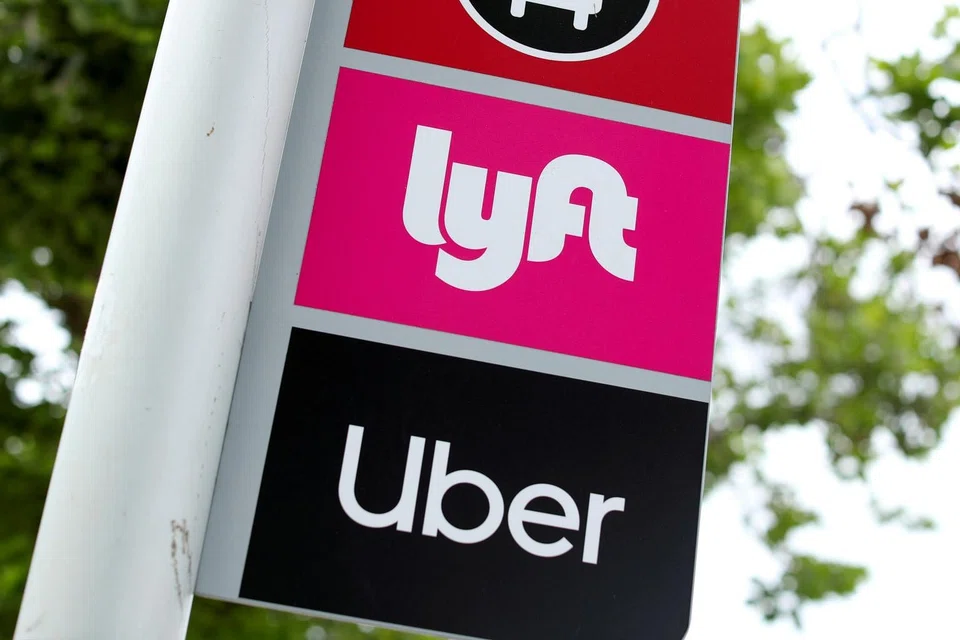
[AUSTIN, Texas] Under growing threat by a new US administration insistent on reclassifying ride-hail and food delivery workers as employees with full benefits, gig economy companies including Uber, Lyft, Doordash and Instacart are pushing to keep drivers' independent contractor status, albeit with additional benefits.
The companies, whose business model relies on low-cost flexible labour, argue that surveys show the majority of their workers do not want to be employees, saying a new generation of workers wants to choose when and how much to work.
They hope to convince US officials and lawmakers to drop attempts to reclassify gig workers as employees, efforts that have gained urgency with the election of US President Joe Biden, who campaigned on the promise of delivering benefits to gig workers.
US Labour Secretary Marty Walsh on Thursday intensified the debate, telling Reuters in an interview that "a lot of gig workers should be classified as employees."
Shares in Uber Technologies, Lyft and DoorDash Inc fell as much as 12 per cent on Thursday following Mr Walsh's comments.
Turning gig workers into employees would jeopardise the companies' business model, which relies on millions of largely part-time workers who do not receive any benefits, such as unemployment or sick pay.
Navigate Asia in
a new global order
Get the insights delivered to your inbox.
Less than two weeks after Mr Biden was declared the winner of the 2020 presidential election, Uber, Lyft, DoorDash, Instacart and Postmates banded together to form the App-Based Work Alliance, a Washington-based advocacy group.
In response to Mr Walsh's remarks, the Alliance in a statement on Thursday said it looked forward to coming together with the secretary to have "much-needed discussions about advancing modern policies that protect worker independence and flexibility, while strengthening benefits and protections."
The group says its goal is to achieve changes in US labour law that allow workers to maintain flexibility while also receiving more modest benefits than required for employees, including minimum pay standards, healthcare subsidies and accident insurance.
Uber sent a letter to the Biden transition team in December and one to all members of Congress in February, calling on them to support what the company calls its "third-way" proposal.
Labour groups say that proposal would create a new underclass of workers with fewer rights and protections.
Gig Workers Rising, a group of workers that advocates for greater benefits, on Thursday called on regulators to step in and protect working people.
CALIFORNIA VOTE
The gig economy companies scored a decisive win in California in November, when voters of the Democratic-leaning state supported a company-sponsored ballot measure that cemented gig workers' status as independent contractors, overwriting a state law that would have made them employees.
Gig workers in the state now have access to limited benefits, including healthcare subsidies, accident insurance and minimum pay while passengers are in their car.
Those benefits are significantly less costly than employee benefits.
Turning California ride-hail drivers into employees would have left Uber and Lyft each with more than US$392 million in annual payroll taxes and workers' compensation costs alone, a Reuters calculation showed.
But absent from the proposals companies have put forward so far is the provision of unemployment pay, one of the most costly employer benefits.
The lack of gig workers' access to unemployment coverage was thrown in the spotlight during the coronavirus pandemic, when an act of Congress saw taxpayers foot the unemployment bill for such workers.
REUTERS
Decoding Asia newsletter: your guide to navigating Asia in a new global order. Sign up here to get Decoding Asia newsletter. Delivered to your inbox. Free.
Share with us your feedback on BT's products and services

