

Meal kits are the next best thing in Covid-19 pandemic
 Add BT as a preferred source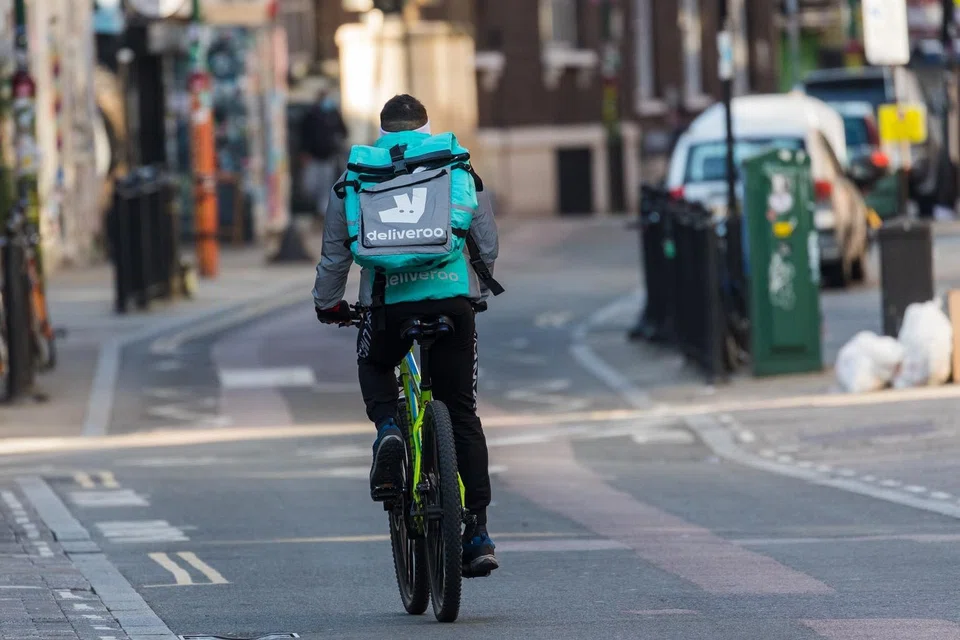
[LONDON] A whole generation of tech startups was built on the premise that the most lucrative business model aim to connect people or businesses on one side of the marketplace with people or businesses on the other side.
Whether Tinder, Uber Technologies or Airbnb, the platform theory held that acting as a facilitator for someone else's offering meant you could scrape off commission while maintaining an asset-light business whose low operational costs rewarded you with high profitability.
But no one foresaw an event that would shut down a whole side of the marketplace, and the coronavirus pandemic has done just that. For Airbnb, self-isolation means that nobody is travelling. There is plenty of supply with millions of listings still on the site, but the demand has all but evaporated. The same goes for Uber rides.
In food delivery, it's the supply side that has difficulties. On the whole, services like Uber Eats, Grubhub, Deliveroo and Just Eat Takeaway depend on existing restaurants to cook meals. But for many, if not most, of those restaurants, the main business was still preparing food for on-site dining. Now that's not possible in the UK, France, Italy and elsewhere, continuing to operate as a delivery-only operation fundamentally changes the economics of the business: Restaurants still have operating costs, except now they might have to direct a quarter of their income to the food delivery platforms. Many have simply shut their doors completely because they can't make it work.
Chinese delivery platform Meituan Dianping is already feeling the impact, as my colleague Tim Culpan wrote on Tuesday. ("Uber Eats and Grubhub are trying to counter the trend by subsidising some restaurant costs")
Which is why companies like HelloFresh and Blue Apron Holdings, long the subject of Silicon Valley derision, suddenly seem to have very sensible business models. On the surface, they are similar to the food delivery platforms: They too deliver food.
The difference is that, because they deliver meal kits they put together in their own kitchens, they control the supply, whereas a firm like Deliveroo has to worry about ensuring it has enough restaurants and customers. HelloFresh's concern is simply demand. Even then, there's less need for as high a density of demand than for takeaway food - though of course it helps.
Because customers cook the meals themselves, there's less anxiety about a dish congealing in the panniers of a moped. While Deliveroo has started operating some of its own kitchens, it still has to compete with Grubhub, Just Eat Takeaway and Uber Eats on two fronts. HelloFresh can concentrate on one: customers.
The upshot is that business is soaring for the meal-kit firms. HelloFresh said on Monday it's expecting first-quarter sales of between 685 million euros (S$1.08 billion) and 710 million euros, up from 420 million euros a year earlier. Analysts had been expecting revenue of 553 million euros. The company anticipates adjusted first-quarter Ebitda (earnings before interest, taxes, depreciation and amortization) of as much as 75 million euros - in just three months, it's set to make about three quarters of the profit that analysts had anticipated for the full year.
Uber, which isn't expected to be profitable at all on a similar basis until 2022, has seen just a 10 per cent jump in US orders at its food delivery business, according to The Information.
HelloFresh stock is up 70 per cent this year, valuing the Berlin-based firm at 5.2 billion euros - more than Grubhub or grocers Casino Guichard Perrachon and Wm Morrison Supermarkets.
Beleaguered Blue Apron's shares have jumped more than fourfold from a March 13 low, giving it a US$156 million market capitalisation, though its ability to capitalise on surging demand is more limited - it has been cutting costs in recent months. Meanwhile HelloFresh is expanding: It plans to add 400 employees at a site in Oxfordshire, near London, according to the BBC.
Silicon Valley dogma tends to dictate that assets are bad. But in some instances, more control over the factors of supply can be very satisfying indeed.
BLOOMBERG
Decoding Asia newsletter: your guide to navigating Asia in a new global order. Sign up here to get Decoding Asia newsletter. Delivered to your inbox. Free.
Share with us your feedback on BT's products and services
TRENDING NOW
UOB v Lippo Marina Collection: Court quadruples damages awarded to bank to S$76.1 million

NDR 2026: Childcare leave salary caps still leave gaps for higher-income parents
How BYD disrupted Singapore’s car market – and why the strategy is turning on itself

When every phone becomes a satellite phone, what happens to Asia’s telcos?

