

NFL star, venture firms back startup's 'micro-gyms' concept
 Add BT as a preferred source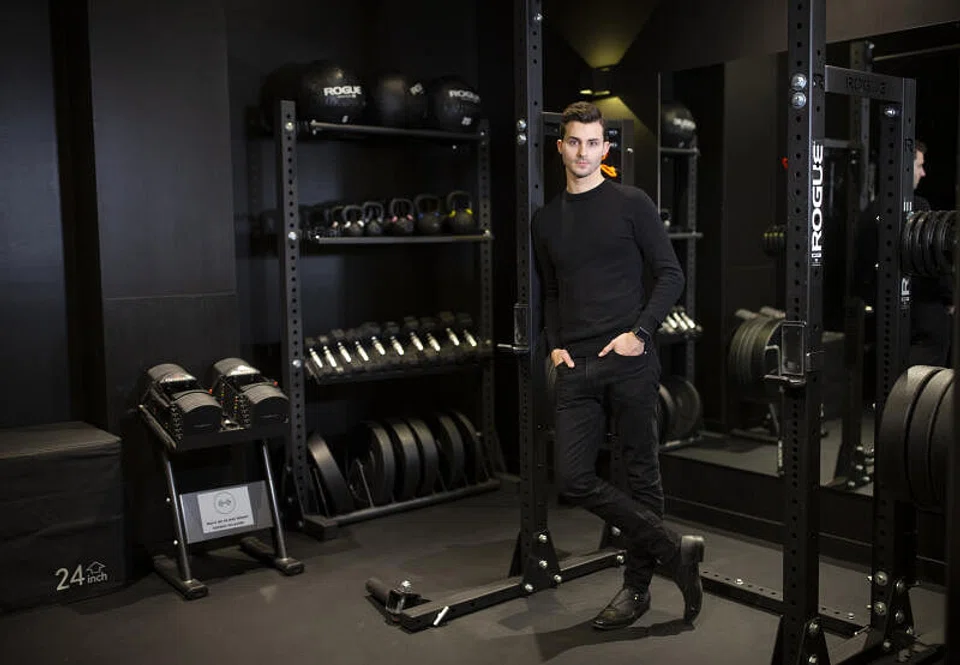
[MONTREAL] Wilfred Valenta opened his first "micro-gym" almost two years ago, repurposing a 580-square-foot office space in downtown Montreal and renting it out by the hour to fitness trainers and small workout groups.
He couldn't have known back then how fortuitous his timing was.
Now, with the Covid-19 pandemic forcing many big gyms to stay closed, his company, Silofit Incorporated, is rushing to scale up. After five openings since September, it is adding a dozen locations in Toronto next year.
It's also accelerating plans to enter the US$32 billion gym market in the US, backed by money from US and Canadian venture capital firms and NFL player Ndamukong Suh, a defensive tackle for the Tampa Bay Buccaneers. And it's preparing add-on services for fitness trainers, its core customers.
"We're at the point where we're seeing such a large appetite that we would like to expand faster," said Mr Valenta, Silofit's co-founder and chief executive officer, said in an interview. "The industry was moving away from big box gyms memberships - Covid just accelerated that." The virus has been brutal for fitness clubs, leading to a string of bankruptcies, while propelling companies like Peloton Interactive that help people exercise in private.
In the early stages of the pandemic, Silofit was in the same predicament as its big rivals. Even as it planned to add locations, it was ordered to close existing ones. After Montreal reopened, in the summer, occupancy rates for Silofit facilities were still below pre-pandemic levels.
Navigate Asia in
a new global order
Get the insights delivered to your inbox.
The turning point came in the fall, as the temperature dropped. In Montreal, Silofit was allowed to stay open for two-person workouts even after the government forced big gyms to close again. Newly opened Toronto micro-gyms got media attention and booked up.
"That really got the wheels in motion, and after that it just snowballed," Mr Valenta said.
There are signs of pent-up demand. The number of people downloading the company's scheduling app tripled to 6,000 in the six weeks through the end of November. Even though locations were booked up, people were checking availability daily.
In a December survey for US-based investment bank Harrison Co, 27 per cent of respondents who exercised regularly said they had cancelled their gym membership during the pandemic, and another 12 per cent planned to. Research firm IBISWorld expects the industry's revenue to drop 13 per cent in 2020.
Silofit's private-gym concept caters to people's yearning for activities outside the home, while offering a relative sense of safety - there's no stranger sweating next to you, and the space is cleaned between sessions. Bookings are made through the app, and a code to unlock the door is sent minutes before the session starts.
Rates range from C$15 (S$15.50) to C$30 an hour, depending on the time of day and room size. The space has a boutique gym feel, with a decor catering to selfie lovers, including light-colour wood, turf, plants and mirrors. The company is targeting personal trainers, who make the majority of bookings.
In the traditional personal-training model, coaches give a hefty cut to the gym they're attached to. But the pandemic has offered the most business-savvy ones a chance to develop an independent online following, according to Paul Byrne, a fitness industry veteran who's a partner at Harrison Co. The firm's survey found that 12 per cent of the 1,050 respondents now use a personal coach, compared with 1 per cent before the pandemic.
"This has been good for trainers, it's really given them a boost," Mr Byrne said of the crisis.
Silofit's longer-term goal is to offer everything trainers need to build and run their business, both online and in person, said Deepen Parikh, a partner at US-based Courtside Ventures, one of the company's investors.
The company has received C$4.7 million in funding since its 2018 founding and seeks to raise another US$10 million to support its US expansion. Besides Suh and Courtside, other investors include Toronto-based Whitecap Venture Partners and Alate Partners.
"This is an opportunity to really own the whole fitness and wellness professional ecosystem" said Mr Parikh, who sits on Silofit's board.
Silofit plans to take a step in that direction next year, with the launch of monthly subscriptions offering trainers recurring gym bookings and promotional photos. It will also match coaches with potential clients.
To succeed, it will need to win over thousands of trainers like Montreal-based Sandrine Cassis. After developing an online programme of workouts and positive affirmations, Ms Cassis got requests for one-on-one sessions earlier this year. She taught outside and over Zoom before finding Silofit in her research for cold-weather options.
"It has everything I want - it's clean, it's cozy, it's bright," Ms Cassis said.
With locations fully booked lately, Ms Cassis says she'd pay a subscription to get easier access to reservations. Being featured on the platform would also be attractive as she tries to grow her business.
"That would be really good for me - to get new clients," she said.
BLOOMBERG
Decoding Asia newsletter: your guide to navigating Asia in a new global order. Sign up here to get Decoding Asia newsletter. Delivered to your inbox. Free.
Share with us your feedback on BT's products and services
TRENDING NOW

Middle East-linked energy supply shocks put Asean Power Grid back in focus

‘We’re not a bubble tea brand’: Chagee aims to double Asia-Pacific footprint to 600 stores by 2027

Meet the women who run one of Singapore’s most trusted hotel brands

Family office for US$12 billion Tetra Pak Fortune exits Hong Kong

