
Singapore crypto ambitions on track, despite crypto winter
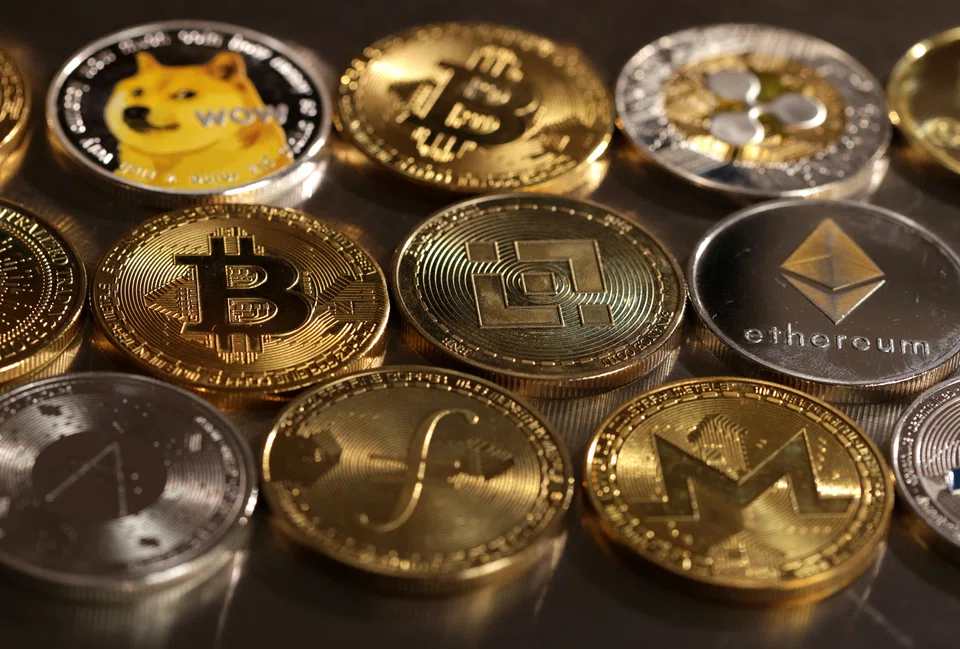
    • Crypto investors and users of insolvent crypto platforms likely will have to hang tight as these companies work out a turnaround plan under a debt moratorium.
    • Crypto investors and users of insolvent crypto platforms likely will have to hang tight as these companies work out a turnaround plan under a debt moratorium. PHOTO: REUTERS
    Published Mon, Aug 22, 2022 · 05:50 AM

    IT HAS been an eventful period for the cryptocurrency industry to say the least. Looking broadly, the collective capitalisation of crypto assets has dwindled by approximately US$2 trillion since its peak of US$3 trillion in November 2021. Coupled with rising inflation, higher interest rates and various geopolitical factors, the sentiment is bearish for digital assets.

    Casualties of the crypto winter have, to date, included several high-profile companies linked to Singapore such as TerraForm Labs, Luna Foundation Guard and Three Arrows Capital. Most recently, Singapore-based Hodlnaut announced that it had suspended withdrawals, swaps and deposits “due to recent market conditions”.

    Despite this, these events are very unlikely to deter Singapore’s ambitions to become a global digital asset hub, as its interest is not in cryptocurrency itself but the underlying blockchain technology and Web3 applications.


    Singapore’s central bank and regulator, the Monetary Authority of Singapore (MAS), was never under any illusions about the price volatility of cryptocurrencies and has always cautioned that cryptocurrencies are not suitable as investments for retail investors. As part of MAS’ guidelines, cryptocurrency platforms are also prohibited from advertising and marketing their services to the general public in Singapore.

    Singapore has been consistently recognised as one of the best places to do business for its efficient and open economy, and crypto firms are eager to leverage the city state’s strategic location as a gateway to the wider South-east Asia region. Under present regulations, crypto firms can operate in Singapore if they obtain a Digital Payment Token (DPT) licence from the MAS or if they are granted an exemption from obtaining a DPT licence under the Payment Services Act.

    Almost 200 crypto firms were hopeful to receive a coveted licence to provide digital payment token services, but the rigorous requirements to apply for the DPT licence, and the stringent standards to obtain one, remains a bugbear for the fast-moving space.

    Second chances: To re-licence, or not

    Hodlnaut, which provides crypto interest accounts that boasted a mouthwatering 7.25 per cent annual percentage yield (APY), is the latest company to fall in a streak of crypto casualties. In Hodlnaut’s case, it was one of the few firms granted an in-principle approval for a DPT licence back in March 2022, which MAS has since rescinded upon the company’s application to withdraw.

    Without the DPT licence, Hodlnaut will not be able to offer token swap services to users in Singapore. It can, however, still offer borrowing and lending services for cryptocurrency-related transactions as this is not an activity currently regulated by the MAS.

    Should Hodlnaut be able to stabilise its financial position, it is, at least on paper, possible for the company to file a fresh application for the DPT licence in the future. The key question would be whether this second application would be viewed as favourably as its successful first application, given the circumstances which led to its withdrawal.

    When assessing an application for a DPT licence, the MAS takes into consideration factors such as the applicant’s financial condition, business plan as well as its track record.

    With that in mind, it goes without saying that Hodlnaut can certainly expect a more challenging second application process.

    However, this is not to suggest that any crypto firm that has previously applied for, but subsequently withdrawn, a licence will be “blacklisted” for a new DPT licence application. Each application will ultimately be assessed on its own merits and the MAS will have to be satisfied that the applicant will become a responsible player in Singapore’s crypto industry and facilitate the development of blockchain technology for real-world applications.

    The MAS’ responsible approach of prioritising the quality over the quantity of players in this ecosystem is very unlikely to change in the short to medium term.

    Knowing your rights as an investor

    In latest developments, Hodlnaut has applied to be placed under judicial management, a temporary court-supervised rehabilitation method to help financially distressed companies restructure and restore themselves back to profitability. Historically, judicial management has been a preferred mode of debt restructuring given its appointment of an independent third party, which takes over the business affairs of the company in a bid to nurse the company back to health. For users intending to take legal action, they will have to hang tight as Hodlnaut will be temporarily shielded from legal proceedings by third parties if its application succeeds.

    As it goes, before signing up for any digital services, one should review the company’s standard terms and conditions to have a better understanding of one’s current and prospective legal rights. The law routinely recognises the existence of “implied terms” in commercial contracts – terms that are not specifically or expressly provided for in the contract, but deemed necessary for its “business efficacy”. When in doubt, seek legal advice, on both the expressed and implied legal rights of both the company and the user.

    Professional advice should also ideally be sought on any recovery plan the company may propose to its users.

    The future of Singapore’s crypto licensing regime

    As MAS’ licensing regime continues to evolve, the DPT requirement will likely be here to stay. MAS has sent a clear signal that it does not intend for Singapore to grow as a digital asset hub without any checks and balances. In fact, the regulator announced that it would look towards widening the scope of crypto-related regulations to a catch-all covering areas such as consumer protection, market conduct and reserve backing for stablecoins.

    There is no doubt that expanded and more robust regulations can help the crypto ecosystem mature with guardrails to sieve out bad actors or misconduct. However, it naturally comes at a demanding price of admission for industry players, causing a blight on the perception of Singapore as a vibrant innovation ecosystem. In the short run, some crypto firms may uproot their operations to another jurisdiction with fewer regulations.

    Yet, like many asset owners may advise, it is important not to lose sight of the future and keep a long-term perspective. Singapore may well emerge as a more attractive and prestigious hub precisely because it is selective and only allows firms with high standards to set up here. The balance between innovation and regulation is one that all regulators – not just the MAS - will have to grapple with in the years to come.

    To ensure a healthy crypto market that can flourish, regulations alone are not enough. Crypto firms have to shore up their business models to be more resilient and robust in the waves of changes. Market participants and investors must, as they say, do their due diligence, by exercising prudence and doing the research before making an investment, and in case of any trouble, seeking adequate legal advice as promptly as possible.

    The writer is partner, RPC Premier Law.


