

Singapore’s BNPL code of conduct needs to pave way for independent regulation
It is restricted in how much it can protect consumers, and its enforcement is complicated by a questionable method of appointment for the oversight committee

Sharanya Pillai
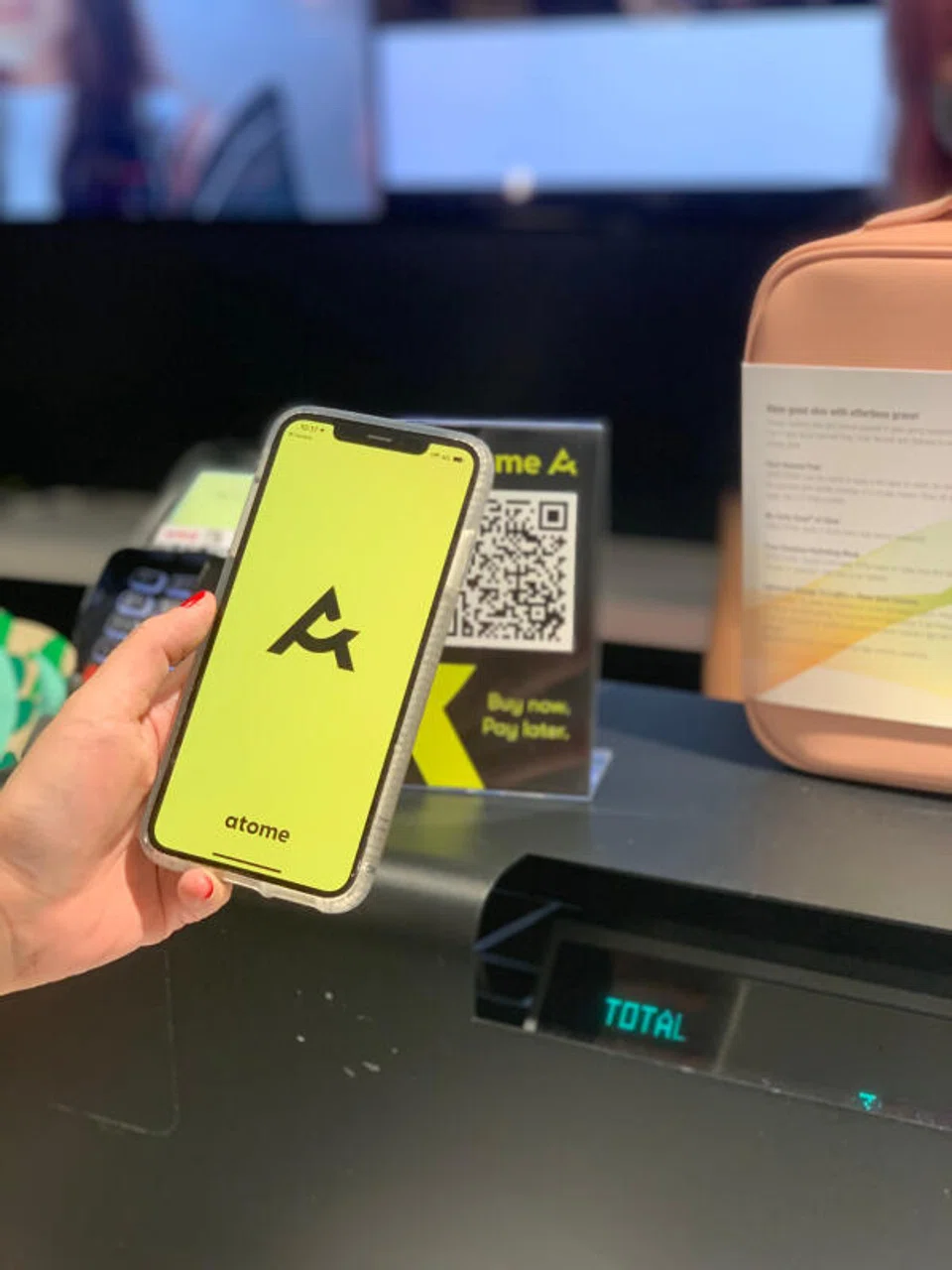
SINGAPORE’S buy now pay later (BNPL) players ramped up self-regulation with the launch of a code of conduct last week – including an accreditation process, the setting up of a credit data bureau and the formation of an oversight committee (OC) for compliance.
This is a step forward for the sector, but does not go far enough. The code is restricted in how much it can protect consumers, and its enforcement is complicated by a questionable method of appointment for the OC.
Safeguards under the code include a S$2,000 limit on outstanding payments that consumers can accumulate with a BNPL provider (unless they complete an additional credit assessment) and transparent fee structures with no compounding interest.
BNPL providers must also allow consumers to voluntarily exclude themselves from BNPL services. The platforms have to consider working out mutually acceptable payment arrangements with consumers in financial hardship.
BNPL providers will undergo an audit and accreditation process by an independent expert assessor, following which they can receive a trustmark and be listed in the BNPL registry.
While the code has important safeguards, it is not legally binding. If a trustmark holder is found to be non-compliant, the Singapore FinTech Association (SFA), which formed the working group behind the code, will raise the matter to the OC for investigation.
But members of the OC will be voted in by the BNPL working group, which comprises industry players Atome, Grab, ShopBack, SeaMoney, Pace, Ablr, Latitude Pay and Split.
The SFA will facilitate the appointment process by calling for a vote in the BNPL working group upon receiving nominations, a spokesperson said in response to queries from The Business Times. A majority vote is required for appointment.
Asked how the working group will ensure the independence of the OC, the spokesperson said: “The OC members will be required to adhere to the guidelines stated in the OC terms of reference to ensure independence, integrity, impartiality and transparency.”
This still leaves a big question: Can the OC be seen as fair and independent, if its members are elected by the very companies that it is tasked to oversee?
Slap-on-the-wrist penalties
Upon suspected violation of the code of conduct, the OC may ask for a written submission from an accredited BNPL provider.
The code adds: “In such a scenario, the OC should disclose the subject of investigation and the related theory of harm, so as to allow the accredited BNPL provider to respond succinctly, instead of unnecessarily broadening the investigation.”
Its other powers include being able to “request for accredited BNPL providers to cease and desist violations” and removing a player from the BNPL registry.
These slap-on-the-wrist penalties stem from the lack of real regulatory power afforded to the OC. Meanwhile, the Monetary Authority of Singapore (MAS), which regulates the financial sector, is only involved in the BNPL working group in providing guidance.
Some may argue that this soft-touch approach works for the BNPL industry, given its relatively small volumes. BNPL transactions last year amounted to S$440 million, less than 0.5 per cent of the S$103 billion in credit and debit card payments.
Such an argument fails to consider that these low volumes may come from a vulnerable segment of the market that grows more vulnerable as interest rates rise. BNPL apps are easily accessible to young or low-income consumers who may not have a stable income or sufficient savings. There is a need for independent oversight, and rules that apply even to non-accredited players.
There is growing recognition of this abroad. Australia has had a BNPL code of conduct in effect since 2021, but is now looking into formal regulations. In June, the Australian financial services minister said the country will push ahead with plans to bring BNPL providers under credit laws.
As the minister told The Guardian: “Can we stop having an argument about whether (they’re) credit or not? It really is a dead-end street. Let’s start working on regulating (them) within the credit space.”
Similarly, the US Consumer Financial Protection Bureau last month said it plans to start regulating the sector to align it with standards in the credit card industry.
As Singapore rolls out the code of conduct, the bigger question is perhaps whether self-regulation is indeed the best approach for this sector; and if MAS should be more than an adviser.
TRENDING NOW

Once staunchly pro-China, Malaysian Chinese businesses are now distancing themselves from Beijing

New launch or resale unit? Here’s a guide for homebuyers
The lesser-known prospects in the Asian chipmaking supply chain

Cliff Tan has 7 million followers and a 4-month waitlist. Why won’t he expand his business?

