

Sustenir's CEO Benjamin Swan steps down
 Add BT as a preferred source
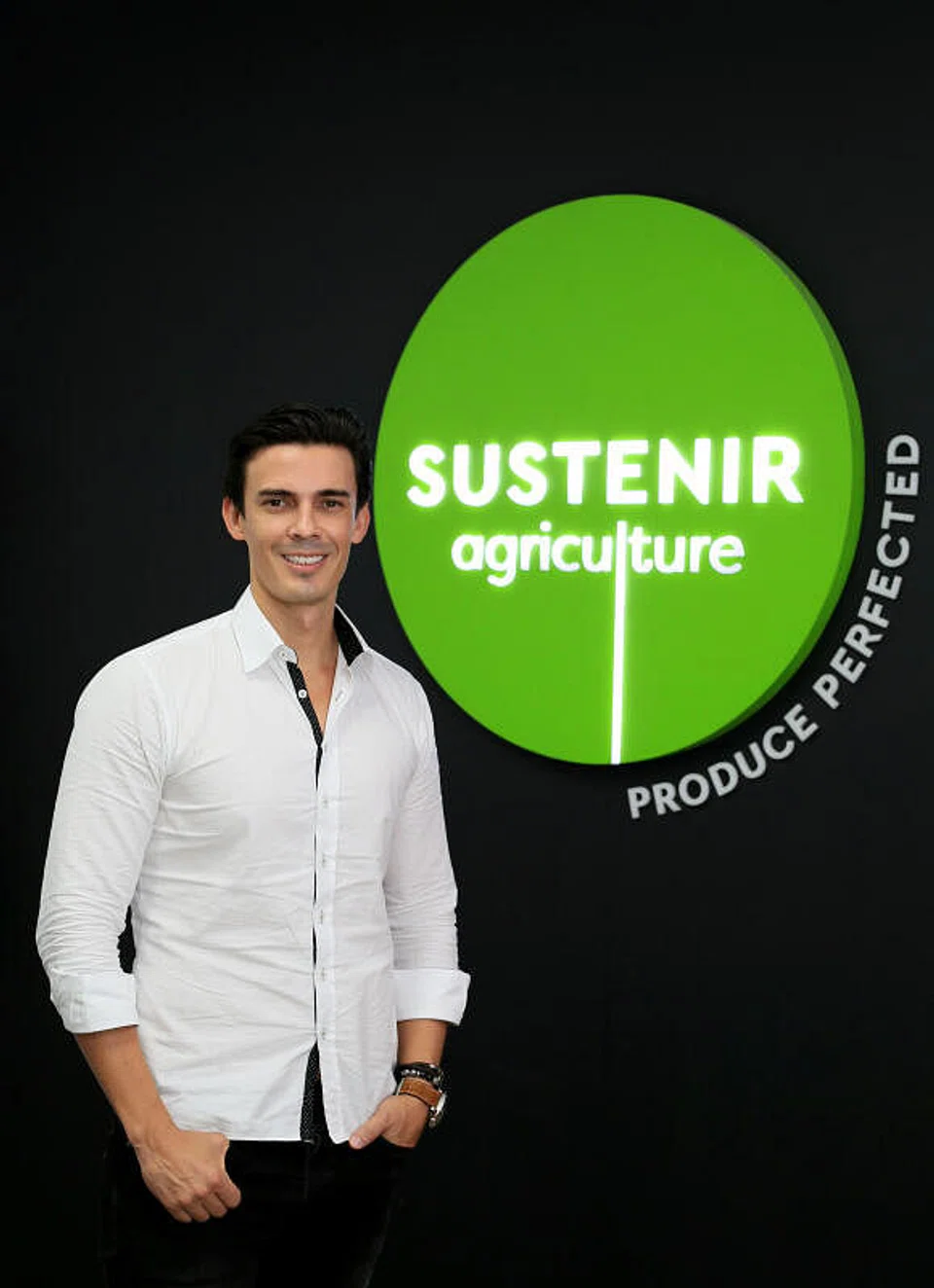
SUSTENIR, a Temasek-backed urban farming startup, will soon announce a new chief executive officer after its co-founder Benjamin Swan stepped down from the position.
"As every great company has its growing pains, there's also a point where the company needs to separate from the founders to allow a new leadership team to drive that success," Swan said in a LinkedIn post on Tuesday (Dec 7) evening.
He told The Business Times that he will remain on the board of Sustenir as non-executive director, while his co-founder Martin Lavoo, who served as executive director, will become a non-executive director.
Swan said in his LinkedIn post that Sustenir's journey has not been an easy one. "We've had disruptions affecting nearly every aspect of the business, both within and outside of our control. The challenges we've faced over the years have taught us to build a resilient and agile business. But most importantly, to believe in ourselves and innovate our way out of difficult situations," he wrote.
He and Lavoo started Sustenir after experimenting with growing kale in a basement underneath a swimming pool some 9 years ago. Since then, the Singapore-based company has figured out ways to grow crops, such as strawberries, that would normally thrive only in cooler climates.
Sustenir raised US$28.7 million in equity funding, according to data platform VentureCap Insights. It was valued at US$78.5 million in Dec 2020.
Swan said his new company will work with small to medium-sized outdoor farms to integrate technology into their practices, especially as Singapore works towards its goal of producing at least 30 per cent of the country's nutritional needs locally by 2030.
"How do we look after the little guys? How do we get them economies of scale on the technologies that are relevant to their farming footprint? And it's especially true here in Singapore ... where our land parcels are relatively small," he told BT.
"The other problem that we have right now is that the majority of the technology is designed for cold climates in North America and Europe, so they don't really work well here."
Swan is already working with the Singapore Food Agency on a project in which Lim Chu Kang, which currently houses some traditional farms, is being redeveloped into a high-tech agrifood cluster.
Decoding Asia newsletter: your guide to navigating Asia in a new global order. Sign up here to get Decoding Asia newsletter. Delivered to your inbox. Free.
Copyright SPH Media. All rights reserved.
TRENDING NOW
Think twice about rebuilding that old landed property into a super-big house to max out GFA

SpaceX’s US$1.75 trillion IPO: How retail investors, including those in Singapore, can buy shares

Battle for Asia’s ultra-rich: ‘Singapore can’t afford to keep losing clients to Dubai, Hong Kong’
Tech rout sweeps Asia as AI rally jitters spark sell-off

