

Tech giant GoTo said to hire banks for US$1b Indonesian IPO
 Add BT as a preferred source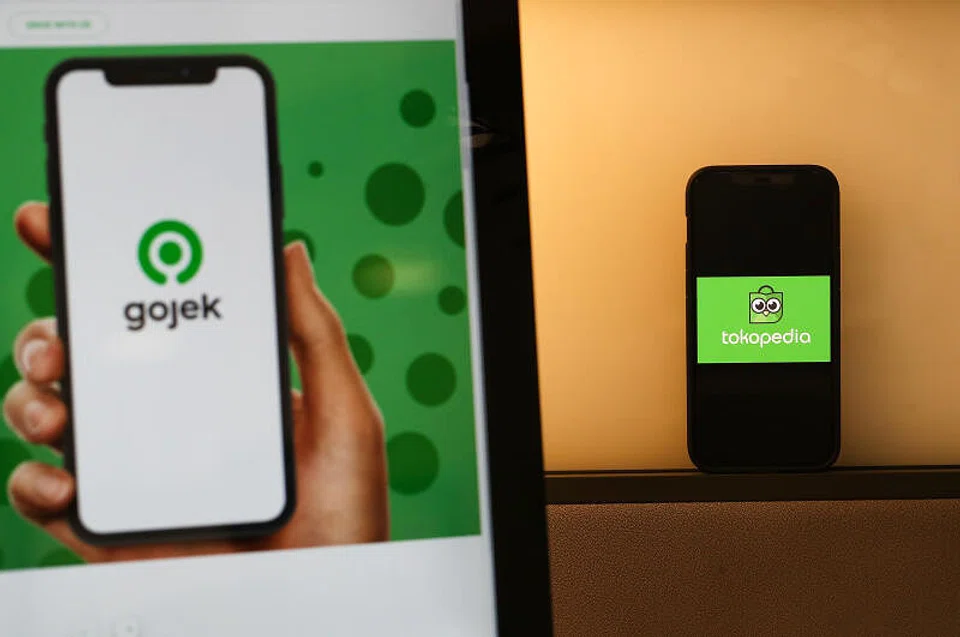
DeeperDive is a beta AI feature. Refer to full articles for the facts.
[JAKARTA] GoTo Group has hired banks to help it raise around US$1 billion from an initial public offering in Indonesia, according to people familiar with the matter.
The company, formed as the result of a merger by the country's two most valuable internet startups, has picked PT Mandiri Sekuritas and PT Indo Premier Sekuritas as underwriters for a local IPO that could happen as soon as next quarter, the people said, asking not to be named as the matter is private. GoTo will be listed as PT GoTo Gojek Tokopedia, they said.
A representative for GoTo didn't immediately comment on the matter.
The Jakarta-based firm has embarked on a fundraising push in the months leading to a planned Indonesian IPO that would be followed by a US listing.
It raised more than US$1.3 billion in the first closing of a pre-IPO round that included investors such as Google and Fidelity International, as it seeks a valuation of US$25 billion to US$30 billion ahead of its public offering.
Indonesia has revamped share listing rules in a bid to attract tech giants, letting founders retain control after a listing by allowing shares with multiple voting rights. After a record-breaking year of IPOs in 2021, authorities expect offerings by companies like GoTo and Blibli, backed by conglomerate Djarum Group, to help the market set another all-time high next year.
Navigate Asia in
a new global order
Get the insights delivered to your inbox.
BLOOMBERG
Decoding Asia newsletter: your guide to navigating Asia in a new global order. Sign up here to get Decoding Asia newsletter. Delivered to your inbox. Free.
Copyright SPH Media. All rights reserved.
TRENDING NOW

Vietnam formalises new state leadership, redefining ‘four pillars’ power balance

‘Largest Singapore commercial S-Reit proxy’: analysts say buy CICT shares after Paragon acquisition
From 1MDB to ‘corporate mafia’: Is Malaysia facing a new governance test?

Why where you park your joint venture matters: Lessons from a US$689 million shareholder dispute

