

SG startups’ love story with the US unfazed by tariff threats
Singapore-based firms have made significant investments in the US in recent years and reaped handsome benefits
FOR many brands in Asia, turning to the US to boost sales is a no-brainer. The country is the world’s largest consumer market and often leads to big business for those who have successfully expanded there.
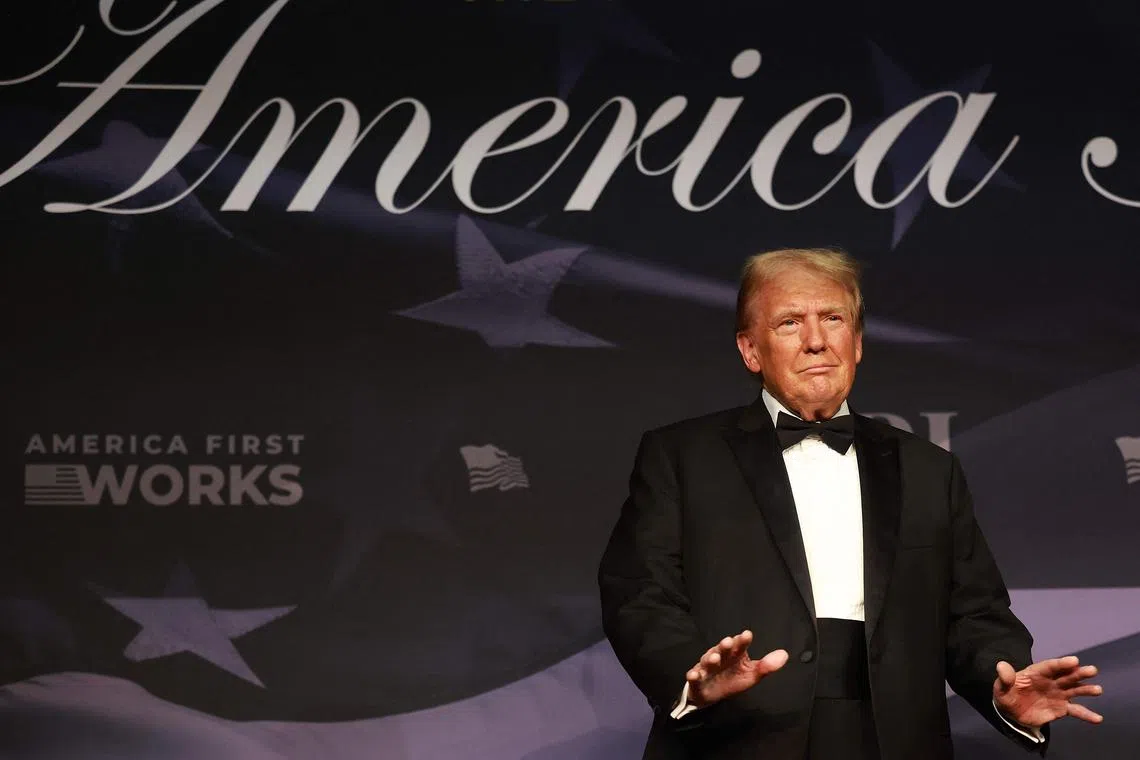
But US president-elect Donald Trump’s threats to impose import tariffs of 10 to 20 per cent across the board – and 60 per cent or more for goods originating in China – could unwind some of the progress made.
If imposed, the tariffs will apply both to finished goods produced overseas and raw materials imported to manufacture products in the US.
Staying put… for now
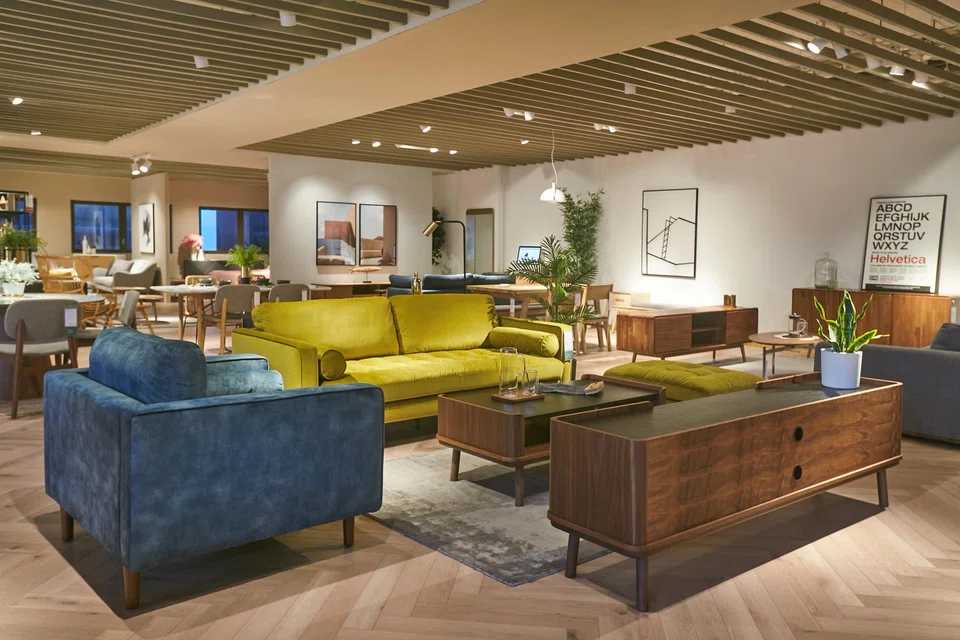
Singapore-based firms, including gaming chair company Secretlab, smart locks firm IglooCompany, and furniture brand Castlery, have made significant investments in the US in recent years and reaped handsome benefits.
Castlery, for instance, saw “explosive” growth as a result of an aggressive expansion effort in 2019.
Tech in Asia spoke to several consumer brands and brand operators based in Singapore, all of which derive a significant portion of their sales from the US.
While the proposed tariffs have given them pause in how they think about their supply chains, companies say they are staying put – at least for now.
For many businesses, the US is too large a market to ignore.
Sant Qiu, whose firm Maneuver Marketing has dealt with tariffs imposed by Trump in his previous term, notes that dealing with tariff-related issues is “easier” than drastically changing tack to focus on other markets.
The firm operates a six-year-old direct-to-consumer health supplements brand that sells mainly to US consumers via Shopify and Amazon.
The degree of the proposed tariffs’ impact, however, could vary depending on factors including where a firm’s manufacturing base is located, its dependence on foreign suppliers, flexibility to shift bases, as well as product categories that they deal in.
It is worth noting, though, that the US has, in the past, made exemptions for certain companies, products, or countries.
For instance, Apple dodged tariffs in 2019. The Trump administration also previously exempted plastic straws and dog leashes, among other products, from tariffs and could exempt Canada’s oil and gas sector this time around.
A brand may also be able to raise prices – and preserve its margins – depending on its market share and pricing power.
Short-term acceleration
“Tariffs would likely introduce some headwinds to cross-border brands like ours and be inflationary for US consumers,” JJ Chai, chief executive of e-commerce roll-up company Rainforest, tells Tech in Asia.
Rainforest owns 17 mum-and-baby brands, including Lilly’s Love and Babbleroo, which sells diaper bags and other baby gear.
The US contributes up to 90 per cent of its sales across its brands, Chai discloses.
These labels mainly work with suppliers based in China – and some from Vietnam – and typically sell via Amazon, Shopify or directly to consumers. This would make many products susceptible to the higher tariff rates of 60 to 100 per cent that could be imposed on imports from China.
However, Chai notes that the less discretionary nature of mum-and-baby products means that consumers are unlikely to pull back on spending on this category entirely.
“We expect sales to continue as usual on the announcement of tariffs,” Chai notes.
In fact, Rainforest expects to see some “short-term sales acceleration” if consumers realise that the tariffs will eventually result in price increases, Chai adds.
Rather than raising the cost of products, however, a bigger concern is whether tariffs could depress the “already softer” economy by hitting consumer demand, notes Qiu of Maneuver Marketing.
He says its health supplements brand will consider passing on some of the increased costs to its customers. While Maneuver Marketing has absorbed some of the impact from rising inflation, it will have to “find ways to protect margins”, either through improving operational efficiency or passing on costs.
Meanwhile, Rainforest says it would consider shifting to suppliers that are more price-competitive “anywhere globally, including the US,” Chai shares. Some of its existing brands already source their products from suppliers in Vietnam.
While the firm has been exploring sourcing from countries with lower tariff risks, a “cursory exploration” has found “very little competitive production capabilities in the US for the types of products that we are in”, Chai says.
“We’re undeterred”
While tariffs could introduce cost pressures, Truegenics, another firm managing health supplements brands, is “seeing enough growth potential” in the US market that “we’re undeterred”, says its CEO Alvin Huang.
“The US remains a substantial and high-potential market for us.”
The Singapore-based firm sells supplements targeting heart health, weight loss and pain relief under three labels: Simple Promise, 5th and Glow, and N-Labs.
Huang says 90 per cent of the company’s products are produced domestically in the US. Despite that, potential tariffs could still exert cost pressure on its supply chain and production expenses. While “this wouldn’t necessarily impact sales, it could tighten our margins”, he adds.
Previous Trump-era tariffs, alongside geopolitical shocks caused by the Russian-Ukraine war and the Covid-19 pandemic, among other geopolitical events, have prompted firms to diversify their supply chains. This means many are now better prepared to weather unprecedented events and shocks.
During the pandemic, Singapore-based smart locks firm IglooCompany set up a second headquarters in Austin, Texas, to capitalise on growing demand for its products in the US, which contributes to more than half the company’s sales.
CEO Anthony Chow says the firm’s “highly diversified” supply chain, with manufacturing bases in China, Korea, Vietnam and Malaysia, will also make it more resilient and flexible in navigating any challenges.
Likewise, Qiu of Maneuver Marketing says his firm has already been diversifying its focus to countries like Canada, Australia, the UK and Europe, though the US will continue to be its main market in the foreseeable future.
Still, he doesn’t rule out increasing efforts to expand to other countries if needed. “We’ll continue to keep a close eye on the development on the ground.”
The fittest will survive
One potential upside of the Trump administration plugging tariff loopholes is that it could benefit brands like Rainforest’s, “that sell via established channels, pay tariffs, and fulfil compliance requirements”, Rainforest’s CEO Chai notes.
Many cross-border e-commerce firms, including Shein and Temu, have long-exploited a “de minimis” rule that allows low-value shipments under US$800 to bypass duties and proper product compliance checks.
For now, Trugenic’s Huang says the US market will continue to be its “primary focus”, and that the company does not expect immediate shifts to its strategic direction.
“We see it as another operational challenge,” he says, adding that focusing on internal efficiencies, reducing costs and refining its customer retention strategy to increase lifetime value has become “crucial”.
Just as the firm navigated the Covid-19 pandemic, “these challenges only underscore the importance of future planning and strong business fundamentals”, he adds.
With little bargaining power, startups do not have much choice, but to take such changes in stride.
“We see these as opportunities to innovate and adapt, just as we’ve approached various challenges throughout our journey,” IglooCompany’s Chow says. TECH IN ASIA
TRENDING NOW

DBS, OCBC, UOB rout lops billions off STI as inflation, rate concerns spook investors

Grab CEO’s wife Chloe Tong on life with Anthony Tan and finding her purpose

OCBC sheds S$8 billion in value as shares close nearly 6% down; analysts cautious on banks

Deal between tycoon friends sparks scrutiny of Philippine power sector

