Singapore’s GlobalTix ups revenue by 10% in FY25 as Apac push mounts
The company provides tour operators with a cloud-based system for inventory management, pricing, and digital ticket issuance
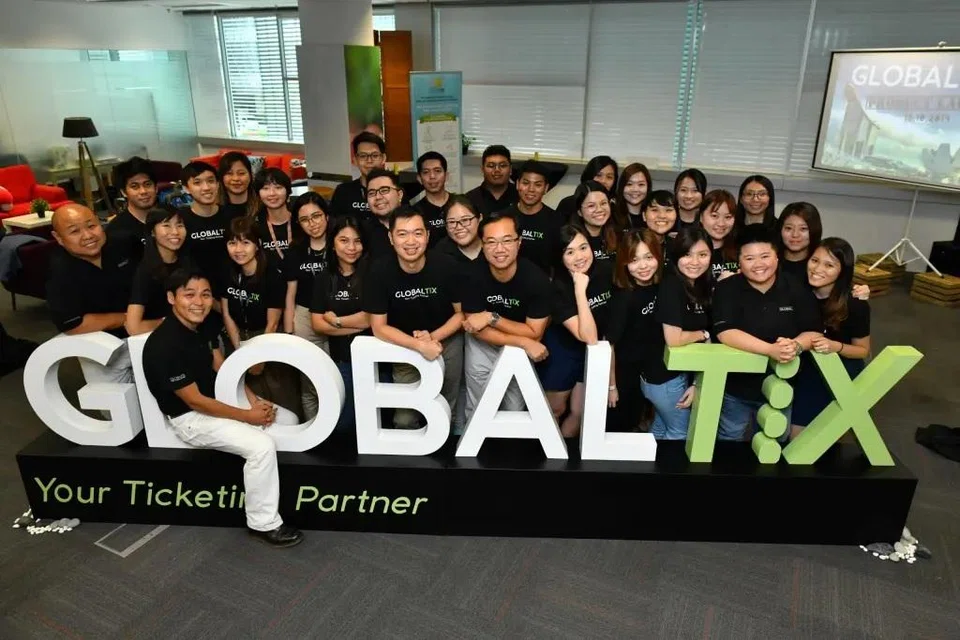
SOAKING in the sunshine of tourism’s post-pandemic revival, online ticketing platform GlobalTix drove its top line up 10.2 per cent to US$76.3 million in its financial year ending March 2025 (FY2025), its latest audited financial statements show.
This comes at a time when big names in hospitality such as Hyatt and Hilton are placing a higher importance on Asia Pacific.
For instance, Hyatt, which handles over 1,450 hotels and resorts globally, plans to open 90 more properties in the region – particularly in markets such as Thailand, Malaysia, and Australia – over the next five years.
For GlobalTix, last year’s growth slowed compared to the year before. Between FY2023 and FY2024, it rose more than 2x.
Cost of sales slightly outpaced revenue in FY2025, rising 11.5 per cent to US$72.1 million.
Growing expenses pushed losses before tax to US$1 million, more than double the prior period.
GlobalTix has not responded to Tech in Asia’s request for comments as of writing.
Volume game
GlobalTix connects attraction operators with small and mid-sized travel agencies, as well as ticketing resellers such as Trip.com and Klook. The company provides tour operators with a cloud-based system for inventory management, pricing, and digital ticket issuance.
In Singapore, GlobalTix partners with attractions such as Mandai Wildlife Reserve and Universal Studios. It also works with experiences such as Calypso Cabaret Bangkok and Taman Safari Indonesia.
Headquartered in Singapore, GlobalTix has a presence in markets such as China, India, Indonesia, South Korea, Thailand, and Vietnam.
Like BeMyGuest, one of its major rival platforms in the region, a majority of GlobalTix’s sales are generated from tickets.
In FY2025, GlobalTix’s channel revenue – the income derived from ticket sales – accounted for 99 per cent of its total revenue. The rest came from software services.
The company processes about 25 million tickets annually and works with more than 12,000 travel agents, according to its website. This is more than double the 12 million tickets the firm said it was selling yearly as at November 2024.
Software revenue is a small but growing pie for GlobalTix. In FY2025, the segment grew 5 per cent to US$740,000.
Higher sticker prices
Expenses also increased in GlobalTix’s latest financial year.
Administrative expenses – which include employee share-based compensation – accounted for the company’s second-largest expense after cost of sales.
Between FY2024 and FY2025, employee share-based compensation rose 3.9x to US$370,000.
Employee salary and bonus expenses also grew 17 per cent to US$2.4 million in FY2025.
In the same financial year, GlobalTix’s net cash used in operating activities swelled over 10x to US$3.9 million.
A major factor that drove this was a spike in trade receivables, which more than doubled to US$8 million. The figure refers to the amount that the company expects to collect from resellers’ ticket sales to customers.
Trade payables – the money GlobalTix owes to attractions – also increased to US$6.2 million.
During FY2025, GlobalTix secured US$4.9 million in fresh capital, bolstering its cash position. B2B-focused VC firm Tin Men Capital led the round, with participation from Orzon Ventures, a fund backed by Thailand’s PTT Oil and Retail Business.
GlobalTix ended the financial year with US$2.3 million in cash and cash equivalents. This would have given the company over six months of runway, assuming it maintained its current level of spending in operations.
Going grand in Thailand
The funding GlobalTix received also went into deepening its presence in Thailand and the wider Asia-Pacific region.
This year, the firm could be well-positioned to benefit from the country’s mission to attract “high-quality” tourists who spend more and take longer trips, after tourist arrivals from markets such as China, South Korea, and Vietnam fell in 2025.
Key to driving this forward is Thailand’s upcoming line-up of initiatives, which includes advertisements featuring K-pop star Lalisa Manobal and its “Trusted Thailand” certification that ensures hotels, restaurants, and attractions meet safety standards.
The country is expected to almost double its tourism revenue to over US$90 billion in 2026.
While GlobalTix has previously focused on digitising tickets, it’s now developing an AI-driven management tool. This allows attractions to implement dynamic pricing during peak periods and help catch travel trends.
Last June, the firm also announced a partnership with eSIM company Firsty, allowing partner travel agencies to bundle their offerings with the latter’s roaming services. TECH IN ASIA