Telemedicine in the pink as Covid-19 gives shot in arm of nascent industry
In Singapore, both incumbents and new entrants are stepping up their game; observers expect eventual consolidation

Sharanya Pillai

Singapore
THE Covid-19 pandemic has prompted a fresh wave of interest in telemedicine apps - with even corporate giants joining startups in ramping up services. While changing doctor and patient mindsets has been a key obstacle in the past, the barriers are gradually falling, industry players told The Business Times.
But it is still early days for the industry, as telemedicine providers experiment with various business models in the current fragmented landscape, observers add.
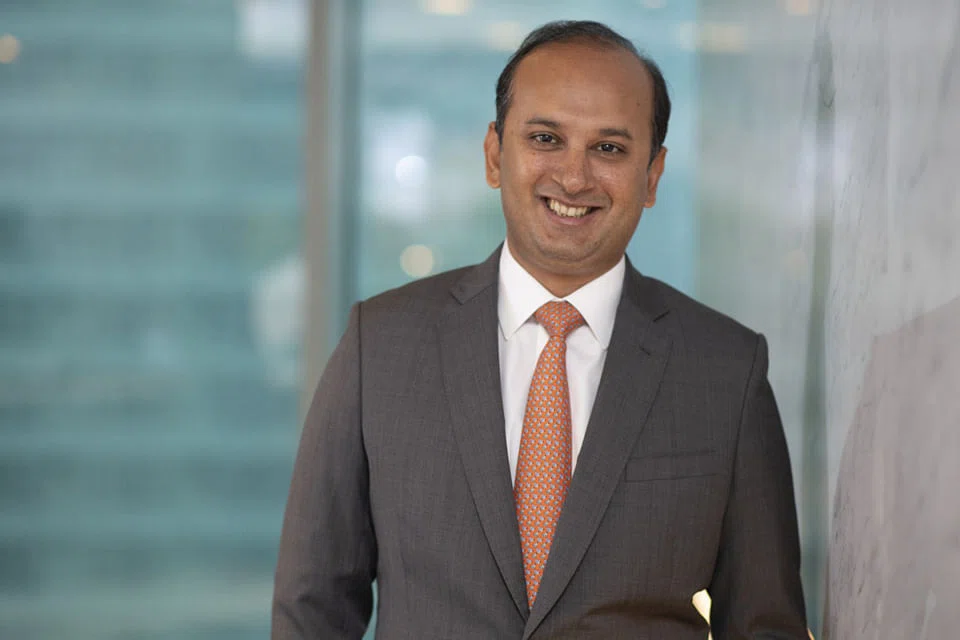
"The Covid-19 pandemic has been a shot in the arm for telemedicine players that have seen a chronic under-adoption by patients, users and physicians in the past," said Abhay Bangi, EY's Asean health and life sciences transactions leader.
Singapore's circuit breaker measures have spurred patients and doctors to try out remote video consultations, sending user activity on telemedicine apps soaring.
For instance, telemedicine startup HiDoc, which is backed by the Singapore Medical Group (SMG), saw the number of consultations on its platform roughly double from January to May, its chief executive Dr Christina Low said.
Another telemedicine provider, WhiteCoat, has seen the number of requests for chronic disease management services increase five times in the first quarter, compared to the same period last year.
"Alongside the necessary knee-jerk adoption comes behavioural change, which we believe will continue post-pandemic. People will regard telemedicine as the first point of medical advice," said WhiteCoat's chief executive Bryan Koh.
Lim Wai Mun, chief executive of telemedicine startup Doctor Anywhere, echoed this optimism.
"For many who believe that they need doctors to assess them physically to provide an accurate diagnosis, the situation has removed their barriers... Telehealth is not deeply ingrained in consumers' behaviour yet, but the current health crisis is a catalyst," he said.
Raffles Medical Group (RMG), which provides telemedicine services on its Raffles Connect app, attests to a similar behavioural change, with teleconsultations doubling since the outbreak.
"More patients have begun to accept teleconsultation as a new, convenient way of accessing healthcare. We have scaled up our resources, such as the number of doctors handling teleconsultations to support the surge... (and) also launched new services such as repeat medication delivery," said Roy Wee, deputy director of digital transformation at RMG.
Several new players have also joined in the excitement. IHH Healthcare, which in March invested in Doctor Anywhere, launched telemedicine services in May.
On-demand caregiver startup Homage has similarly introduced new teleconsultation service to complement its in-person service, especially for immobile patients.
"The elderly are a more vulnerable group where mobility constraints and medical ailments often lead to them being homebound. For seniors living alone, we learnt that their needs can be best met through a range of both in-person as well as digital health services," said Homage's chief executive Gillian Tee.
There is even interest from outside of the healthcare space. For instance, on June 23, OCBC Bank launched an app, HealthPass by OCBC, that provides access to over 100 general practitioners and specialists, in partnership with healthcare incumbents such as SMG, Thomson Medical and OneCare Medical Group.
It is not just patients who have become more receptive to telemedicine. Crucially, more doctors are also becoming open to testing the technology, said Dr Vas Metupalle, co-founder and chief information officer of telemedicine service MyDoc.
"There were a lot of concerns (previously) over how to evaluate someone remotely. Some doctors were busy in their clinics and didn't have the time to test it out. Now that the clinics are not that busy, there's more time for them to learn and get comfortable with telemedicine," he said.
The pandemic has also highlighted fresh use cases for telemedicine, such as in treating migrant workers with limited access to physical clinics, Dr Vas noted.
He pointed out how the Ministry of Health has worked with the telemedicine providers in its regulatory sandbox, including MyDoc, to make remote consultations available for workers in dormitories.
"It helps with the load for smaller dormitories, where it's hard to place doctors," Dr Vas said. For instance, MyDoc has been able to serve as a first touchpoint for migrant workers down with symptoms of dengue fever in the past few weeks, as cases rose islandwide.
There is a compelling case to use telemedicine for niche communities such as migrant workers and the marine community, said Zubin Daruwalla, health industries leader at PwC Singapore. And there are even more use cases still under-explored.
"Another area of significant concern where telehealth is playing a big part is in the area of mental health which has traditionally been severely under-emphasised and continues to have social stigma attached to it," Mr Daruwalla said.
That said, telemedicine is still a nascent field in Singapore, with the Ministry of Health only having launched the regulatory sandbox in 2018. There are currently nine telemedicine providers in the sandbox, of which the bulk are startups.
Many of these players are still in the early stages of experimenting with various business models. For instance, WhiteCoat has taken on theapproach of employing full-time doctors, but other players like MyDoc prefer to be more of a platform player, whereby doctors are not tied to the platform.
There is also still siginificant experimentation among players when it comes to the structuring of the service. Some players engage with patients and doctors directly, others like MyDoc instead work more closely with corporations and insurers.
It is still hard to tell which will be the best business model going forward, but one of the key challenges will be on the regulatory front, said Patrick Yeo, Singapore venture hub leader at PwC.
"Key challenges will include expansion of subsidy schemes, acceptance of e-Medical Certificates by employers, insurance coverage to cover telemedicine as well as the proper safeguard of patients' data," he said.
Compliance costs may go up as a result, which will stress-test telemedicine players' business models.
"This will have an impact on the financials and economics of the telemedicine platforms and their cash burn rates will increase as they diversify in their service and offerings," said Mr Bangi of EY.
Still, his prognosis for the industry is optimistic, going by the telemedicine boom that China has seen.
"In the future, we will see fewer but significantly larger players dominate as they become digital health ecosystem players, connecting different participants in the ecosystem and offering an integrated platform, such as those seen in China, solving for pain points along the entire patient journey, rather than just being a point to point solution provider," said Mr Bangi.