

UK backs Britishvolt battery plant, enabling £1.7b in private funding
 Add BT as a preferred source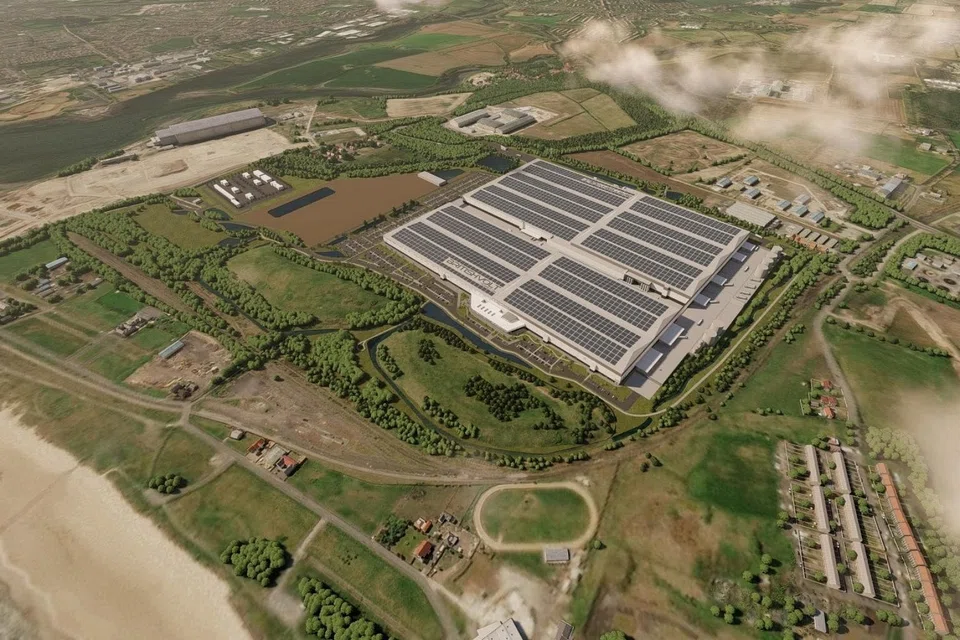
DeeperDive is a beta AI feature. Refer to full articles for the facts.
[LONDON] Electric vehicle (EV) battery startup Britishvolt has secured UK government backing for a battery plant in northern England, enabling £1.7 billion (S$3.1 billion) in private funding and boosting national efforts to build zero-emission cars.
Logistics real estate investor Tritax and investment firm abrdn will provide the private funding for a 30 gigawatt-hour (GWh) plant in Blyth, Britishvolt said on Friday (Jan 21).
The government will deliver its finances through its Automotive Transformation Fund. Neither Britishvolt nor the government divulged the amount of state funding, but a source with knowledge of the matter, declining to be named, said it was believed to be around £100 million.
"This new battery factory will boost the production of electric vehicles in the UK," British Prime Minister Boris Johnson said in a statement, adding it would bring highly-skilled jobs to the industrial north.
Johnson's government has proposed an effective ban on fossil-fuel cars as of 2030 and has promised to be at the vanguard of the global shift to EVs.
But its ambitious goals have yet to draw sufficient investment and the country is lagging mainland Europe and Asia in its build up of EV infrastructure and supply chains.
Navigate Asia in
a new global order
Get the insights delivered to your inbox.
Fully-electric cars accounted for 11.6 per cent of UK sales in 2021 - more than the cumulative sales for 2016 to 2020 - and made up roughly a quarter of sales in December.
The stakes are high for Brexit Britain.
To keep selling into the 27-nation European Union without tariffs, Britain's car industry, which employs 170,000 people, must ensure EVs and the batteries that power them meet stringent rules of origin - with up to 70 per cent of input in value terms coming from Britain or inside the EU.
Benchmark Mineral Intelligence (BMI) has forecast that Britain needs at least 175 GWh of battery cell capacity by 2035 to supply around 3 million fully-electric vehicles.
Aside from Britishvolt's 30 GWh plant, Japanese carmaker Nissan plans a 9 GWh plant in Sunderland.
Britishvolt has begun advanced work on its planned £3.8 billion battery plant in Blyth and aims to start production in 2023.
"This announcement is a major step in putting the UK at the forefront of the global energy transition," Britishvolt executive chairman Peter Rolton said in a statement.
A spokesperson said Britishvolt plans further fundraising as it continues with plans for an eventual public listing.
Its Blyth plant will be built in 3 phases and will reach peak production as a 30 GWh plant capable of producing battery packs for over 300,000 vehicles in 2027.
The startup says at full capacity the plant will directly employ around 3,000 people.
Britishvolt said it will make further announcements on customers and relationships with UK sports car brands over the coming weeks.
REUTERS
Decoding Asia newsletter: your guide to navigating Asia in a new global order. Sign up here to get Decoding Asia newsletter. Delivered to your inbox. Free.
Share with us your feedback on BT's products and services
TRENDING NOW

Singaporeans can now buy record amount of yen per Singdollar

Beijing’s calculated silence on the Iran war

China pips the US if Asean is forced to choose, but analysts warn against reading it like a sports result

StarHub hands Ensign InfoSecurity control back to Temasek in S$115 million deal, books S$200 million gain

