

‘We didn’t try to be God’: Why Ant ditched its S-E Asia dream to help rivals cross borders

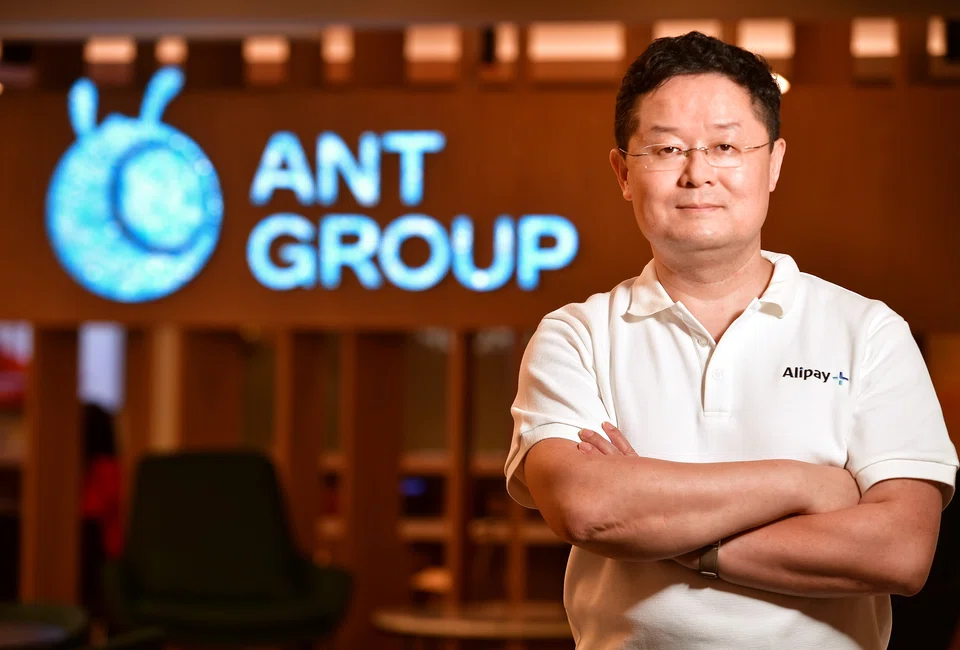
ANT Group’s vision when it first eyed South-east Asia took quite a different form. Giddy from the success in its homeground of China, the Alibaba affiliate was ready to take its fintech super app strategy to the next most-promising market and build a unified e-wallet for the region.
Reality hit quickly. Ant set foot in Singapore in 2013 and began persuading merchants to accept its e-wallet Alipay, but none were convinced.
QR code payment technology was alien to them. “Merchants had a lot of concerns — ‘Is the QR code really safe? If I scan it, will my phone get some kind of virus?’” Jia Hang, Ant’s regional general manager for South-east Asia, told The Business Times in an interview.
Ant’s struggle with changing mindsets and consumer behaviour was to be the first of many challenges. It dreamt of building an e-wallet people could use anywhere in South-east Asia, whether it was paying for a taxi in Singapore, or buying nasi goreng in Indonesia.
It had cooked up the perfect 3-step recipe in China – create easy-to-use payment capabilities for online and offline merchants, overlay it with lifestyle offerings such as bill payments or ticket bookings, then complete the product with financial services.
What Ant failed to anticipate was that unlike China, South-east Asia was not homogeneous. Payments had to be localised to each market, and each regulator had their own requirements for fintech. And with such a low barrier to entry, the market was getting more saturated over the years with new players.
Instead of building from scratch, Ant decided to acquire stakes in local companies in the same space. Its e-wallet investments include Thailand’s TrueMoney, the Philippines’ GCash, Indonesia’s DANA, Malaysia’s Touch ‘n Go and reportedly Vietnam’s eMonkey. (see amendment note)
The group began creating the infrastructure to help local payment providers like TrueMoney be accepted in other countries. At end-2020, it launched Alipay+ for cross-border mobile payments and marketing services.
In the meantime, the e-wallets it invested in have become some of the top wallets in their respective markets.
“I think that proves we took the right strategy,” said Jia. “We didn’t try to be God, to say we can unify the wallet to cover the whole of South-east Asia. We knew from the regulator or government side that it’s not a workable way.”
Authorities have been taking a harder stance on anti-money laundering for cross-border money movements. And with the increased focus on data sovereignty – especially with Chinese players like Ant in the picture – the amount of ring-fencing needed for each market would lead to fragmentation instead of a truly unified e-wallet, said Jia.
Ant says Alipay+ serves over 1 billion consumers in Asia through payment providers it has connected with, although those are registered users and not active ones. It also claims to cover more than a million offline merchants across major European and Asian markets, in the key industries of tourism, food and beverage, hospitality and retail.
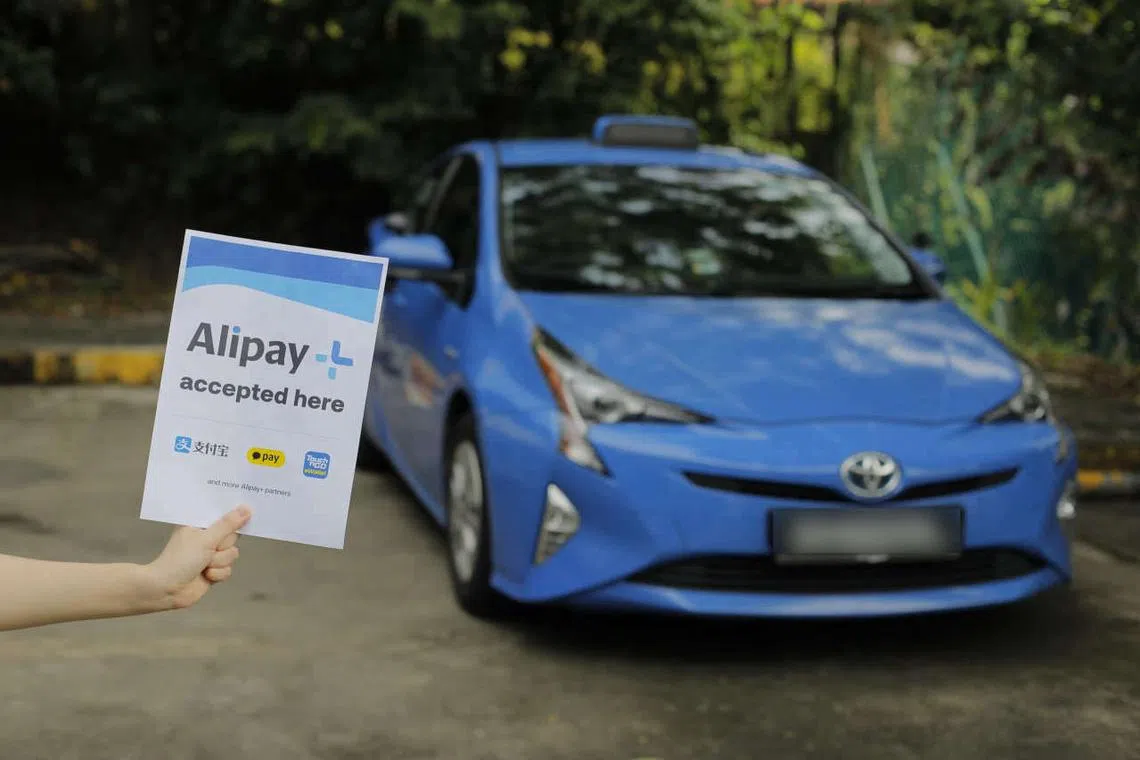
In June, Alipay+ partnered Singapore’s ComfortDelGro to enable the acceptance of mobile payments from Malaysia and South Korea on board its taxis.
Besides e-wallets, Ant is in talks with banks that have their own payments service, and “buy now, pay later” companies that provide users with consumer credit lines. Both issuers (digital payments partners like wallets) and acquirers will incur a fee based on every successful transaction.
Ant has also launched services that allow companies to build “mini programs” which resemble an app within an app. Users can go through a variety of content without ever having to leave the main app.
Jia, a former UnionPay executive who joined Ant in 2015, said South-east Asia is the most important market for Ant outside of China. Before he was appointed to the newly created regional role in March, Jia led several internationalisation efforts for Ant and was involved in important strategic partnerships, such as one with India’s Paytm.
“For many of the ideas, products and technology, we need to prove that they can be successful outside of China,” said Jia, who spoke to BT from Ant’s Singapore headquarters, which has grown to house nearly 300 employees.
“If we can prove that, we can really become a part of the South-east Asia ecosystem. Then we gain the confidence that we can have more business development in Europe or other big regions.”
Ant’s expansion hit a major roadblock in November 2020 when Chinese regulators stunned the market by pulling the plug on the group’s record-setting US$35 billion initial public offering.
The company has struggled to recover since then, but some investors are hopeful the group is beginning to emerge from a regulatory overhaul. Ant has been required to comply with a list of demands including curbing consumer lending and restructuring the company and its management.
Alibaba co-founder Jack Ma plans to cede control of Ant, the Wall Street Journal reported on Jul 28. Ma owns a 10 per cent stake but has control of the company through related entities.
In South-east Asia, all eyes are on Ant’s digital banking ambitions as its next growth driver. In June, Ant launched ANEXT Bank in Singapore to focus on serving regional micro, small and medium enterprises, especially those with cross-border operations.
ANEXT is the first bank in Singapore to offer remote virtual onboarding for business owners who are based overseas but have registered businesses in the city-state. The bank will tap Lazada’s large ecosystem of e-commerce merchants and work with other companies highly involved in trade.
Jia doesn’t think Ant will apply for other digital bank licences in the region. It stayed out of the race in Malaysia shortly after being awarded the much-coveted licence in Singapore.
“We do need some time to prove that ANEXT is going to be a successful model. That’s even more important for us,” said Jia.
Amendment note: An earlier version of this story stated that Ant invested in Wave Money. While Ant did announce it will invest in Wave Money, the deal fell through. The article has been updated.
TRENDING NOW
From AI financing to Indonesia outlook: 4 takeaways from Singapore banks’ Q3 results

VinFast, Mitsubishi weigh Philippine EV production as state incentives near

Analysts cut DBS target price on lower 2027 earnings, but see buying opportunity after share price slide

Could Japan trigger the next global financial crisis?

